








From First Stamp to Frequent Flyer
For years, the formula was simple and effective. Singapore successfully positioned itself as the ideal entry point to international travel for Indians. With its pristine streets, family-friendly attractions like Sentosa Island and the Singapore Zoo, and a reassuringly
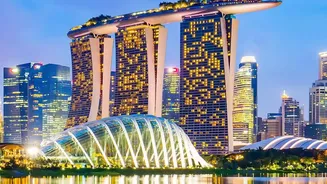
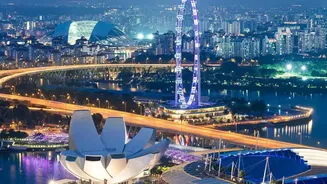
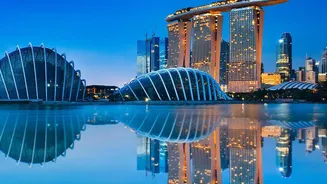
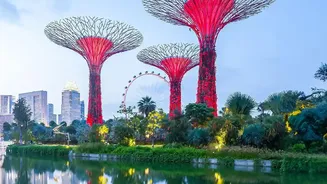
familiar cultural pocket in Little India, it became a travel rite of passage. The numbers reflect this success, with India consistently ranking among the top five sources of international visitors. In the first half of 2026 alone, Singapore welcomed over 600,000 visitors from India. However, markets mature, and the very success of this strategy has created a new challenge: how do you convince someone who has already seen the Merlion and Gardens by the Bay to come back for more?
The Logic Behind the Strategic Shift
The Singapore Tourism Board (STB) is now focusing on what it calls "quality visitation." This isn't just about increasing visitor numbers, but about encouraging longer stays and higher spending. Tourism receipts from the Indian market grew 8% year-on-year to S$374 million in the first quarter of 2026, the highest growth among all its source markets. This data points to a growing appetite for more than just a quick tour of the highlights. Repeat visitors and niche travelers tend to spend more on dining, shopping, and unique experiences than first-timers who are often on tighter, pre-packaged itineraries. By focusing on repeat travel, Singapore aims to unlock deeper, more sustainable economic value from its crucial Indian market.
Cultivating the Repeat Visitor
To lure travelers back, Singapore is refreshing its offerings and promoting experiences beyond the standard circuit. The strategy involves showcasing new and revamped attractions like the Singapore Oceanarium, Rainforest Wild Adventure at the Mandai Wildlife Reserve, and a calendar packed with lifestyle and entertainment events. The STB is running targeted campaigns with major travel partners like MakeMyTrip to promote holiday packages of four nights or more, directly encouraging longer stays. There's also a concerted effort to engage younger travelers, with global campaigns like "We Don't Wait For Fun" highlighting Singapore's vibrant nightlife, music scene, and food culture to appeal to Millennials and Gen Z.
Beyond Leisure: The High-Value Segments
A significant part of the new strategy is the focus on high-yield niches like MICE (Meetings, Incentives, Conferences, and Exhibitions) and destination weddings. MICE visitors typically generate higher spending than leisure travelers. Singapore has already seen major corporate groups from Indian companies like Sun Pharma, Google India, and ICICI Lombard. Similarly, the country is re-introducing itself as a prime destination for large-scale Indian weddings, leveraging its excellent connectivity, organizational efficiency, and unique venues like Gardens by the Bay to attract wedding parties from India and the global diaspora. Cruise tourism is another pillar, with new itineraries aimed at attracting multi-generational family groups for milestone celebrations.
A Deeper, More Curated Connection
This strategic evolution is also about changing the narrative. The STB is increasingly working with digital influencers and content creators to showcase a different side of Singapore—one that is constantly evolving. Instead of one-off campaigns, an 'always-on' digital model aims to keep the destination fresh in the minds of discerning Indian travelers. The message is clear: Singapore is not a one-and-done destination. The goal is to move beyond being just a 'stopover city' or a 'first foreign trip' and to establish a lasting relationship, encouraging Indians to explore its neighborhoods, dive into its culinary scene, and return for its world-class events time and time again.