



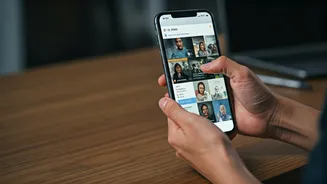



What is Creator-Led Learning?
At its core, creator-led learning is a new model of education where independent experts, artists, and influencers design and teach courses directly to their audience. [8, 17] This trend sits at the intersection of the booming creator economy—projected
to be worth nearly $2.7 trillion by 2034—and a growing demand for practical, niche skills. [13] Unlike massive open online courses (MOOCs) that often feel anonymous, these programs are built on the foundation of a creator's unique brand, expertise, and authenticity. [12] Learners aren't just signing up for a topic; they're enrolling with a trusted voice they already follow and respect, creating a more personal and engaging experience from day one. [12, 21, 22]
From Passive Audience to Active Community
The biggest shift in this model is the move from a passive audience to an active community. A social media following is not a community. [16] Real communities are curated spaces where members feel safe, share common interests, and are committed to active dialogue. [9, 16] Creators are realizing that their most valuable asset isn't just the content they produce, but the connections they can foster among their followers. By creating structured learning environments, they provide a shared purpose that transforms a scattered audience into a tight-knit group. [9] This turns learning from a solitary activity into a shared journey, combating the isolation often felt in traditional self-paced online courses. [2, 5]
The New Classroom: Cohort-Based Courses
The engine driving these communities is often the cohort-based learning model. [3] In this structure, a group of students progresses through the material together, with shared deadlines, live sessions, and collaborative projects. [1, 4] This approach has a stunning impact on results, with cohort-based programs boasting completion rates as high as 90%, compared to the dismal 3-15% for typical self-paced courses. [2] The structure provides accountability, as students don't want to fall behind their peers. [1, 5] More importantly, it fosters collaboration, constant feedback, and diverse perspectives, as learners interact not just with the instructor but with each other in discussion forums, group chats, and live video calls. [1, 3]
A Win-Win for Creators and Learners
This model presents a powerful value proposition for everyone involved. For learners, the benefits are clear: they gain accountability, support, and a valuable professional network. [1, 5] The environment encourages critical thinking and deeper understanding through peer-to-peer discussion. [3] For creators, it's a sustainable business model that moves beyond ad revenue and sponsorships. [12] Platforms like Kajabi, Teachable, and Mighty Networks provide the tools to build, market, and manage these educational businesses. [6, 10, 15] This creates a direct relationship with their audience, allowing them to receive feedback and develop more valuable products, fostering loyalty and long-term engagement. [12, 16]
The Future of Digital Tribes
As the creator economy matures, its impact on education is set to grow. [11] We are seeing a fundamental shift where learning is becoming more about connection and applied knowledge than simply information transfer. [9] Traditional institutions are even taking notice, with universities beginning to offer programs on becoming a creator. [14] This trend signals a future where education is more decentralized, personalized, and community-driven. The strongest creators will not be those with the largest followings, but those who can successfully gather a dedicated group of learners around a shared goal, building a digital tribe that learns and grows together.