






The Anatomy of Suffering
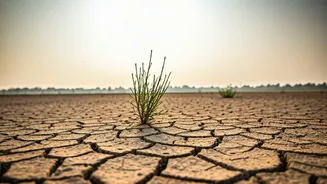
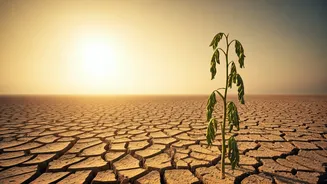
To say it is hot in Delhi is an understatement. The city is currently caught in the grip of a brutal pre-monsoon heatwave, a period of intense discomfort that tests the endurance of its millions of residents. On paper, the temperature is around 41 degrees
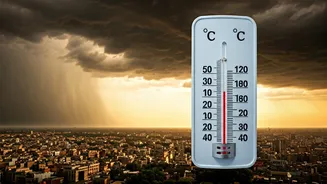
Celsius, a formidable number on its own. [2] But the real story is told by the humidity, which has hovered between 45% and 63%. [12] This combination of heat and moisture has sent the heat index—what the temperature actually 'feels like'—soaring past 51°C in recent days, the highest this season. [11, 12] This isn't just a number; it's a physical burden. The air becomes a soupy, oppressive blanket that makes breathing feel like a chore and being outdoors a genuine health risk. The nights offer little relief, with minimum temperatures stubbornly staying above 30°C, the warmest in two years. [15]
Why This Heat Feels Different
This oppressive feeling is a direct result of the interaction between two distinct air masses. According to meteorologists, dry and hot westerly winds blowing from Pakistan are colliding with moisture-laden southwesterly winds from the Arabian Sea directly over the capital. [5] This meteorological clash creates clouds, but not enough consolidated moisture to produce widespread, cooling rain. [16] Instead, it traps heat and humidity at ground level. The result is a dangerously high wet-bulb temperature, a measure of heat and humidity that indicates the human body's ability to cool itself through sweating. [14] With wet-bulb temperatures recently touching nearly 30°C, the body's natural cooling mechanism becomes severely compromised, making heat exhaustion and heatstroke a significant threat. [12, 14]
A Delayed Deliverance
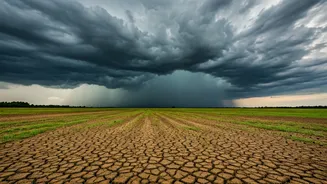
Relief, in the form of the annual southwest monsoon, is coming, but it's running late. The normal date for the monsoon's arrival in Delhi is around June 27. [8] However, this year, the advance has been sluggish. The India Meteorological Department (IMD) and other forecasters now expect the monsoon to reach the capital and surrounding regions in the first week of July, possibly around July 4. [5, 13] The delay has extended the period of intense pre-monsoon heat, leaving the city in a state of prolonged anticipation. The IMD has indicated that conditions are now becoming favourable for the monsoon to advance across northern India over the next several days, a piece of news the entire region is desperately waiting for. [16, 23]
A City Holding Its Breath
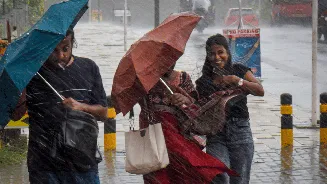
In the meantime, Delhi is a city adapting to survive. The streets are noticeably emptier during the afternoon, with those who can afford it seeking refuge in air-conditioned homes and offices. Commuters are advised to use the Metro to avoid the worst of the heat. [22] For those who must work outdoors—construction workers, delivery partners, and street vendors—the days are perilous. The government's heat action plan calls for measures like halting work during peak hours and providing cooling centres, but the reality on the ground can be challenging. [9] Conversations are dominated by the weather: the sweat, the broken sleep, and the collective, desperate watch for the first dark clouds that promise not just a storm, but a city-wide sigh of relief.