


A Taste of History: The Parsi Club Kitchen
Parsi cuisine is a unique tapestry woven from Persian roots and Indian influences, particularly from Gujarat. When Zoroastrians migrated from Persia to India centuries ago, they brought their culinary traditions, which then blended with local ingredients
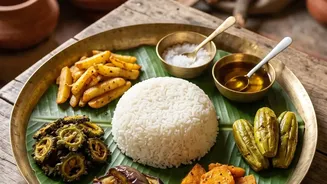
and techniques. This fusion gave birth to a cuisine known for its delicate balance of sweet, sour, and spicy flavours. At the heart of its preservation are the iconic clubs of cities like Mumbai. These institutions, originally modelled after British gentlemen's clubs, became social and cultural hubs for the community. Within their kitchens, generations of cooks have meticulously maintained recipes, serving as guardians of authenticity. The food served is a genre in itself, a mix of Anglo-Indian favourites and pure Parsi classics, creating a menu that feels both nostalgic and timeless.
The Star of the Show: Kathal
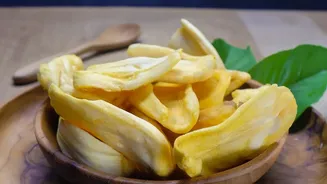
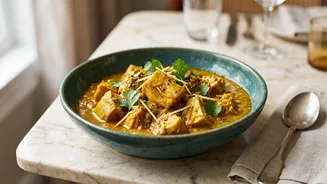
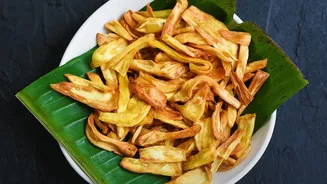
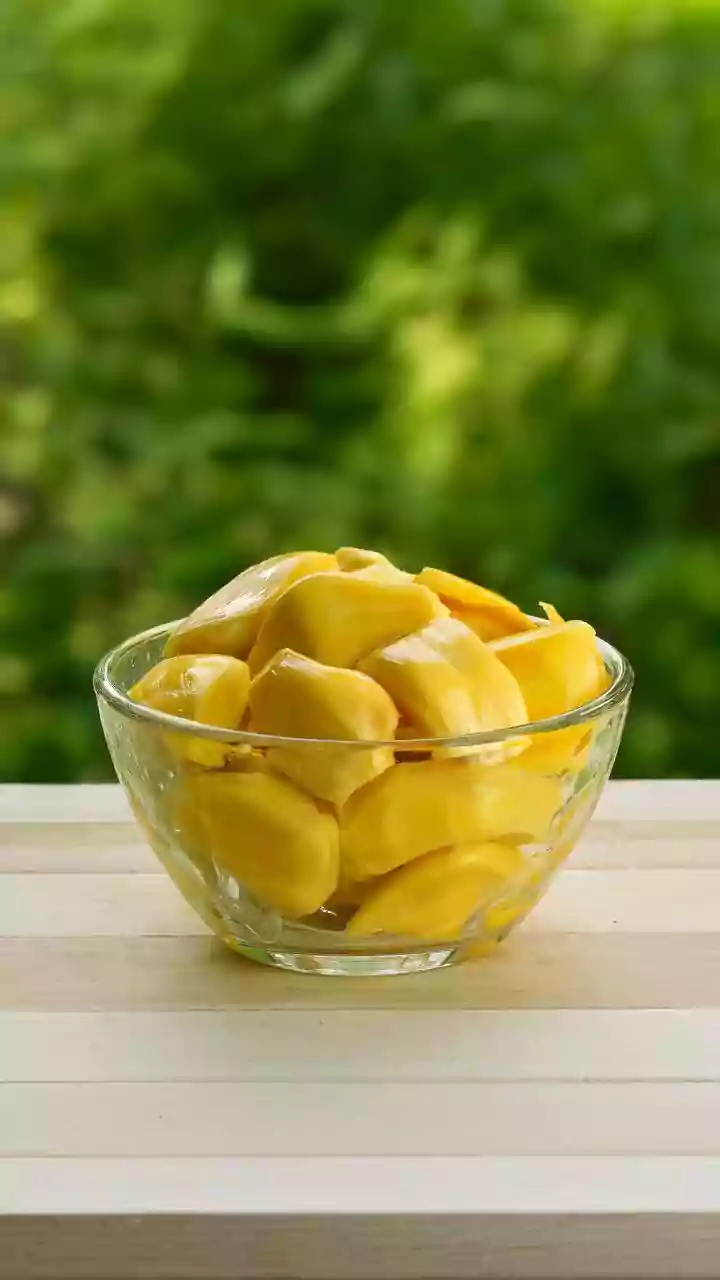
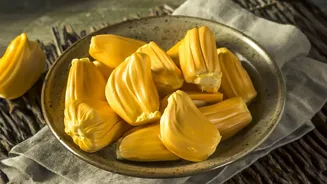
Enter Kathal, the unripe jackfruit. While now globally trendy as a 'meat substitute', Kathal has been a staple in Indian cooking for generations, especially during the spring and summer months. Its fibrous, meaty texture makes it an exceptional canvas for spices, allowing it to absorb flavours beautifully in slow-cooked curries and dry preparations. In Parsi cooking, which traditionally features a lot of meat, Kathal holds a special place as a celebrated vegetarian dish. It is often prepared with such richness and complexity that it's lovingly referred to as 'vegetarian mutton'. A Parsi Kathal curry is a masterful blend of aromatics, often featuring a base of caramelised onions, ginger, garlic, and a signature mix of whole and ground spices, balanced with the tang of curd or tomatoes.
Anatomy of a Classic Parsi Kathal
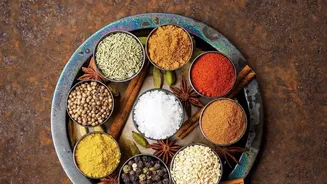
While recipes vary, the soul of a Parsi-style Kathal lies in its technique. The process often begins with preparing the jackfruit. Many traditional cooks will advise applying oil to your hands and knife before cutting the raw fruit to avoid its sticky sap. The jackfruit pieces are frequently fried or par-boiled before being added to the gravy. This crucial step ensures the Kathal becomes tender while retaining a satisfying bite, preventing it from turning mushy. The flavour foundation is a rich masala. Whole spices like cinnamon, cloves, and cardamom are sizzled in oil or ghee to release their aroma. This is followed by finely chopped onions, which are patiently sautéed until golden brown, providing a deep, sweet base. A paste of ginger, garlic, and green chillies adds pungency, while powdered spices like turmeric, coriander, and chilli powder build layers of flavour. Finally, beaten curd or puréed tomatoes are added to create a luscious, tangy gravy that coats every piece of the jackfruit.
Tips for the Modern Home Cook
Bringing this classic dish into your kitchen is easier than it sounds. If fresh, raw jackfruit seems intimidating, don't worry—canned young green jackfruit in brine is a fantastic and convenient alternative; just be sure to rinse it well before use. To achieve that signature Parsi 'khatta-mitha' (sweet and sour) taste, don't shy away from a touch of jaggery or sugar to balance the acidity of the tomatoes or curd. The key to a great curry is patience. Allow the onions to caramelise properly and let the gravy simmer on low heat for at least 15-20 minutes. This allows the jackfruit to fully absorb the flavours of the masala, resulting in a dish that is deeply aromatic and satisfying. Garnish with fresh coriander before serving with hot rotis or steamed rice.
Why Club Recipes Still Resonate
In an age of fleeting food trends, the enduring appeal of traditional club recipes is powerful. These dishes offer more than just flavour; they provide comfort, consistency, and a connection to the past. In a world of culinary experimentation, there is a growing appreciation for authenticity and the stories behind our food. Club recipes like Parsi Kathal are living history. They represent a culinary heritage that has been passed down with care, resisting the urge to modernize for the sake of novelty. Eating a dish that has been perfected over decades feels like participating in a tradition, offering a taste of nostalgia even for those who have never experienced it before. They remind us that some of the most interesting flavours are not new inventions, but timeless classics waiting to be rediscovered.