





The Spirit of Sattvic Eating
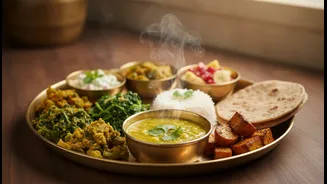
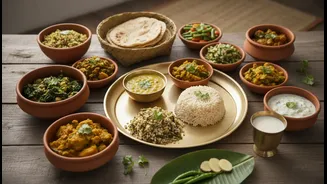
Shravan coincides with the monsoon, a time when Ayurveda advises a diet that is easy to digest. Many people observe fasts, particularly on Mondays (Somvar), and adopt a sattvic diet. This means avoiding non-vegetarian food, onions, and garlic, and focusing
on pure, wholesome ingredients that provide energy without being heavy. The core idea is to consume foods that promote clarity and physical well-being. This dietary shift is seen as a way to detoxify the body, flush out toxins, and feel refreshed during the rainy season.
Embracing Vrat-Friendly Grains
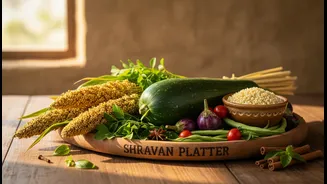
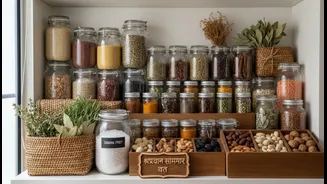
While regular grains like wheat are often avoided, Shravan opens up a world of nutritious alternatives. Flours made from buckwheat (kuttu), water chestnut (singhara), and amaranth (rajgira) become kitchen staples. These are not only gluten-free but also rich in protein and fibre, providing sustained energy. Another favourite is barnyard millet (samak rice), which can be used to make pulao or kheer. Sabudana (tapioca pearls) is perhaps the most iconic fasting food, perfect for making khichdi, vadas, or a sweet kheer, offering a quick source of carbohydrates for energy.
The Bounty of Monsoon Vegetables
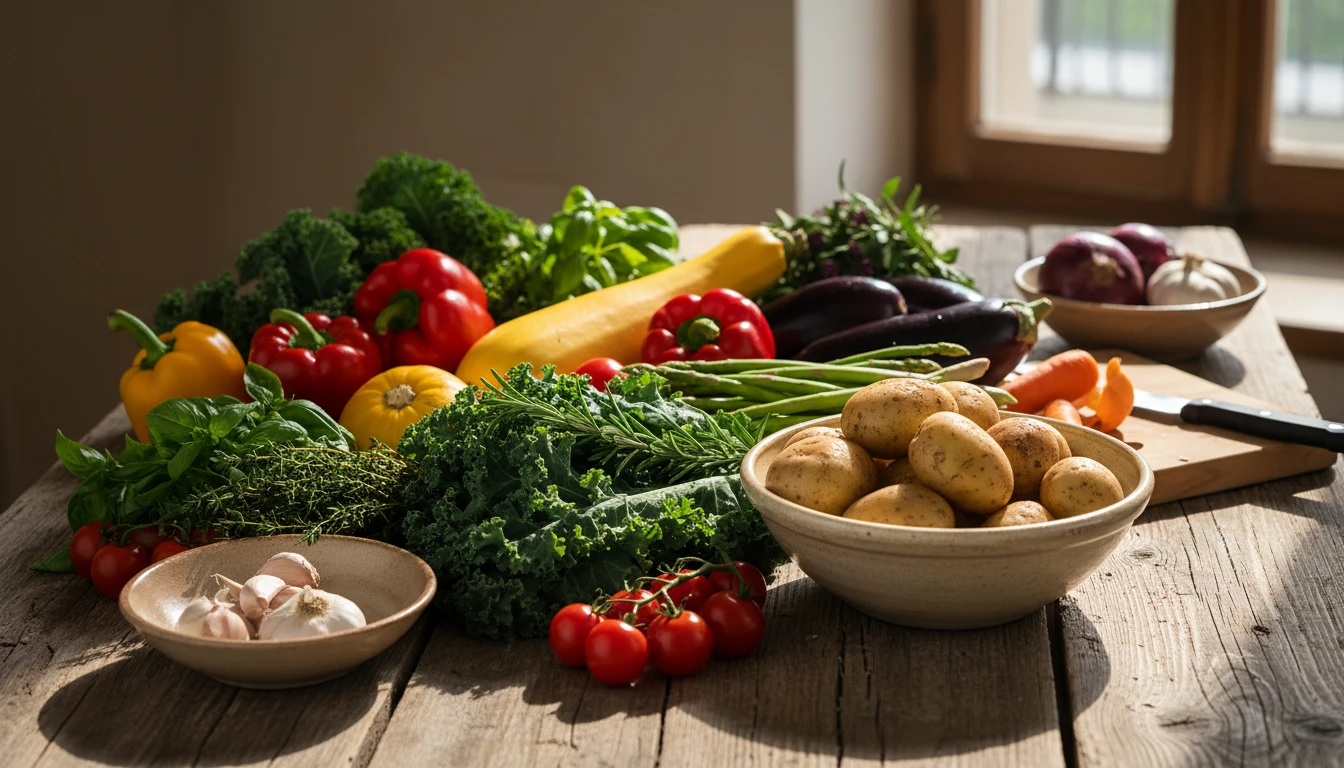
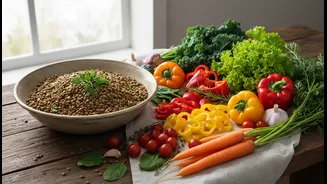
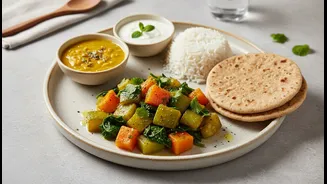
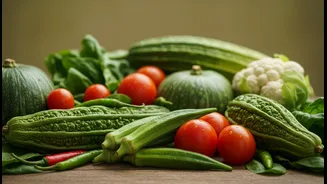
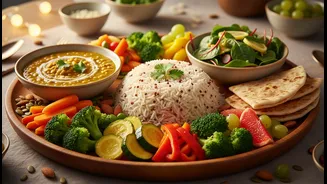
The monsoon brings a variety of vegetables that are perfect for a Shravan plate. Gourds like lauki (bottle gourd) and pumpkin are preferred for being hydrating and easy on the stomach. Root vegetables such as potatoes, sweet potatoes, and arbi (colocasia) provide essential energy and can be prepared in numerous simple ways, from straightforward curries to roasted snacks. While some leafy greens are avoided due to the higher risk of contamination during the rains, vegetables that grow on vines are celebrated. These are typically cooked with simple spices like cumin, green chillies, and black pepper, using sendha namak (rock salt) instead of regular table salt.
The Role of Dairy and Healthy Fats
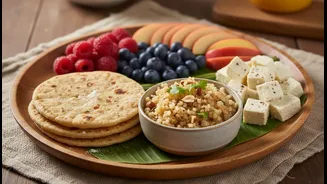
Dairy products play a crucial role in the Shravan diet, ensuring it remains balanced and nourishing. Milk, curd (dahi), paneer, and buttermilk are widely consumed, providing high-quality protein and probiotics. These ingredients keep you feeling full and support gut health. Healthy fats from nuts and seeds are also important for sustained energy. A handful of almonds, walnuts, or roasted peanuts makes for a perfect snack. Fox nuts (makhana), which are low in calories but high in protein, can be roasted for a crunchy snack or used to make a creamy kheer.
Sweetness and Hydration from Fruits
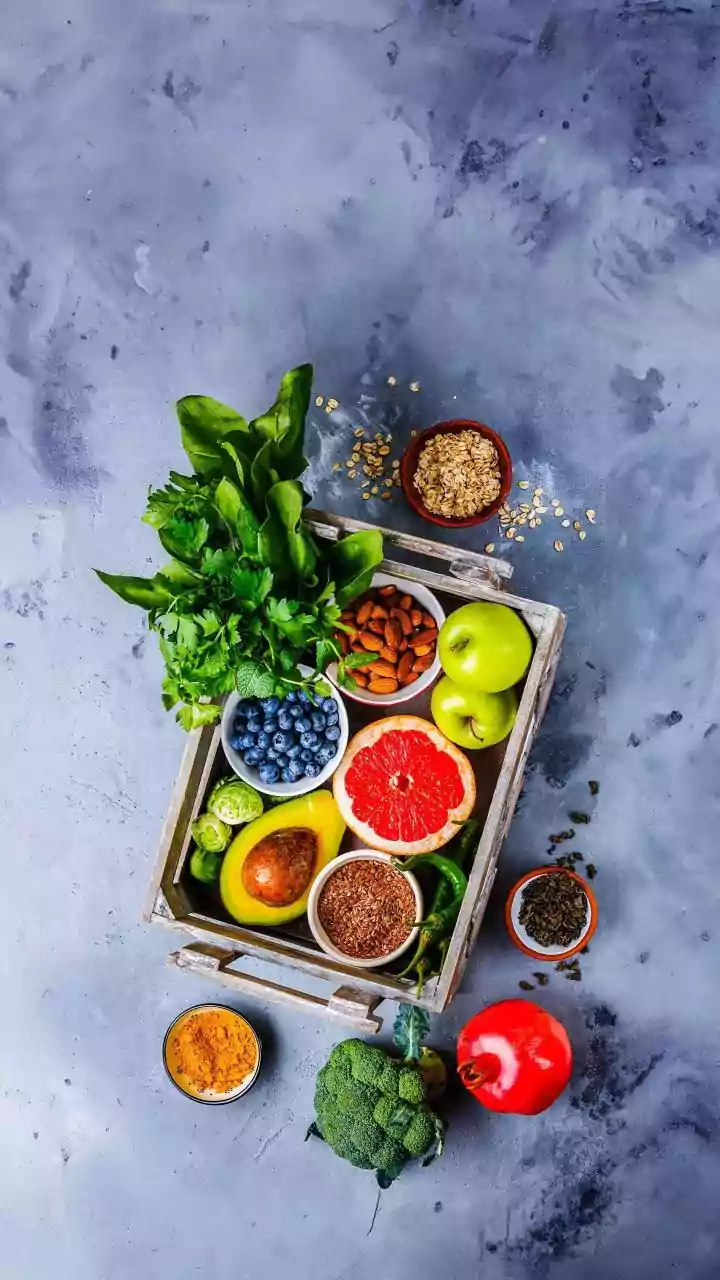
Fresh seasonal fruits are a cornerstone of the Shravan diet, offering natural sweetness, vitamins, and hydration. Bananas, apples, papayas, and pomegranates are excellent choices, packed with fibre and antioxidants that keep you feeling fresh. Many people combine fruits with milk or yogurt to create fulfilling mini-meals. Dry fruits like raisins and dates also provide a quick energy boost. Staying hydrated is key, and apart from water, coconut water and fruit juices are great options to maintain balance and energy throughout the day.