
Why the Sudden Buzz About Protein?
The conversation around protein isn't just for bodybuilders anymore; it's become a public health priority. Experts and national surveys point to a widespread protein gap in Indian diets, which are often rich in carbohydrates but lacking in this crucial
building block. For children, this is especially critical. Protein is essential for physical growth, muscle and tissue repair, brain development, and a strong immune system. Deficiencies can lead to fatigue, poor concentration, and slowed growth. Initiatives like the National Nutrition Mission (POSHAN Abhiyaan) are working to address malnutrition by emphasizing a more balanced diet, moving beyond just calories to focus on nutrient quality. This national-level focus is a cue for parents to look closer at their child's plate and ensure it’s providing the foundation for healthy development.
Beyond Daal: The Importance of Protein Variety
When we think of protein in an Indian vegetarian diet, daal is often the first thing that comes to mind. While lentils are fantastic, relying on a single source isn't enough. The real secret to balanced nutrition lies in variety. Different protein sources offer different amino acid profiles and nutrients. Nutritionists recommend rotating through a wide array of options. For vegetarians, this means incorporating various lentils and pulses (moong, masoor, chana, rajma), dairy products like paneer and curd, and soy products like tofu. Nuts and seeds are another powerhouse, providing both protein and healthy fats essential for brain function. For non-vegetarian families, eggs, chicken, and fish are efficient sources. Combining different types, like daal with rice or roti with chana, actually improves the protein quality, making it more complete and easier for the body to use.
The Power of a Diverse Plate
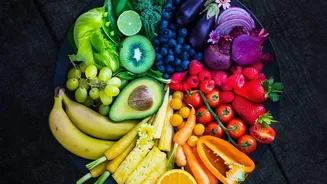
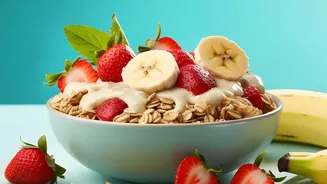
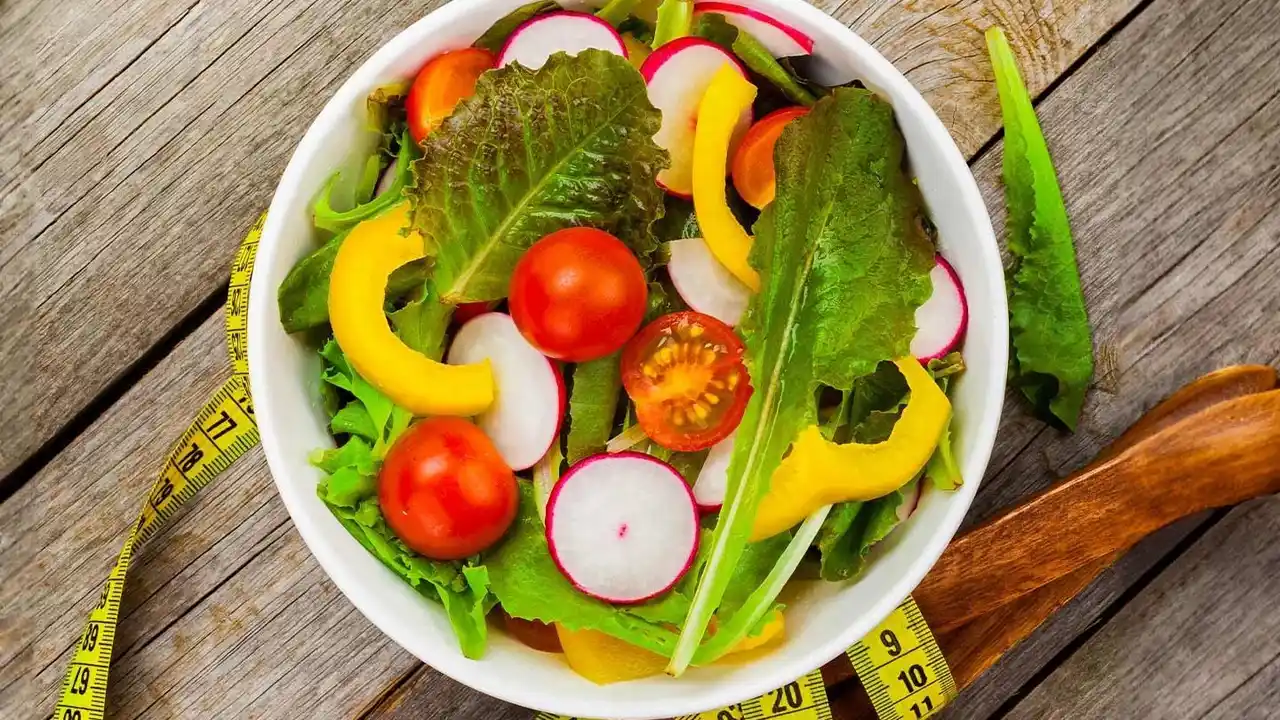
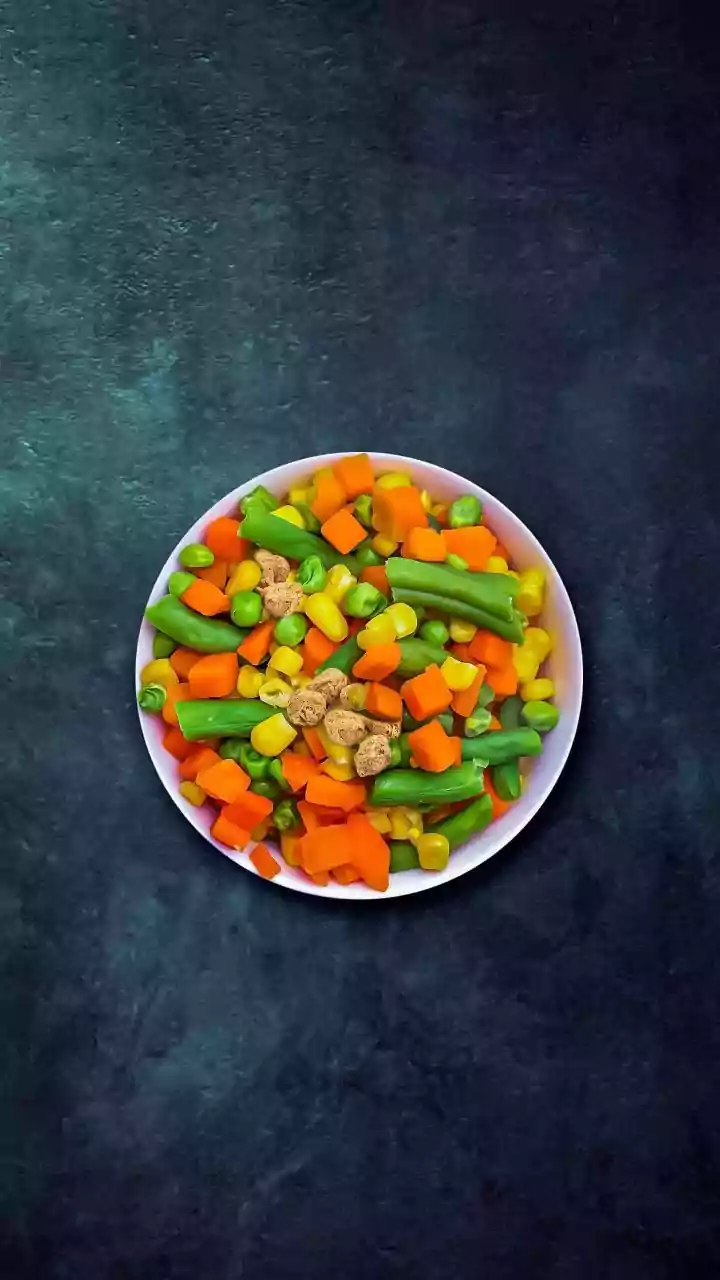
The focus on food variety extends well beyond just protein. A colourful, diverse plate ensures your child gets a wide spectrum of vitamins and minerals that are crucial for their health. No single food can provide everything the body needs. Unfortunately, nutritional deficiencies in iron, vitamin D, vitamin A, and zinc are common among Indian children, often due to a lack of dietary diversity. Early and regular exposure to different foods can also help shape a child's palate and prevent picky eating habits later in life. The goal is to introduce a variety of fruits, vegetables, whole grains, and healthy fats alongside protein. This approach helps to fill the 'hidden hunger' where a child might be eating enough calories but missing out on essential micronutrients that are vital for everything from vision to immunity.
Making It Work: Practical Tips for Parents
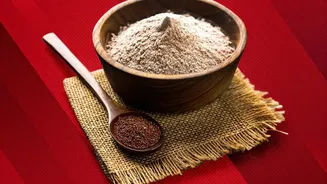
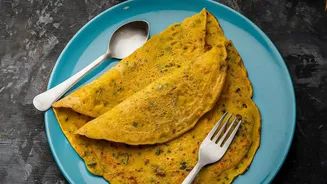
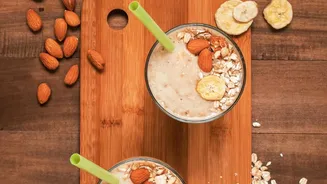
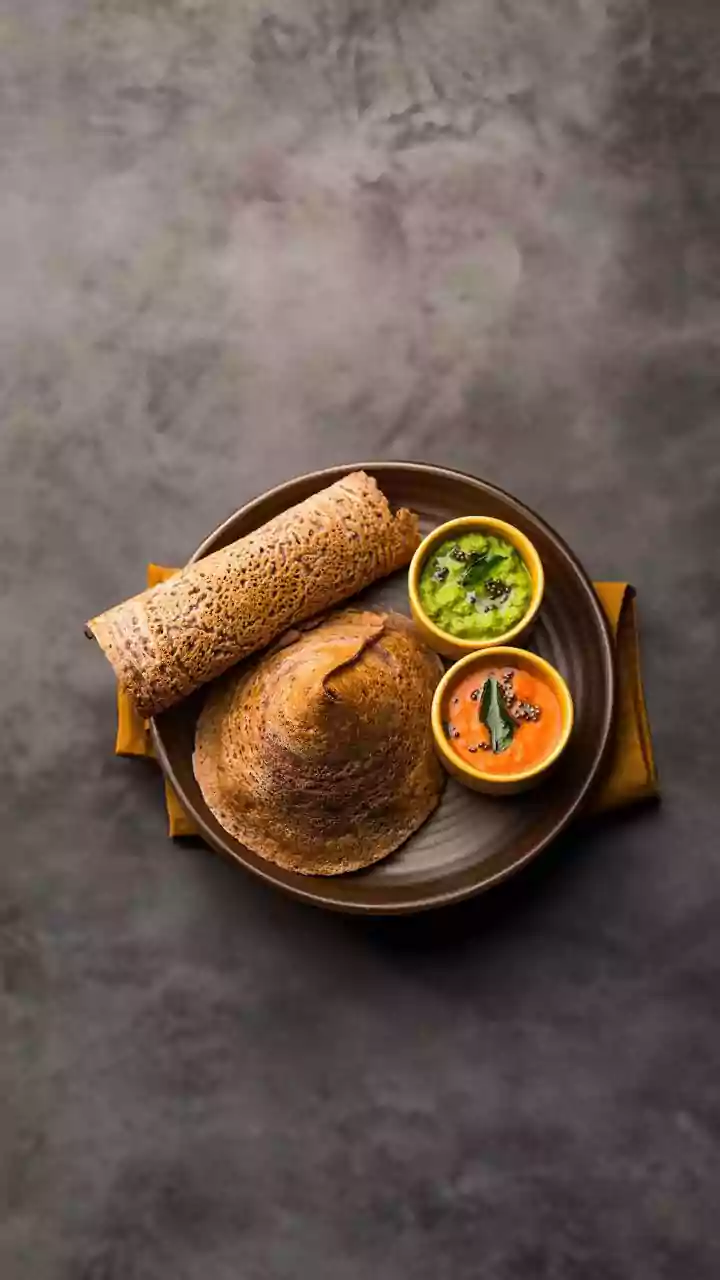
Knowing what to do is one thing; getting a child to cooperate is another. The key is to make changes small and manageable. Try to include one protein source in every main meal and aim for a protein-rich snack during the day. For vegetarian families, this could be a besan chilla for breakfast, rajma-rice for lunch, and a paneer paratha for dinner, with a snack of roasted chana or a handful of nuts. You can sneak in extra nutrients by adding powdered nuts or seeds to milkshakes and porridges or soya flour to roti dough. If your child is a picky eater, be patient. It can take many exposures for a child to accept a new food. Involve them in meal prep, let them choose a new vegetable at the store, and serve unfamiliar foods alongside their favourites to make the experience less intimidating.