







The Allure of Plastic During Festivities
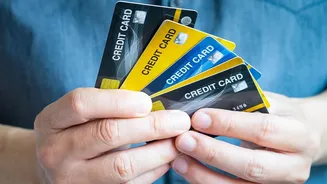
Credit card usage in India has seen a significant surge, with spending consistently crossing the ₹2 trillion mark monthly in 2026. This trend intensifies during the festive season, which can account for nearly a third of annual sales for many companies.
A 2026 survey found that 95% of consumers plan to spend more than usual during the festive period. The reasons for this are clear: credit cards offer unmatched convenience, attractive rewards, cashback offers, and no-cost EMI options that make big-ticket items seem more affordable. E-commerce platforms fuel this fire with exclusive online discounts tied to specific cards, encouraging shoppers to swipe now and worry later. This shift is so pronounced that while credit card transactions have grown, debit card usage has seen a decline, indicating a clear preference for credit-fueled purchasing.
The Fine Print Behind the Fanfare
The convenience of a credit card can mask significant financial risks. The biggest danger is the debt trap, which often starts with paying only the 'minimum amount due'. While this avoids late fees, the remaining balance accrues interest at exorbitant annual rates, sometimes as high as 30-40%. This can quickly snowball, turning a small festive purchase into a long-term liability. Another pitfall is a high credit utilisation ratio. Using more than 30-40% of your available credit limit can negatively impact your CIBIL score. A lower score makes it harder and more expensive to secure loans in the future. The festive excitement often leads to impulse buying, and the ease of a simple tap or swipe makes it easy to lose track of spending until the bill arrives, causing post-celebration financial stress.
Your Game Plan for Smart Spending
Enjoying the festivities without accumulating debt requires a clear strategy. First, create a detailed budget. List all anticipated expenses—gifts, travel, home decor, food—and allocate a specific amount to each category. Sticking to this list is crucial. Second, track your spending in real-time. Most banking apps offer alerts that can notify you as you spend, helping you stay within your budget. Third, always aim to pay your credit card bill in full before the due date. This is the most effective way to avoid high interest charges. If you have multiple cards, consider spreading your purchases to keep the utilisation ratio low on each one. Finally, be selective about offers. A discount is only a good deal if it's for something you already planned to buy. Avoid signing up for new cards just for a one-time offer, as multiple credit inquiries can also affect your credit score.
BNPL: A Newer, Trickier Cousin
Alongside credit cards, 'Buy Now, Pay Later' (BNPL) services have become extremely popular, especially on e-commerce platforms. They offer instant, small-ticket loans at checkout, often with a promise of no interest for a short period. However, BNPL carries its own set of risks. The ease of access can encourage even more impulsive spending and make it difficult to track multiple repayment schedules across different apps. Missed payments can lead to high late fees and, in many cases, a negative impact on your credit score, as most BNPL providers now report repayment data to credit bureaus. Unlike credit cards, the terms and conditions for BNPL can be less transparent, with hidden fees or charges. It's crucial to treat BNPL with the same caution as a credit card and fully understand the repayment terms before using it.