





Beyond the Predictable Menu
For many, the experience of Indian food has long been defined by a handful of popular dishes like butter chicken or masala dosa, which represent just a fraction of the country's culinary wealth. This has led to a flattening of perception, where the immense
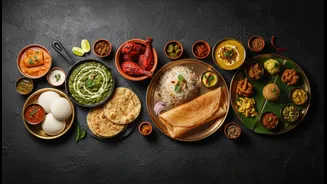
diversity of Indian food is grouped under a single, simplified banner. However, a significant shift is underway. Diners are now seeking more authentic and varied experiences, moving beyond the usual suspects. This curiosity has given rise to multi-regional dining, a concept that celebrates the specific culinary identities of India's different states and communities. Instead of a generic "Indian" menu, restaurants are curating offerings that might feature a fiery Goan vindaloo alongside a delicate Bengali fish preparation or a hearty Rajasthani dal. This is not fusion cuisine, but a carefully presented collection of distinct regional stars, allowing each to shine.
A Delicious Lesson in Contrast
One of the most rewarding aspects of multi-regional dining is the experience of contrast. When dishes from different culinary traditions are placed side-by-side, their unique characteristics are thrown into sharp relief. A meal can become a journey across India's geography and climate. Consider the juxtaposition of a rich, creamy korma from the North, influenced by Mughal cooking traditions, with a light, tangy sambar from the South, which uses tamarind and lentils as its base. The former is warming and opulent, while the latter is bright and invigorating. Enjoying them in proximity allows a diner to appreciate not just the flavours themselves, but the different philosophies of cooking that they represent. This approach highlights how regional cuisines have evolved based on local climate, available ingredients, and historical influences, making the meal an engaging and educational experience.
The Thrill of Culinary Discovery
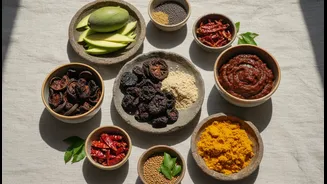
Beyond appreciating the contrast, multi-regional dining is a gateway to discovery. It’s an opportunity to encounter ingredients, cooking techniques, and flavour profiles that are rarely found in mainstream restaurants. Chefs championing this movement often act as culinary storytellers, reviving forgotten family recipes or showcasing hyperlocal specialities from their home regions. This could mean tasting a dish made with fermented bamboo shoots from Nagaland, discovering the unique sourness of kokum from the Konkan coast, or experiencing the rustic flavours of Kumaoni recipes from Uttarakhand. For the adventurous diner, this is the equivalent of culinary exploration without needing a passport. It’s about tasting food that tells a story of a specific place and people, offering an experience that is both new and deeply rooted in tradition.
Eating with Context and Connection
Ultimately, the multi-regional dining trend provides what has so often been missing from the restaurant experience: context. Food is never just about taste; it is intertwined with culture, history, and community. A dish is not merely a list of ingredients, but a story of a region's agricultural cycle, its trade routes, and its social customs. When a restaurant presents a dish from a specific part of the country, it provides a crucial piece of this story. This trend reflects a broader desire among consumers for more meaningful experiences. Diners are no longer satisfied with just eating; they want to understand the origins of their food and connect with the culture behind it. By presenting dishes with their regional identity intact, these restaurants transform a meal from a simple transaction into a rich, cultural immersion.