



The Gold Standard: Whole Fruits
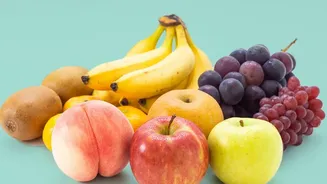
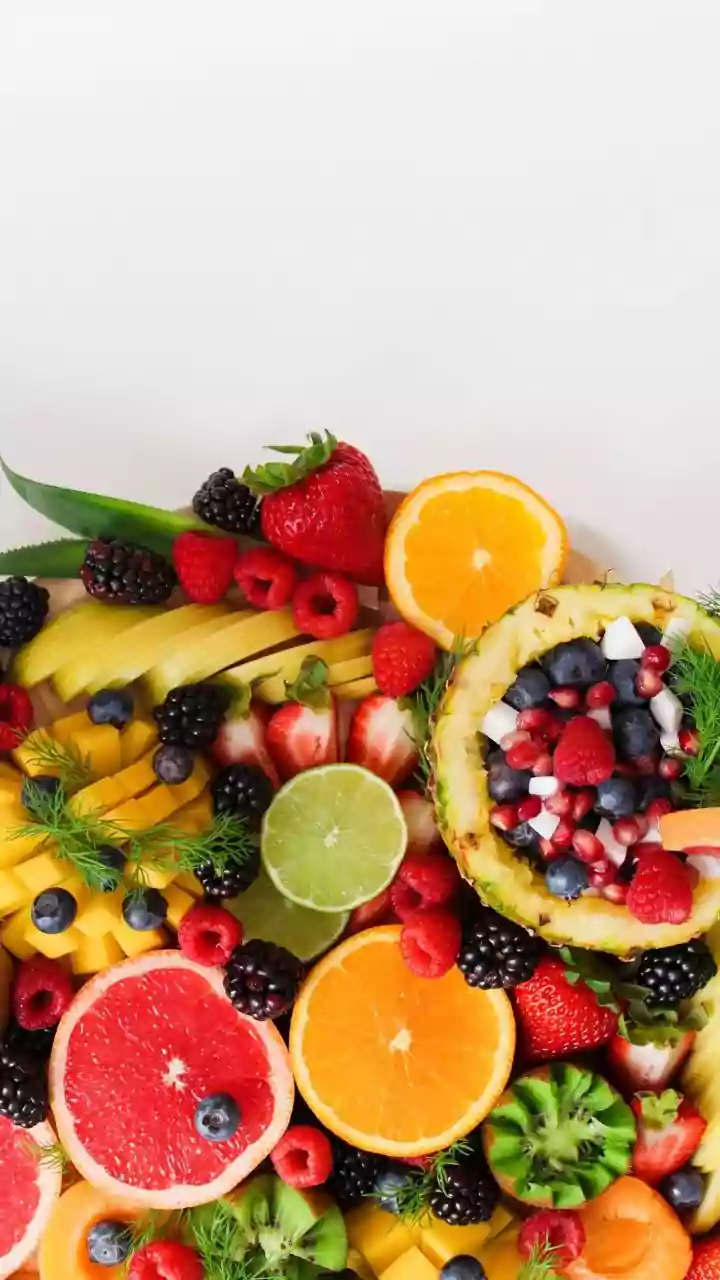
Nutrition experts agree that eating fruit in its natural, whole form is the superior choice. The magic ingredient is fibre, which is abundant in the skin, pulp, and flesh of fruits. This dietary fibre plays a crucial role in your health. It slows down
the absorption of the fruit's natural sugars (fructose) into your bloodstream, preventing the sharp spikes and subsequent crashes in blood sugar levels that can occur with other forms of fruit consumption. This slow-release process not only provides sustained energy but also helps you feel fuller for longer, which can aid in weight management. Furthermore, the act of chewing sends signals to your brain that you are eating, contributing to feelings of satiety that you don't get from drinking. Eating the whole fruit ensures you get the complete package of vitamins, minerals, and antioxidant compounds, many of which are concentrated in or near the skin.
The Compromise: Fresh Fruit Juice
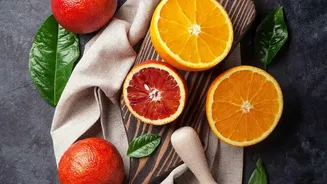
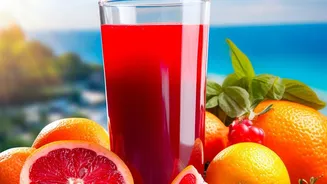
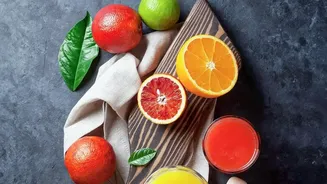
A glass of fresh juice can seem like a healthy, refreshing choice. While it does provide a concentrated dose of vitamins and minerals, the juicing process has a major drawback: it strips away almost all of the beneficial dietary fibre. When you remove the fibre-rich pulp and skin, you are left with what is essentially sugar water. This 'free sugar' is absorbed by your body very quickly, leading to a rapid spike in blood glucose and insulin levels. This can be particularly concerning for individuals managing diabetes. Moreover, it takes several pieces of fruit to make a single glass of juice, meaning you consume the sugar and calories of four or five oranges in minutes, something you would be unlikely to do if you were eating them whole. This lack of fibre and satiety means juice doesn't fill you up, making it easy to consume excess calories. While better than a sugary soda, juice is best considered an occasional treat rather than a health staple.
The Middle Ground: Smoothies
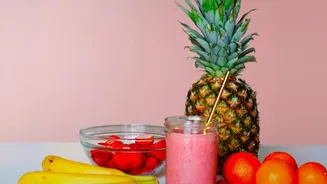
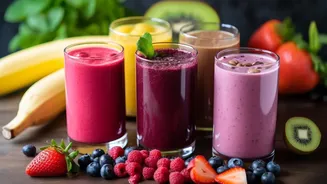
Smoothies occupy a compelling middle ground between whole fruits and juices. Because blending uses the entire fruit—skin, pulp, and all—it retains the all-important fibre that is lost during juicing. This means a smoothie will generally have a less dramatic impact on your blood sugar compared to juice and will keep you feeling full for longer. Smoothies also offer incredible versatility. You can enhance their nutritional profile by adding other healthy ingredients like spinach, yoghurt, nuts, seeds, or protein powder, turning a simple fruit drink into a balanced, nutrient-dense meal or snack. However, it's important to be mindful of what goes into your smoothie. Store-bought versions can be loaded with added sugars, syrups, and high-calorie ingredients. Even homemade smoothies can become calorie bombs if you're not careful with portion sizes and sweet additions.
The Verdict: A Choice for Every Goal
So, what's the final verdict in the battle of fruits? There is a clear hierarchy. Eating whole fruit is undeniably the healthiest option, providing a complete nutritional package of fibre, vitamins, and minerals that work together to support your health. Smoothies are a strong second choice. By keeping the fibre intact, they are more filling and better for blood sugar control than juice. They are a practical way to consume a variety of fruits and vegetables, especially for those with a busy lifestyle. Fresh fruit juice comes in last place. Due to its high concentration of free sugars and lack of fibre, it should be consumed in moderation, if at all. Think of it as a small, occasional nutrient boost rather than a daily habit. Ultimately, the best choice depends on your specific health goals and circumstances.