




The 2026 Monsoon: A Season of Deficit
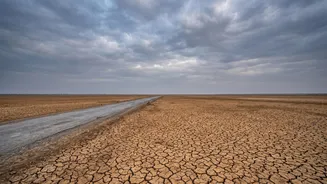
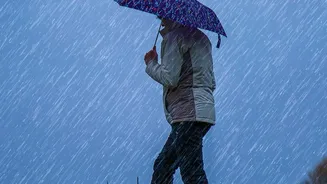
The India Meteorological Department (IMD) has confirmed that the 2026 monsoon season is concluding with a significant rainfall deficit. As of mid-September, the all-India deficit stood at 15%, with regions in the south, east, and northeast being particularly
dry. This pattern, influenced by strengthening El Niño conditions, means many parts of the country received less rainfall than average. The monsoon is expected to fully withdraw from West Rajasthan around September 19. This below-normal rainfall has implications for soil moisture, reservoir levels, and the atmospheric conditions that will define the upcoming winter.
For Snow Seekers in the Himalayas
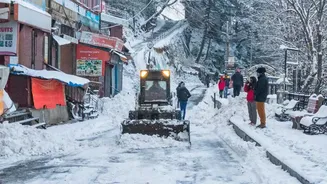
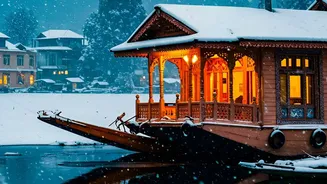
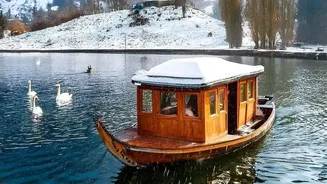
A drier, warmer monsoon in the Hindu Kush Himalaya region could signal a more complicated winter ahead. While a strong monsoon often provides the atmospheric moisture needed for heavy winter snowfall, this year's deficit might suggest a delayed or less intense start to the snow season. However, forecasts also point to the risk of short, intense bursts of precipitation. For travellers heading to popular destinations like Gulmarg, Auli, or Manali, this could mean a winter of contrasts. While widespread, early snow might be less certain, the potential for sudden, heavy snowfall remains, which could impact road accessibility. Travellers should monitor local forecasts closely and be prepared for changing conditions, as late-season rains are still expected in parts of the Himalayas through September.
Lush Landscapes and Southern Retreats
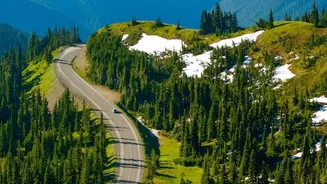
For South India, the story is different. The region experienced a pronounced monsoon deficit of 28% as of mid-September. While this might mean less dramatic, overflowing waterfalls, the post-monsoon period from October onwards is still one of the best times to visit. The rains, even if lighter, are enough to rejuvenate the landscapes of Kerala, Coorg, and Wayanad, leaving them lush and green. The weather becomes pleasant and comfortable for exploring tea gardens in Munnar or the backwaters in Kerala as the northeast monsoon recedes by December. This period offers clear skies and a vibrant, green countryside, making it ideal for nature getaways before the peak crowds arrive.
Rajasthan's Royal Glow and Central India
In destinations like Udaipur and Jaipur, the end of the monsoon ushers in the prime tourist season. A slightly weaker monsoon has little negative impact here; in fact, it ensures a swift transition to the clear, sunny days and cool nights that define a Rajasthan winter. The lakes in cities like Udaipur will have been replenished, and the landscape is refreshed and dust-free. The period from October to March is considered perfect for exploring the forts and palaces of the region. With pleasant daytime temperatures, it's an excellent time for outdoor sightseeing and cultural exploration across North and Central India.
Planning Your Winter Getaway
Given the monsoon's performance, a few key tips can help shape your winter holiday plans. First, book flights and hotels early, as December is peak season across India, driving up prices and reducing availability, especially for popular beach and heritage destinations. Second, if you're planning a trip to the mountains, be flexible. The risk of landslides after erratic rainfall, even in a drier season, is a real concern. Always check road conditions before you travel. Finally, consider exploring destinations in the post-monsoon window of September and October, which is emerging as a popular time for travel, offering pleasant weather and fewer crowds before the year-end rush.