






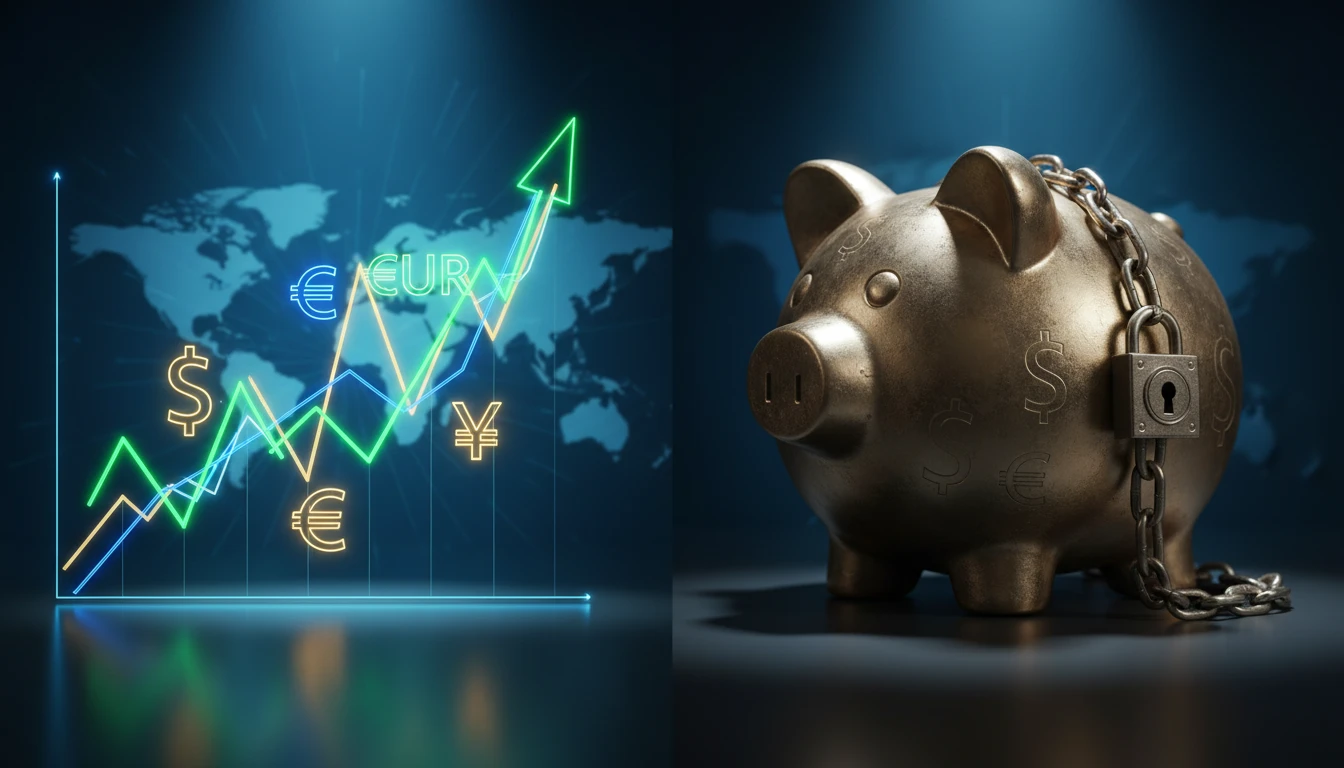


The Global Economic Picture
Around the world, central banks like the U.S. Federal Reserve (the Fed) set benchmark interest rates to manage their economies. When they want to control inflation, they raise rates, making it more expensive to borrow money. When they want to stimulate
growth, they lower them. Decisions made by the Fed have a ripple effect across the globe because the U.S. economy is so large and the dollar is a dominant global currency. In early 2026, many central banks have been cautiously holding rates steady after a period of adjustments, trying to balance economic growth with stable prices. This global monetary policy stance is the starting point for understanding your loan costs.
How Global Rates Reach India
Why should a rate change in Washington D.C. matter in Mumbai? The connection happens through two main channels: capital flows and currency exchange rates. When U.S. interest rates rise, global investors are often tempted to move their money into U.S. markets to earn higher returns. This can lead to capital flowing out of emerging economies like India. To keep investment in the country and prevent the rupee from weakening too much, the Reserve Bank of India (RBI) might be prompted to increase its own repo rate—the rate at which it lends to commercial banks. This, in turn, makes borrowing more expensive for everyone in India.
The Rupee-Dollar Equation
For students aiming to study abroad, the currency exchange rate is a critical factor. Higher U.S. interest rates strengthen the dollar. When the dollar gets stronger, the Indian rupee typically weakens, meaning you need more rupees to buy one dollar. If you've planned your budget for a $50,000 tuition fee when the exchange rate is ₹83 to a dollar, your cost is ₹41.5 lakh. But if the rupee weakens to ₹87, that same tuition suddenly costs ₹43.5 lakh. This currency fluctuation can significantly increase the total cost of your education and living expenses, even if your loan amount in rupees remains the same.
Impact on Your Education Loan
The influence of global trends depends on the type of loan you have. Most education loans in India have a floating interest rate, which is often linked to the RBI's repo rate. If the RBI raises its rate in response to global pressures, the interest on your floating-rate loan will likely go up, increasing your EMI. Fixed-rate loans are less common but protect you from these fluctuations. The impact is most direct for those studying abroad, who face the double challenge of potentially higher interest rates and a less favourable exchange rate. For domestic students, the effect is less pronounced but still present, as overall lending rates in the country may rise.
Smart Strategies for Aspiring Students
While you can't control global finance, you can plan strategically. Start by exploring all funding options beyond loans, such as scholarships, grants, and work-study programs, which don't need to be repaid. When considering a loan, compare fixed-rate versus floating-rate options carefully. A fixed rate offers stability in an uncertain environment. Build a financial buffer into your budget to account for potential currency swings. Some students also consider earning in the foreign currency through part-time work, which can help offset the exchange rate risk during repayment. Finally, research thoroughly and don't hesitate to seek advice from financial experts to navigate the complexities of education financing.