



From Virtual Try-Ons to Personal Advisors
The first wave of beauty apps brought us the magic of augmented reality (AR), allowing us to virtually try on dozens of lipstick shades or new hairstyles. [11, 16] Fun and useful, these apps were essentially digital mirrors. Now, a new generation of apps is
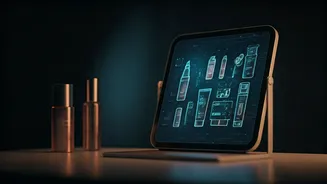
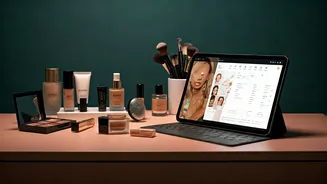
going much deeper. Powered by sophisticated artificial intelligence (AI), they are no longer just for trying things on; they are for learning, analyzing, and receiving personalized guidance. [3, 12] Instead of just showing you a product, they analyze your specific needs to tell you *why* you need it, functioning less like a catalog and more like a trusted expert. [12, 18]
How AI Becomes Your Skincare Expert
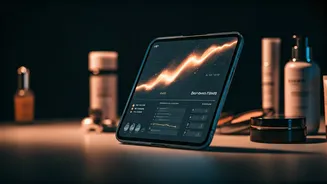
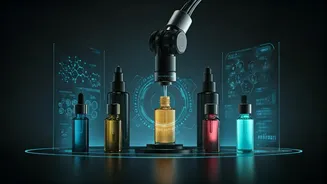
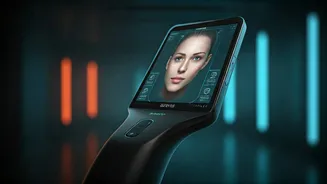
The core of this evolution lies in AI-driven skin analysis. [17] Apps like YouCam Makeup and L'Oréal's SkinConsultAI use your phone's camera to perform a detailed scan of your face. [10, 13] These tools can detect and measure concerns like hydration levels, wrinkles, dark spots, and pore size with impressive accuracy, sometimes using databases of tens of thousands of medical-grade images for comparison. [4, 8, 10] After the analysis, which can take just seconds, the app generates a personalized skincare routine, recommending specific products and ingredients tailored to your results. [3, 15] Some platforms, like Revieve, can even create a seamless journey from online analysis to in-store recommendations, ensuring the advice follows you wherever you shop. [8, 10]
Smarter Makeup Matching and More
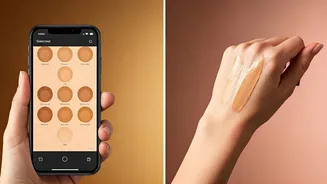
This consultative approach extends well beyond skincare. Finding the perfect foundation match, a common beauty challenge, is being solved by AI. Sephora's Color IQ technology scans your skin tone to recommend the ideal foundation shades from thousands of options, drastically reducing guesswork and returns. [1, 16] But it's not just about color matching. AI can analyze your unique facial structure to suggest makeup looks that complement your features. [8] Some apps are even becoming all-in-one style consultants, combining makeup advice with hairstyle and even clothing recommendations for a complete look. [9] For instance, the L'Oréal Beauty Genius remembers your past conversations and concerns to adjust its suggestions over time, acting like a true personal advisor. [1]
The Business Behind the Advice
For consumers, the benefit is clear: free, hyper-personalized advice available 24/7. [3] For beauty brands, these apps represent a powerful new way to engage customers, build loyalty, and drive sales. [2, 6] By offering genuine utility, brands can collect valuable data on consumer concerns, preferences, and behavior. This information helps them not only in targeted marketing but also in future product development. [21] However, this data collection raises important privacy questions. Facial scans and skin health information are highly personal, even biometric, data. [7, 22] As these technologies become more widespread, ensuring that user data is handled ethically and securely is a critical challenge for the industry. [21, 24]
The Future Is Even More Personal
The trend toward app-based consultancy is only set to grow, with the global market for AR and VR in beauty projected to expand significantly. [13] The future likely involves an even deeper integration of AI. Imagine apps that adjust skincare recommendations based on the weather in your location or your day's activities. [2] Some platforms are already integrating with human experts, offering virtual consultations that blend AI efficiency with a personal touch. [5, 15] This hybrid model suggests that while technology can provide powerful data and analysis, the human element of empathy and artistry remains irreplaceable in beauty. [5]