





A compact bedroom can feel like a daily puzzle, with every piece of furniture fighting for space. But a truly restful and functional room isn't about having less; it's about making smart, strategic choices with what you have.
Start With the Anchor: Placing Your Bed
The bed is the largest piece
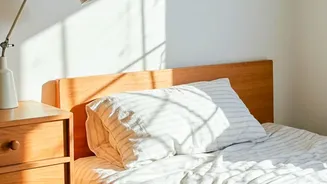
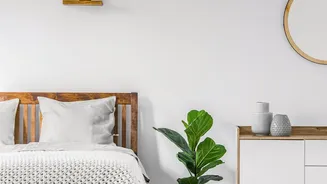
of furniture, so its position dictates the rest of the room's layout. The most common approach is to place the bed against the center of the longest wall, ideally the one you see when you first walk in. This creates a natural focal point and a sense of symmetry. If the room is very narrow, you might consider pushing the bed lengthwise against a wall to open up a clear path on the other side. While pushing a bed into a corner saves the most floor space, it can make accessing it and making the bed awkward. Before you commit, think about your daily habits. You'll want at least 70cm of clearance on at least one side for comfortable movement.
Think Vertically to Free the Floor
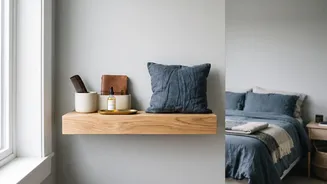
When floor space is limited, the only way to go is up. Using your walls effectively is the secret to a functional small room. Instead of a wide, low dresser, opt for a tall, narrow chest of drawers. This provides the same amount of storage while occupying a much smaller footprint. Wall-mounted shelves or 'floating' shelves are perfect for books, plants, and decor, drawing the eye upward and making the ceiling feel higher. You can even replace bulky bedside tables with wall-mounted shelves and plug-in sconces, freeing up precious inches on either side of the bed. This strategy keeps essentials within reach without cluttering the floor.
Choose Smart, Multi-Functional Furniture
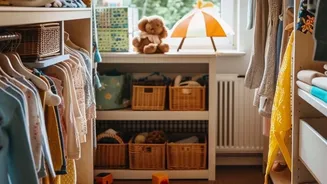
In a small bedroom, every piece of furniture should earn its place. Look for items that serve more than one purpose. A bed with built-in drawers underneath is a game-changer, offering significant storage for out-of-season clothes or extra linens. A storage ottoman at the foot of the bed can hold blankets while also providing a place to sit. When selecting furniture, look for pieces with a lighter visual weight. Items with raised legs, like a mid-century modern dresser, allow you to see the floor underneath, which creates an illusion of more space. Avoid heavy, blocky furniture that sits directly on the floor, as it can make the room feel weighed down.
Create Illusions of Light and Space
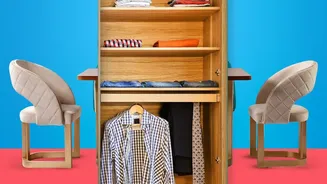
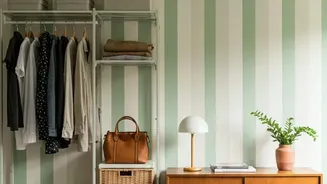
How a room feels is just as important as its physical dimensions. You can make your bedroom seem much larger with a few classic design tricks. Placing a large mirror opposite a window is the most effective way to bounce natural light around the room, instantly making it feel brighter and more open. Mirrored wardrobe doors are another great option, as they provide storage while visually doubling the space. When it comes to color, light and neutral palettes are your best friend. Soft whites, pale greys, and warm neutrals reflect light and make the walls recede, enhancing the sense of spaciousness. Consistent color across walls and major furniture pieces helps to unify the room and reduce visual clutter.
Map Your Pathways and Maintain Flow
One of the biggest mistakes in arranging a small room is ignoring traffic flow. Before you finalise your layout, think about how you move through the space. You need a clear path from the door to your bed and to your closet without having to sidestep furniture. A common error is pushing all furniture against the walls, which can paradoxically make a room feel static and uninviting. Sometimes, pulling a dresser or nightstand just a few inches away from the wall creates a sense of 'breathing room' that makes the entire layout feel lighter. Keep your main walkways clear and ensure you can open all doors and drawers fully without obstruction.