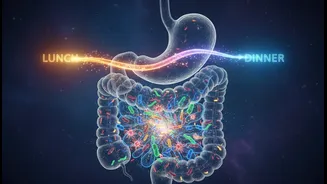







The Gut Health Gold Rush
In recent years, a universe of tiny organisms living in our digestive tract—the gut microbiome—has captured the public imagination. A new wave of direct-to-consumer companies now offers to sequence your personal gut flora from a stool sample, providing
dietary advice supposedly tailored to your unique microbial makeup. The promise is alluring: a 'one-size-fits-all' approach to diet is outdated, and by understanding your gut, you can unlock better health, from digestion to immunity. This has created a wellness gold rush, with consumers eager to bio-hack their way to optimal health by eating for their microbes.
A Diet of Data, Not Proof
The current model for most personalised gut diets is based on pattern recognition. These services identify the types and quantities of bacteria in your gut and compare them to patterns seen in large population datasets. If your profile lacks certain 'good' bacteria associated with health, you might be advised to eat foods thought to boost them. The major limitation, however, is that these links are often correlational, not causal. Just because a specific microbe is present in healthy individuals does not prove it is the cause of their health. Recent studies have also shown that results from different testing companies can be wildly inconsistent, reporting vastly different microbial profiles from identical samples. This raises serious questions about the reliability of the initial analysis, let alone the advice that follows.
From Patterns to Outcomes
The crucial next step for the field is to move from simply identifying patterns to rigorously testing outcomes. This represents a fundamental shift from descriptive science to evidence-based medicine. Instead of just suggesting a diet, researchers and clinicians are now focused on proving it works through controlled studies. This means taking groups of people, implementing a personalised dietary intervention, and then measuring concrete health markers. These outcomes can include changes in weight, blood sugar levels, inflammatory markers, cholesterol, and even reported symptoms for conditions like Irritable Bowel Syndrome (IBS). The goal is no longer just to change the composition of the microbiome, but to demonstrate that these changes lead to a tangible, positive impact on a person's health.
The Challenge of Clinical Validation
Proving causality is far more difficult than observing correlation. It requires well-designed and often expensive clinical trials that can control for the immense number of variables in human life, including genetics, lifestyle, and environment. For example, a recent trial for IBS compared a standard low-FODMAP diet with a new, AI-assisted personalised diet based on microbiome data, directly testing which approach yielded better results for patients. Another study is testing personalised prebiotic supplements to see if they can improve gut health and reduce alcohol cravings. These kinds of studies are essential to build a solid foundation of evidence. Without them, the field risks being dominated by hype and commercial claims that far outpace the science.
What This Means For Your Health
This shift toward outcome-based evidence is a sign of a maturing field and good news for consumers. It means that, in the future, the advice you receive will be backed by a higher standard of proof. For now, however, it pays to be a discerning customer. Experts advise caution, especially when a company's recommendations conveniently lead to purchasing their own brand of supplements or probiotics. While the promise of a diet perfectly tailored to you is powerful, the most reliable advice remains grounded in principles we already know work: a balanced diet rich in fibre from diverse sources like fruits, vegetables, and whole grains is a proven way to support a healthy gut.