






A Monsoon Season of Deficits
The India Meteorological Department (IMD) confirmed that the 2026 southwest monsoon, which runs from June to September, ended with a country-wide rainfall deficit of around 12.6%. This marks the weakest monsoon season since 2015. The shortfall was not
uniform across the country, creating a picture of sharp regional divides. While Central India received near-normal rainfall, the southern peninsula and the east and northeast regions faced significant deficits of around 24-25%. This uneven distribution is critical, as a lack of rain at the right time can be devastating for agriculture, even if the national average seems less alarming. Several states, including Karnataka and Maharashtra, have been particularly hard-hit, with some regions experiencing prolonged dry spells.
Kharif Crops in the Crosshairs
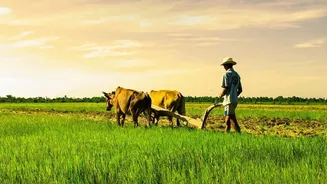
The Kharif season, which relies heavily on monsoon rains, has been directly impacted. As of late September, total sowing of Kharif crops was down by about 1.2% compared to the previous year. While this figure might seem small, it masks significant declines in crucial crops. Paddy (rice) acreage has seen a notable drop, with sowing down by over 3.6% year-on-year. Other key crops like maize, cotton, and some pulses also face uncertainty. The issue is now shifting from the area sown to the final yield. Inadequate rainfall during the critical growing stages means that even crops that were planted may produce a much lower output than expected, a concern voiced by agricultural experts.
The Inevitable Knock-on: Food Prices
Lower crop production inevitably leads to supply constraints, which in turn puts upward pressure on prices. Economists are already warning of a potential surge in food inflation. With food items accounting for a large portion of India's consumer price index, any sustained increase can significantly impact household budgets and the broader economy. Analysts expect food inflation to rise in the coming months, with some projections putting it above 7% by October 2026. The Reserve Bank of India has flagged the deficient monsoon as a key risk to its inflation targets, suggesting that monetary policy may remain cautious to keep prices in check.
A Double Whammy: Low Reservoirs and Rabi Worries
The impact of a poor monsoon extends beyond the Kharif harvest. The rains are vital for replenishing India's major reservoirs, which are crucial for drinking water and for irrigating the next crop cycle—the Rabi or winter season. As of late September, water storage in India's 178 major reservoirs was at 70% of capacity, the lowest level for this time of year in a decade. This is significantly below the levels of the previous year and the ten-year average. The situation is particularly grim in southern India, where storage is only around 50% of capacity. This depleted water supply poses a serious threat to the upcoming Rabi season, which depends heavily on irrigation for crops like wheat and gram.