






From Pond to Pop
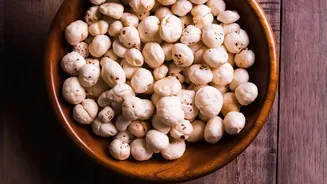
Known as fox nuts or lotus seeds, makhana are the puffed seeds of an aquatic plant, Euryale Ferox. For centuries, their story has been centered in the ponds and wetlands of Bihar, a state that produces up to 90% of the world's supply. The traditional
harvesting and popping process is laborious, requiring skilled farmers to gather, dry, and roast the seeds until they burst into the light, airy puffs we recognise. Historically, makhana was more than just food; it was a cultural and medicinal staple. Ayurvedic texts praised it as a nourishing and calming food, often recommended during periods of fasting like Navratri due to its purity and easy digestibility.
The Nutritional Powerhouse
The modern resurgence of makhana is largely fuelled by a growing global awareness of health and wellness. This ancient seed is a nutritional heavyweight, packed with protein, fiber, and essential minerals like calcium, magnesium, and potassium, while being naturally low in fat and cholesterol. Its gluten-free nature makes it an ideal snack for those with dietary restrictions, and its low glycemic index is beneficial for managing blood sugar levels. Rich in antioxidants, which help combat cellular damage, makhana offers a guilt-free crunch that provides sustained energy, making it a far healthier alternative to fried and processed snacks.
A Snack Reimagined
The leap from traditional kitchens to trendy supermarket aisles has been dramatic. What was once simply roasted with a pinch of salt is now available in an astonishing variety of flavours. Brands have given makhana a modern makeover, launching ready-to-eat packets seasoned with everything from Peri-Peri and Cheddar Cheese to Tandoori Masala and Mint. This transformation isn't just about flavour. The packaging is now sleek, modern, and convenient, with resealable pouches designed for on-the-go urban consumers. This clever repositioning has turned a simple commodity into a premium, branded product, catching the eye of health-conscious millennials and Gen Z.
The Booming Makhana Market
This reinvention has ignited a massive commercial boom. The Indian makhana market has seen explosive growth, with projections suggesting it could reach a value of ₹11,000-₹12,000 crore by the end of the decade. This surge is driven by a perfect storm of factors: rising health consciousness, higher disposable incomes, and the expanding reach of e-commerce and organised retail. The government has also recognised its potential, establishing a National Makhana Board to support research, improve cultivation techniques, and boost exports. As a result, India's 'white gold' from Bihar is now finding its way onto shelves in the US, Canada, and Europe.
A Blueprint for Food Revival
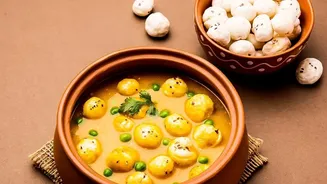
Makhana's journey is not an isolated phenomenon. It serves as a powerful blueprint for the revival of other traditional Indian foods. Across the country, consumers are showing renewed interest in ingredients and recipes that are authentic, nutritious, and sustainable. Ancient grains like millets, spices like turmeric, and regional delicacies are being rediscovered and rebranded for a new generation. This trend is driven by a collective desire to connect with cultural roots while embracing a healthier lifestyle. It's a movement that values the wisdom of the past, proving that what's old can indeed become new, exciting, and incredibly popular again.