






Calcium: The Essential Building Block
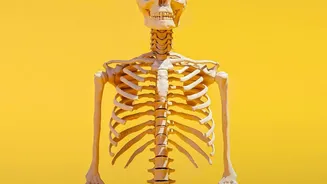
Everyone knows calcium is the primary mineral responsible for strong bones and teeth. About 99% of the body's calcium is stored in our skeletal system, which acts as a reservoir to keep everything from our muscles to our nerves functioning correctly.
When we think of bone health, calcium is the hero ingredient. It forms the very structure and hardness of our bones. However, simply consuming calcium-rich foods or supplements is only the first step. For your body to actually use this vital mineral, it needs help.
Vitamin D3: The Absorption Specialist
Enter Vitamin D3. Think of it as the gatekeeper for calcium. Its main job in this trio is to significantly boost the absorption of calcium from your intestines into your bloodstream. Without enough vitamin D, your body can only absorb about 10-15% of the calcium you consume. With adequate vitamin D, that figure jumps to 30-40%. So, if calcium is the pile of bricks for building a house, Vitamin D3 is the worker who unloads the truck and gets the bricks onto the construction site—your bloodstream. It makes calcium available for use, but its job ends there.
Vitamin K2: The Traffic Controller
This is where Vitamin K2 plays its crucial, and often overlooked, role. If D3 gets calcium into the bloodstream, K2 tells it exactly where to go. It acts as a biological traffic cop, directing the calcium toward your bones and teeth where it's needed, and away from places where it can be harmful, like your arteries and soft tissues. Vitamin K2 does this by activating two key proteins: osteocalcin and Matrix Gla Protein (MGP). Osteocalcin helps bind the calcium to your bone matrix, effectively locking it into your skeleton to make it strong. Meanwhile, MGP works to prevent calcium from depositing in blood vessel walls, which could otherwise lead to arterial stiffness.
The Problem with an Incomplete Team
The synergy between these three nutrients is vital because taking them in isolation can create imbalances. For instance, supplementing with high levels of Vitamin D3 to boost calcium absorption is a common practice. However, without enough Vitamin K2, that increased calcium in your bloodstream might not end up in your bones. Instead, it can be deposited in arteries, a process known as arterial calcification, which is a risk factor for cardiovascular issues. This is sometimes called the 'calcium paradox': the same mineral needed for strong bones can become harmful if not properly managed. Taking calcium and Vitamin D3 without ensuring adequate K2 is like having building materials delivered with no instructions on where they should go.
Achieving the Right Balance Through Diet
While supplements are an option, a food-first approach is always a great starting point for achieving nutritional balance. Calcium is abundant in dairy products, leafy greens, and fortified foods. Vitamin D3 is famously synthesised by our skin in response to sunlight, but is also found in fatty fish like salmon, egg yolks, and fortified milk. Vitamin K2 is a bit trickier to find. Its best sources are fermented foods, such as natto (fermented soybeans), and animal products like aged cheeses, grass-fed butter, and liver. Because their sources differ, paying attention to a varied diet is key to getting all three members of this powerful team on board.