







From Promising Revival to August Anxiety
The 2026 monsoon season began with widespread concern, with early forecasts pointing towards below-average rainfall. A slow start in June seemed to confirm these fears, with a significant rainfall deficit recorded across the country. However, a remarkable
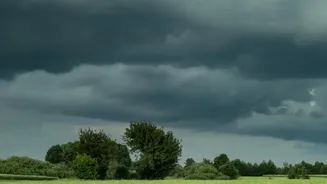
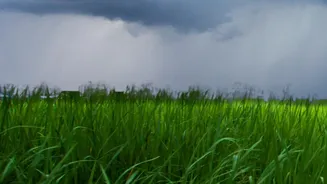
turnaround in July brought widespread and vigorous showers, which not only erased much of the deficit but also accelerated the crucial sowing of kharif crops. This revival brought a wave of optimism, with hopes high for a productive agricultural season. That optimism is now being tempered as rainfall activity has noticeably decreased in the first half of August, a critical month for crop growth. The India Meteorological Department (IMD) has now forecast 'below normal' rainfall for August, suggesting the positive momentum of July may not continue.
What Is Causing the Weaker Rainfall?
The fluctuating behaviour of the monsoon is not random; it's driven by large-scale atmospheric and oceanic phenomena. The primary factor influencing this year's season is the El Niño event developing in the Pacific Ocean. Historically, El Niño is associated with the warming of the ocean surface in the central and eastern Pacific, a condition that often leads to suppressed rainfall and warmer temperatures in India. While its effects were largely offset in July by favourable local systems, the strengthening El Niño is now expected to exert a stronger influence. Compounding this is the state of the Indian Ocean Dipole (IOD), another key climate driver. A 'positive' IOD can counteract El Niño's drying effect, but current conditions are not strongly favourable. The combination of a persistent El Niño and a less-than-helpful IOD is creating a challenging environment for sustained, widespread rainfall.
The Critical Impact on Agriculture
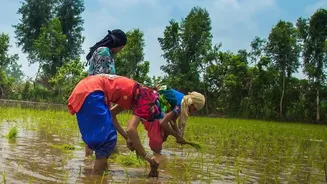
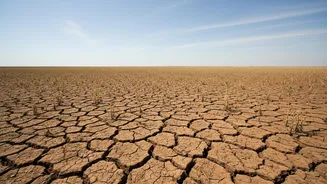
The timing of this dry spell is particularly worrying for farmers. August is a crucial period when summer-sown (kharif) crops like rice, soybeans, pulses, and cotton enter their reproductive and grain-filling stages. Adequate moisture during this phase is essential for healthy growth and determining the final yield. A prolonged period of weak rainfall can lead to moisture stress, potentially stunting crop development and reducing overall productivity. While overall sowing has caught up after the July rains, with the acreage gap compared to last year narrowing significantly, the final harvest now depends entirely on receiving sufficient rain through the rest of the season. Regions in western and southern India, which are heavily dependent on rain-fed agriculture, are particularly vulnerable.
An Uneven Picture Across India
The monsoon's performance has been far from uniform. Even as some regions worry about a lack of rain, others have faced challenges of excess. In July, intense rainfall led to flooding and disruptions in parts of northern India. Now, as a dry spell takes hold in some areas, a new low-pressure system in the Bay of Bengal is bringing heavy to extremely heavy rainfall to eastern states like Odisha and West Bengal. This uneven distribution is a hallmark of recent monsoon seasons. As of mid-August, many districts, particularly in the south and west, are still facing rainfall deficits, while parts of the east and northeast have received normal or surplus rain. This patchwork of rainfall means that while some farmers are grappling with water scarcity, others are dealing with waterlogged fields, highlighting the complex and regional nature of the monsoon's impact.
Broader Economic Consequences
The performance of the monsoon extends far beyond the farm gate. A weak monsoon can have a cascading effect on the entire economy. Reduced agricultural output can strain rural incomes, which in turn dampens demand for goods and services, from tractors to consumer products. Perhaps the most immediate impact for urban consumers is on food inflation. Lower production of key crops, especially pulses and vegetables, can lead to a spike in prices. Furthermore, the monsoon is vital for replenishing the country's reservoirs, which are critical for drinking water supply, hydroelectric power generation, and irrigation for the upcoming winter (rabi) crop season. A shortfall in August and September could leave reservoir levels precariously low, posing challenges for the months ahead.