




The festive season brings joy, laughter, and plenty of late-night gatherings. But that post-party plate of snacks might be the reason you're tossing and turning, robbing you of the restorative sleep you need to enjoy the celebrations.
The Battle Between Digestion and Sleep
When you decide to
call it a night, your body expects to shift into rest-and-repair mode. Your heart rate slows, your core body temperature drops, and your brain begins its crucial cycle of memory consolidation and cellular cleanup. However, eating a heavy meal or rich snack sends a very different signal. Instead of winding down, your body must fire up its digestive system. This process is metabolically demanding; it requires energy, increases blood flow to the stomach, and can raise your core body temperature through a process called diet-induced thermogenesis. This directly conflicts with the body's natural need to cool down to initiate and maintain sleep, creating a physiological tug-of-war that your sleep quality almost always loses.
How Late Meals Disrupt Sleep Architecture
Sleep isn't just an on-or-off state; it’s a complex cycle of different stages, including light sleep, deep sleep, and REM (Rapid Eye Movement) sleep. Each stage is vital for physical and mental restoration. Late-night eating can throw this delicate structure into disarray. The discomfort from indigestion or acid reflux can cause more frequent awakenings throughout the night, often so brief you may not remember them, a phenomenon known as wake after sleep onset (WASO). Even if you don't fully wake up, the metabolic activity from digesting can reduce the time you spend in deep sleep and REM sleep. Alcohol, a common feature of festive parties, is a major culprit. While it might make you feel drowsy initially, it significantly suppresses REM sleep later in the night, leading to a less refreshing slumber.
The Worst Late-Night Offenders
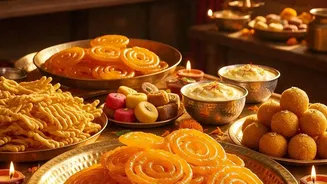
Not all snacks are created equal when it comes to disrupting sleep. The biggest culprits are foods that are high in fat, sugar, or spice. Greasy and fatty foods, like fried appetisers or cheesy dishes, take a long time to digest, keeping your system working overtime. Sugary desserts and sweets can cause a spike in blood sugar followed by a crash, which can interfere with your sleep patterns. Spicy foods can be a double threat: they often lead to heartburn and acid reflux, especially when you lie down, and they can also raise your body temperature, making it harder to drift off. Finally, be wary of hidden caffeine in things like chocolate desserts or certain teas.
Smarter Strategies for Festive Feasting
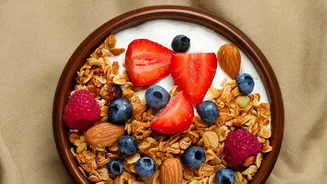
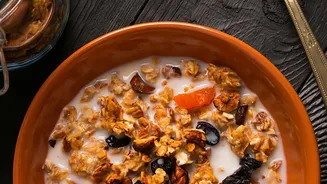
Avoiding heavy snacks doesn't mean you have to go to bed hungry after a party. The key is to be strategic. Try to have a balanced, substantial dinner 2–3 hours before you plan to sleep. This gives your body ample time to digest. If you find yourself hungry later in the evening, opt for a light, easily digestible snack that can actually promote sleep. A small banana, for instance, contains potassium and magnesium, which help relax muscles. A handful of almonds or pistachios provides protein and healthy fats without being overly heavy. Combining a small amount of complex carbohydrate with a little protein, like whole–wheat toast with peanut butter, can help make sleep–inducing amino acids more available to the brain.