






The Allure of Earthen Hues
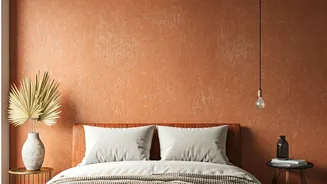
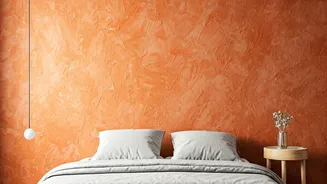
Forget the stark, solid-colour accent walls of the past. The current trend leans into texture, depth, and a sense of history. A terracotta color wash delivers exactly that. It's a painting technique that uses diluted paint or glaze applied in layers to create
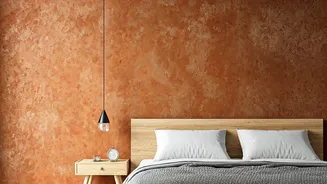
a soft, mottled effect, reminiscent of ancient sun-baked walls or Mediterranean villas. The term 'terracotta' itself means 'baked earth' in Italian, and the colour embodies this connection to nature. It’s a warm, reddish-brown hue that brings an immediate sense of grounding and comfort to a room. Unlike a flat coat of paint, a color wash allows for subtle variations in tone and transparency, giving the wall a dynamic, living quality.
Why It Works in the Bedroom
The bedroom is our sanctuary, a place for rest and rejuvenation. The design choices we make here have a direct impact on our mood and well-being. Terracotta is an ideal choice for this space because of its psychological warmth. It’s a colour that feels like a hug—cozy, secure, and inviting. The organic, imperfect finish of a color wash adds to this effect. It breaks away from rigid, perfect lines, promoting a more relaxed and forgiving atmosphere. This textured look also adds a layer of visual interest without being overwhelming, making it a perfect backdrop for a calm yet sophisticated bedroom design. It pairs beautifully with natural materials like wood, rattan, linen, and cotton, enhancing the overall organic aesthetic.
Preparing Your Accent Wall
Proper preparation is the key to achieving a professional-looking finish. Start by choosing your accent wall—typically the one behind the headboard. Ensure the wall is clean, dry, and smooth. Fill any cracks or holes with putty and sand them down once dry. Wipe the wall with a damp cloth to remove any dust. Next, apply a good-quality primer. This is a non-negotiable step, as it creates a uniform base for the color wash and prevents the paint from being absorbed unevenly by the wall. For your paints, you will need two shades of terracotta. Select a base colour—your primary terracotta shade—and a slightly lighter or darker shade for the wash layer. A water-based latex paint works well for this technique.
Mastering the Color Wash Technique
Once your primer is dry, apply one or two coats of your base terracotta color and let it dry completely. Now for the wash. Mix your second paint shade with a glaze or simply with water. A common ratio is one part paint to four parts glaze or water, but you can adjust this for a more or less transparent effect. There are several ways to apply the wash. You can use a large, soft-bristled brush, a sea sponge, or a lint-free rag. Working in small, manageable sections (about 3x3 feet), apply the wash over the base coat using sweeping, random strokes. Immediately after applying, use a clean, dry rag or sponge to blot, smudge, and blend the wash. The goal is to create soft, irregular patterns, not a uniform finish. Overlap your sections slightly to avoid hard lines. Don't overthink it; the beauty of this technique lies in its imperfection.
Styling Your New Feature Wall
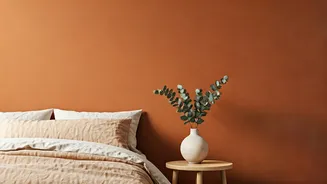
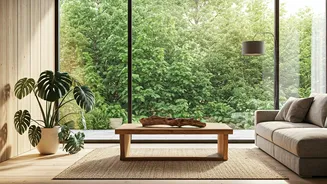
Your new terracotta accent wall is a statement piece, but it’s also a versatile backdrop. To complete the organic, earthy look, pair it with furniture in light wood tones like oak, mango, or ash. Crisp white or cream-coloured bed linens will create a beautiful contrast and make the warm terracotta pop. Introduce other natural textures through jute rugs, woven baskets, or macramé wall hangings. Indoor plants with lush green foliage, like snake plants or fiddle-leaf figs, will look stunning against the reddish-brown wall. For hardware and lighting, consider brushed brass or matte black finishes, which add a touch of modern elegance without clashing with the rustic feel.