






The Scale of India's Dairy Dominance
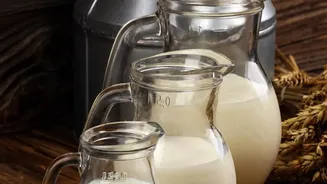
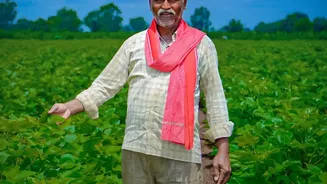
India is the undisputed global leader in milk production, accounting for about a quarter of the world's total output. The sector is a cornerstone of the rural economy, providing a crucial source of income for over 80 million farmers, many of whom are
smallholders. With an output of approximately 239 million tonnes in 2023-24, the dairy industry is not just about impressive statistics; it's woven into the fabric of Indian culture, cuisine, and nutrition. This success story, however, is becoming increasingly vulnerable to the unpredictable effects of climate change.
How Heat Stresses a Cow
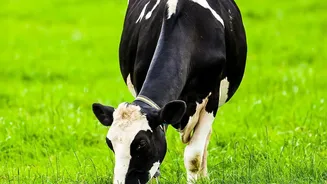
Cattle, especially high-yielding crossbred varieties like Holstein-Friesian and Jersey crosses, are sensitive to heat. Their ideal temperature range is relatively narrow, and once the Temperature-Humidity Index (THI) rises, they begin to experience heat stress. An animal under heat stress will eat less to reduce its metabolic heat production. It will also divert energy toward thermoregulation—panting and sweating to cool down—instead of using that energy for producing milk. This can lead to a drop in milk yield of anywhere from 10% to 30%, and in severe cases, even more. The stress also impacts the quality, reducing the fat and protein content that determines the price a farmer receives.
The Economic Ripple Effect
For a farmer, lower milk yield directly translates to lower income. During periods of extreme heat, many report having to spend more on cooling systems, specialized feed, and veterinary care to manage the effects. The impact isn't confined to the farm gate. A sustained drop in production can tighten the overall supply. Studies have warned that unmitigated climate change could reduce milk production significantly by 2085. This threatens not only the livelihoods of millions but also risks raising the prices of essential dairy products like milk, ghee, paneer, and yoghurt for consumers across the country.
A Compounded Threat: Heat and Disease
Extreme heat does more than just reduce milk output; it also weakens an animal's immune system. This makes them more susceptible to diseases. In recent years, India has battled outbreaks of Lumpy Skin Disease (LSD), a viral infection spread by insects like flies and mosquitoes. The warm, humid conditions exacerbated by climate change can create a favorable environment for these vectors to thrive. A heat-stressed animal with a compromised immune system is less able to fight off such infections, creating a dual threat for farmers who risk losing their cattle entirely, not just a portion of their milk production.
The Search for Climate-Resilient Dairying
The good news is that the challenge is not going unanswered. Farmers and scientists are exploring a range of solutions to build resilience. Simple, low-cost measures include ensuring ample shade, providing a constant supply of clean drinking water, and installing sprinklers and fans in cattle sheds to help with evaporative cooling. Adjusting feeding times to cooler parts of the day can also encourage animals to eat. Looking ahead, a critical focus is on breeding. Indigenous Indian cattle breeds, like the Gir and Sahiwal, are known to be more heat-tolerant than their European counterparts. Promoting these native breeds and investing in research for thermo-tolerant crossbreeds are seen as vital long-term strategies for sustaining India's dairy sector in a warmer world.