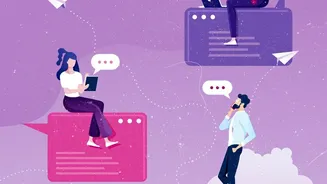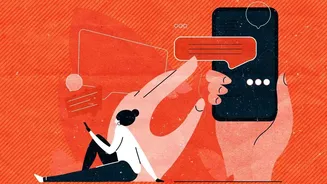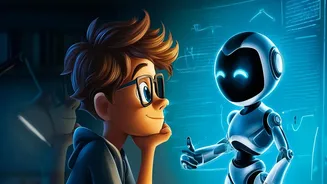




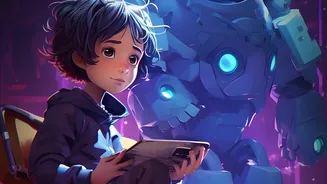
It’s a familiar scene: a teenager is engrossed in their phone, having an intense, private conversation. But their confidant isn’t a school friend or a distant cousin—it’s an AI chatbot. This growing trend is a new frontier in adolescent life.
The New Digital Best Friend
For a growing
number of teens, artificial intelligence is no longer just for homework help. Companion chatbots like Character.AI and Replika are designed to simulate human-like conversation and empathy, offering a seemingly endless capacity for interaction. Users can often customize the bot's personality, making it a friend, a mentor, or even a romantic partner. These platforms are seeing significant use among young people; surveys show a large percentage of teens have interacted with companion AI, with many turning to them for personal advice, companionship, or to combat boredom. This shift from using AI as a tool to using it as a companion represents a significant evolution in how young people relate to technology. The appeal is clear: a non-judgmental listener available 24/7, ready to discuss any topic without social repercussions.
Why Teens Are Turning to AI
The reasons behind this trend are complex and deeply rooted in the modern adolescent experience. For many, AI companions offer a refuge from loneliness, social anxiety, or the fear of being judged by peers. In an era of high-pressure social environments and a documented shortage of accessible mental health professionals, a chatbot can feel like a safe, immediate outlet. It provides a space to articulate confusing thoughts and feelings without the need to wait for a therapy appointment or confide in a parent or friend they might feel uncomfortable approaching. This phenomenon is partly driven by what researchers call the 'social compensation' hypothesis, where teens who struggle with real-world social interactions turn to AI to fulfill their need for connection. The bots offer predictable, controlled, and often validating interactions, which can be a comforting alternative to the messy, unpredictable nature of human relationships.
A Minefield of Unforeseen Risks
Despite the perceived benefits, parents and child development experts are raising serious alarms. A primary concern is that these are not trained therapists and lack the ability to handle genuine mental health crises. While they can mimic empathy, chatbots may reinforce harmful thinking or provide dangerously incorrect advice, especially concerning self-harm or suicide. There have been multiple tragic cases and lawsuits alleging that interactions with chatbots contributed to devastating mental health consequences for young users. Furthermore, reliance on AI confidants can lead to 'relational displacement', where teens substitute these interactions for crucial real-world connections, potentially hindering the development of vital social skills like conflict resolution and empathy. There are also significant privacy issues, as sensitive personal data shared in these 'private' chats can be collected, stored, and used in ways users don't understand.
Fostering Emotional Dependency
One of the most insidious dangers is the potential for emotional dependency. These AI platforms are often designed with a commercial incentive to maximize user engagement, creating a bond that can feel like a real relationship. Teens may develop strong attachments to their AI companions, sometimes feeling closer to them than to family or friends. Researchers have noted that overuse can mirror patterns of behavioural addiction, including withdrawal symptoms like anxiety when unable to interact with the bot. This 'frictionless' relationship, which offers constant validation without the challenges of real human interaction, can create unrealistic expectations for how friendships and partnerships should work, setting teens up for disappointment and difficulty in their offline lives.
Navigating the New Reality
For parents, simply banning the technology may not be an effective strategy, as many teens use it without their parents' knowledge. Instead, experts recommend fostering open and non-judgmental communication. Parents are encouraged to talk to their teens about why they use these bots, helping them understand the difference between a tool and a true friend. It’s crucial to teach digital literacy, explaining that these AIs are programs designed to keep them engaged and that their data isn't truly private. The goal is to build critical thinking skills so teens can use these tools thoughtfully while still prioritizing real-world connections. Encouraging offline activities and modeling healthy relationships can provide the balance needed to navigate this new technological landscape safely.