





A Celebration of Agricultural Heritage
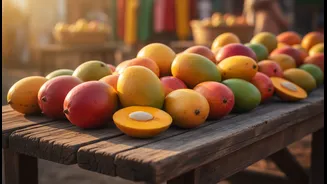
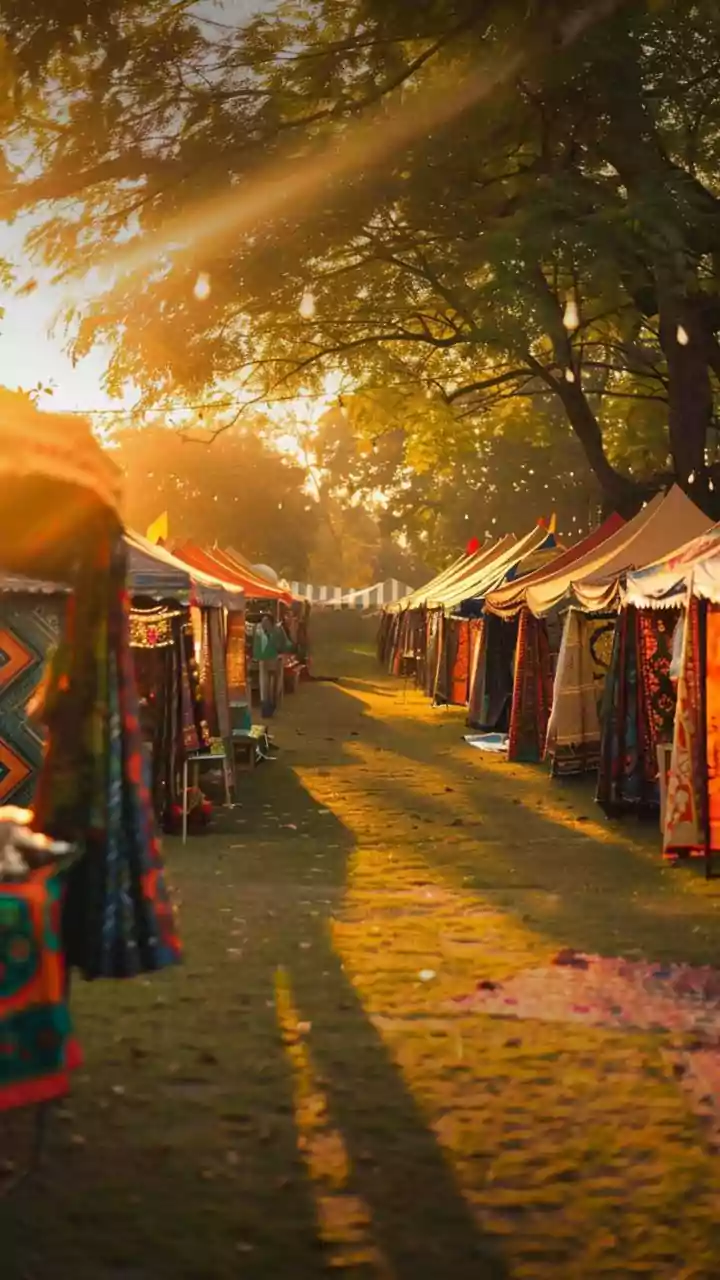
Mango festivals, held in cities like Delhi, Lucknow, and across states like Maharashtra and West Bengal, are vibrant cultural events. They are a sensory overload in the best way possible, featuring hundreds of mango varieties, cooking competitions, cultural performances,
and the joyful chaos of thousands of visitors. These events are more than just a market; they are a celebration of India's profound connection to the "king of fruits," a relationship mentioned in ancient texts and woven into the fabric of community life. They serve as a modern-day evolution of traditional harvest celebrations, where communities once gathered to give thanks for the season's bounty. Today, organised by state tourism and agricultural bodies, these festivals act as a crucial link between urban consumers and the heart of India's agricultural landscape.
Preserving a Library of Flavours
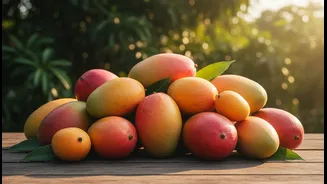
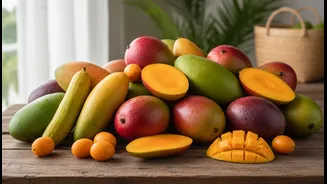
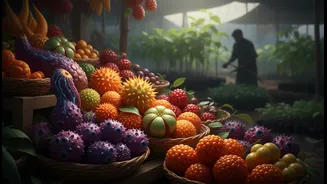
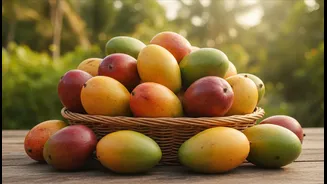
In an agricultural landscape increasingly dominated by a few commercially popular mango types, these festivals play a vital role in preserving food biodiversity. They act as living libraries, showcasing hundreds of indigenous and heirloom varieties that might otherwise vanish. Farmers get a platform to display unique, non-commercial mangoes, each with its own distinct taste, texture, and history. Events in Haryana have showcased over 200 varieties, while fairs in Karnataka have featured up to 500. This exposure is critical. It reminds consumers that the world of mangoes extends far beyond the familiar Alphonso or Dasheri, encouraging a market for rarer types. By celebrating diversity, festivals create an incentive for farmers to continue cultivating traditional varieties, which are often more resilient to local pests and climate stress, safeguarding a genetic heritage developed over centuries.
Empowering the Farming Community
For small-scale farmers, mango festivals are a powerful economic tool. They create a direct-to-consumer (D2C) marketplace, allowing growers to bypass intermediaries and retain a much larger share of the profits. In a traditional supply chain, middlemen can absorb a significant portion of the final price, leaving farmers with thin margins. Festivals eliminate this, enabling farmers to set their own prices and connect directly with their customers. This direct interaction is invaluable; it provides immediate feedback and helps farmers build a reputation and a loyal customer base. Some festivals are specifically organised to support small producers and women in agriculture, providing a crucial boost to rural economies. This model is part of a larger push towards empowering farmers to become entrepreneurs, giving them control over their brand and pricing.
The Sweet Spot for Regional Travel
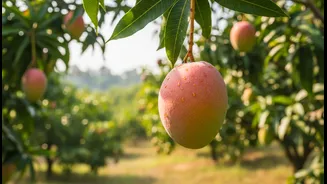
Mango festivals are increasingly becoming a cornerstone of agritourism in India. State tourism boards actively promote these events to attract visitors, creating a niche travel opportunity that combines food, culture, and nature. This form of tourism, sometimes called 'mango tourism', invites travellers to visit orchards, participate in picking, and immerse themselves in the local culture surrounding the harvest. The economic benefits ripple through the local community. Visitors spend on accommodation, transport, and other local goods and crafts, not just mangoes. From the Konkan Coast's Alphonso orchards to the Dasheri groves of Malihabad, these festivals transform mango-growing regions into seasonal travel hotspots, offering an authentic taste of India's rich agricultural life and driving sustainable development in rural areas.