



The New Urban Exodus
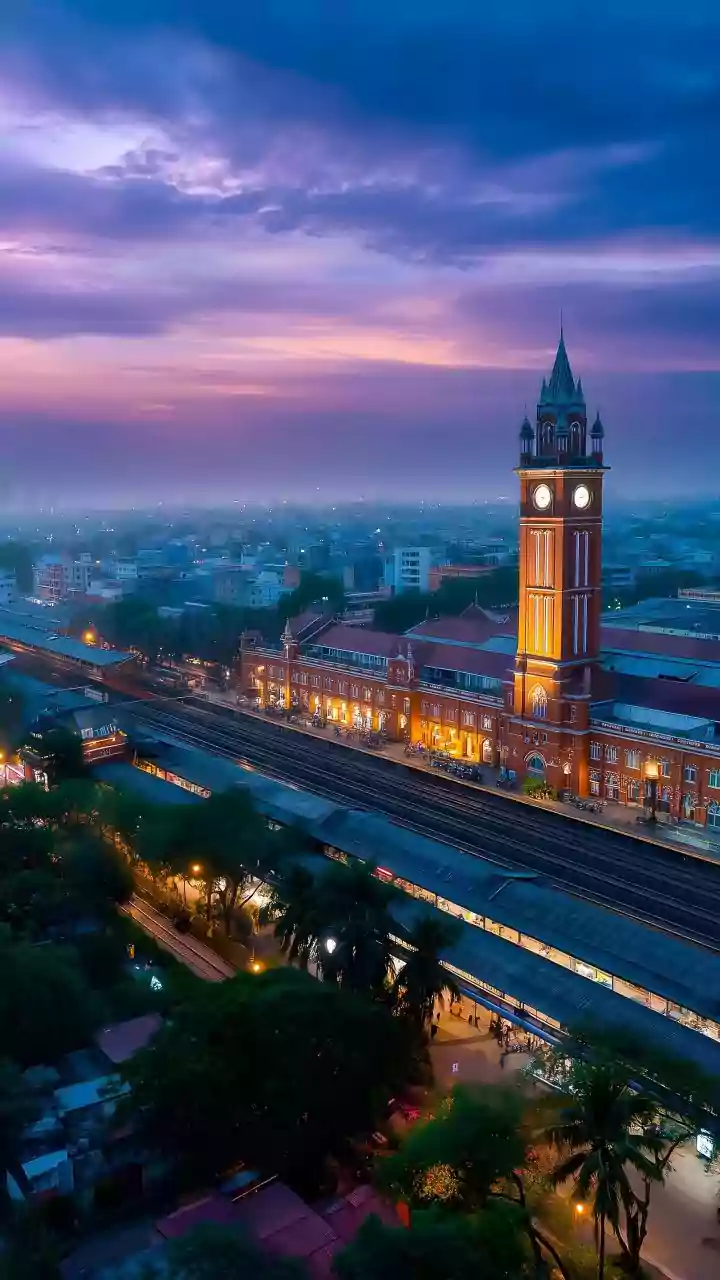
For decades, the story of modern India was one of unidirectional migration: from village to city, in pursuit of opportunity. Metros like Mumbai, Delhi, and Bengaluru were magnets for ambition. But a quieter, counter-narrative is now taking shape. A growing
number of young professionals — designers, coders, writers, and consultants — are choosing to leave the city behind. This isn't a holiday; it's a lifestyle experiment. Dubbed 'exploratory tourism', this trend involves moving to a smaller, often non-traditional town for an extended period, blending work and leisure in a way that prioritizes well-being over the relentless pace of urban life. The catalyst was the widespread adoption of remote work, which decoupled productivity from a physical office and gave many the freedom to ask a new question: if you could work from anywhere, where would you truly want to live?
From Workation to 'Slow Living'
What began as the 'workation' — a short trip combining work and travel — has evolved into something more profound. Stays are getting longer, shifting from a few days to several weeks or even months. Platforms like Airbnb and Vrbo report a boom in demand for long-term rentals in non-metro locations, complete with amenities like high-speed Wi-Fi and dedicated workspaces. This shift reflects a deeper desire for what many call 'slow living'. It's a conscious move away from the 'checklist tourism' of visiting crowded landmarks. Instead, these exploratory tourists seek immersion. They want to become temporary locals, frequenting the neighbourhood cafe, discovering hidden trekking paths, and building a genuine connection with the place and its community. It's less about escaping life and more about finding a different, more sustainable rhythm for it.
The Allure of the Offbeat
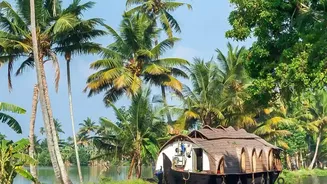
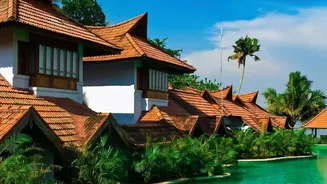
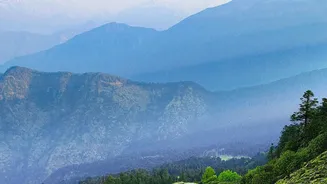
So, where are they going? The destinations of choice are often towns that fly under the mainstream tourist radar. While Goa remains a perennial favourite for its blend of beach life and robust infrastructure, many are looking further afield. The serene mountain towns of Himachal Pradesh and Uttarakhand, such as Jibhi and Rishikesh, are popular for their tranquil atmosphere and natural beauty. In the south, the backwaters of Kerala, coastal villages near Gokarna, and hill stations like Coorg offer a different kind of peace. Even a village in Sikkim has reportedly developed its infrastructure specifically to welcome digital nomads. The common threads are clean air, less traffic, a lower cost of living, and a sense of authenticity that many feel is lost in the urban grind.
A Two-Way Transformation
This migration is not without its complexities. For the small towns, the influx of young, affluent professionals brings undeniable economic benefits. Homestays, local cafes, and artisanal businesses are flourishing, creating jobs and injecting new life into local economies. However, this trend also presents challenges. The arrival of city dwellers can lead to a rise in rental prices and the cost of living, potentially straining resources and creating a new kind of social divide. The very authenticity that attracts newcomers is at risk of being diluted if development is unplanned and unsustainable. While many small towns are benefiting, there is a growing awareness that this growth must be managed carefully to avoid the pitfalls of over-tourism that have plagued more famous destinations, ensuring the 'peace' everyone is searching for doesn't become a victim of its own popularity.