
Why Our Old Playbook Is Failing
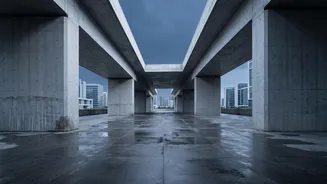
For decades, urban planning in India has followed a simple formula: pave, build, and drain. The goal was to move rainwater away as quickly as possible through concrete channels and to construct buildings that shelter us from the elements. But this approach
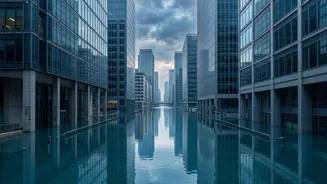
is no longer working. Unprecedented rainfall overwhelms drainage systems designed for historical patterns, while endless concrete and asphalt absorb and radiate heat, turning our cities into ovens. This phenomenon, known as the Urban Heat Island effect, can make cities 3–4°C warmer than their surrounding rural areas. The very materials we used to build our modern metropolises are now amplifying the dangers of a changing climate. The rapid, often unplanned expansion means we have built over natural buffers like wetlands, lakes, and floodplains that once absorbed excess water and cooled the air.
Fixing the Floods: Become a Sponge
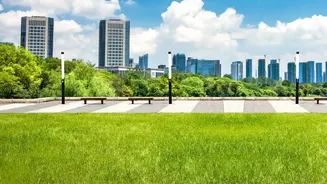
The single biggest challenge for many Indian cities is managing water. Instead of just channelling rainwater away, the solution is to treat it like a resource. This is the core idea behind 'Sponge Cities'. A sponge city is designed to absorb, clean, and store rainwater using nature-based solutions. This includes replacing impermeable concrete pavements with permeable materials that allow water to seep into the ground, recharging depleted groundwater tables. Other key elements are creating more green spaces like rain gardens, parks, and urban wetlands. These areas act as natural reservoirs, holding excess water during heavy downpours and releasing it slowly, which reduces the burden on conventional drainage systems. Cities like Chennai are already experimenting with 'sponge parks' that serve as recreational areas while also mitigating flood risks and lowering local temperatures.
Beating the Heat: Cool and Green
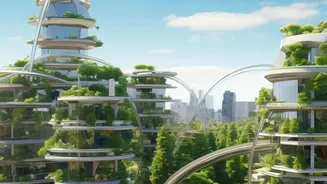
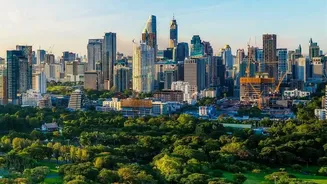
As heatwaves become more frequent and intense, tackling the Urban Heat Island effect is a matter of public health and economic stability. A simple yet highly effective solution is the use of 'cool roofs'. Painting roofs with light-coloured, reflective paint can lower roof temperatures by as much as 25°C and reduce indoor temperatures, decreasing the need for air conditioning. Another crucial strategy is expanding the urban green cover. Planting more trees along streets, in parks, and creating green belts provides shade and cools the air through a process called evapotranspiration. Integrating 'blue-green infrastructure' — a network of water bodies (blue) and green spaces (green) — creates interconnected cooling corridors throughout a city. Cities like Ahmedabad and Delhi have started incorporating these measures into their Heat Action Plans, recognising that green and cool surfaces are critical infrastructure.
Rethinking the Fundamentals
While targeted solutions like sponge parks and cool roofs are vital, they are only part of the answer. A true fix requires a fundamental shift in urban planning and governance. Master plans must be updated to integrate climate projections, regulating construction in vulnerable low-lying areas and protecting the few remaining natural ecosystems within city limits. Responsibility for services like drainage, water, and roads is often fragmented across multiple agencies, leading to a lack of coordination. Empowering urban local bodies with the funds, authority, and technical capacity for integrated planning is essential. Furthermore, our infrastructure, from power grids to public transport, needs to be built with resilience in mind. This means designing systems that can withstand shocks and recover quickly. It’s no longer enough to repair things after a disaster; we must build to anticipate them.