






A New Scientific Frontier
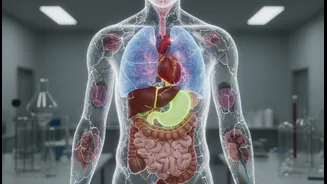
For centuries, medicine focused on fighting the diseases of old age—heart disease, cancer, dementia. This approach, while valuable, was like playing a game of whack-a-mole; curing one ailment often just made room for the next. Now, a new field called
geroscience is taking a different approach. Instead of treating individual diseases, it targets the primary risk factor for all of them: the biological process of ageing itself. The goal is not just to add years to life, but to add life to years.
Healthspan Over Lifespan
This marks a crucial shift in thinking, from lifespan to healthspan. Lifespan is simply how long you live. Healthspan, on the other hand, is the period of your life spent in good health, free from the burden of chronic disease and disability. Thanks to public health advancements, average lifespans have increased dramatically over the past century. However, healthspans have not kept pace, leading to more people living longer but in poor health. Geroscience aims to close this gap by delaying the onset of age-related decline, a concept known as the compression of morbidity.
The Science of 'Zombie' Cells
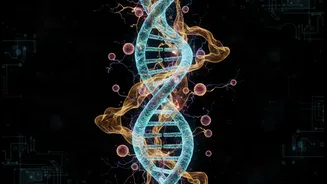
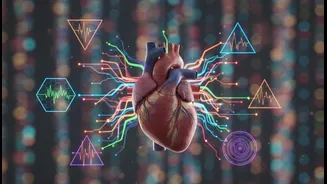
One of the key villains in the story of biological ageing is the senescent cell. These are damaged, dysfunctional cells that stop dividing but refuse to die, earning them the nickname 'zombie cells'. As we get older, these cells accumulate and secrete a cocktail of inflammatory molecules that damage surrounding healthy tissues, contributing to a wide range of age-related diseases. Scientists are now developing a class of drugs called senolytics, which are designed to selectively find and destroy these senescent cells. By clearing out this cellular debris, researchers hope to improve tissue function and fight diseases from osteoporosis to certain aspects of cardiovascular ageing.
Your Biological Age Isn't Fixed
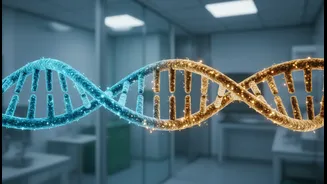
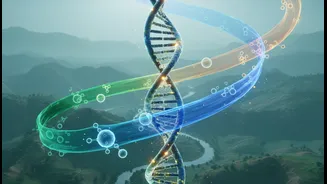
Perhaps the most empowering discovery is that your chronological age—the number of candles on your cake—is not the only number that matters. Your biological age, which reflects the health of your cells and tissues, is a more accurate predictor of health and longevity. Scientists can now estimate this biological age using 'epigenetic clocks', which measure age-related chemical modifications to your DNA. A positive 'age acceleration' suggests you are ageing faster than your years. The exciting news is that this is not set in stone. While genetics play a part, lifestyle factors like diet, exercise, and stress have a significant impact on biological age. This means the choices you make every day can influence how quickly, and how well, you age.
The Future of Ageing is Proactive
The insights from geroscience are moving ageing from a passive experience to a proactive one. We now have evidence that lifestyle interventions can genuinely impact the ageing process at a cellular level. Studies show that a healthy diet and regular physical activity are associated with a slower pace of biological ageing. In the near future, this may be supplemented by emerging therapies like senolytics or other interventions that target specific hallmarks of ageing. The story is no longer one of waiting for disease, but of actively promoting health and resilience throughout our lives.