







The Simple Answer Is Not So Simple
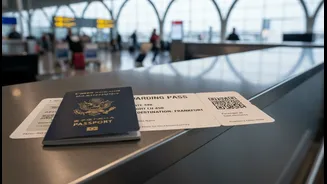
The straightforward answer to whether biometrics are collected before or after landing is: it depends. The process varies significantly based on your destination country, your nationality, and even the airline you're flying. In many cases, you might encounter
biometric checks at multiple points in your journey—from the visa application process long before your trip, to your departure airport, and again at immigration upon arrival. Understanding this system is key to a smoother travel experience.
The Pre-Travel and Departure Process
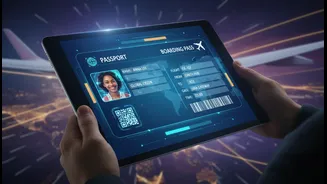
For many travellers, the first encounter with biometrics happens well before reaching the airport. When applying for a visa to countries like the United Kingdom or the Schengen Area nations, you are typically required to provide fingerprints and a photograph at a visa application centre in your home country. This data is then linked to your visa. Additionally, systems like India's Digi Yatra are changing the departure process. Digi Yatra uses facial recognition as a boarding pass, requiring passengers to register their Aadhaar-verified face and travel details on an app before their flight. This allows for seamless, paperless passage through airport checkpoints in India, essentially a biometric check before you even board the plane.
The On-Arrival Immigration Check
For many non-citizens, the most prominent biometric collection occurs after landing, at the destination country's immigration control. The United States, for instance, has a comprehensive biometric entry-exit program. Upon arrival, foreign nationals are typically photographed, and this image is compared against their passport or visa photo. In some cases, fingerprints are also collected. Similarly, the European Union has been rolling out its automated Entry/Exit System (EES). For non-EU nationals visiting the Schengen Area, this system captures facial images and fingerprints on their first entry, replacing the manual stamping of passports. This data is then stored to track entries and exits, ensuring compliance with the 90-day stay rule. Refusal to provide this data will result in denied entry.
Biometrics on Departure
The process doesn't always end upon arrival. A growing number of countries are also implementing biometric exit checks. The U.S. now requires photographs of all non-citizens upon departure to accurately record when they leave the country and identify visa overstayers. This is often done via facial recognition cameras at the boarding gate. The EU's EES also functions as an exit system, digitally logging a traveller's departure when they leave the Schengen Area. These systems are designed to create a comprehensive record of a person's entry and exit, enhancing security and immigration enforcement.
Why Is This Data Being Collected?
The primary drivers behind the global expansion of airport biometrics are security and efficiency. Governments use this data to verify a traveller's identity with high accuracy, preventing the use of fraudulent documents and identifying individuals with criminal records or prior immigration violations. For travellers, the intended benefit is a faster, more seamless airport experience. Automated e-gates that use facial recognition can process passengers much faster than manual checks by border officers, reducing queue times. Systems like Digi Yatra in India and Global Entry in the U.S. are built on this premise of trading biometrics for convenience.
What Rights Do Travellers Have?
Your rights regarding biometric collection depend heavily on your citizenship status and location. In most cases, as a foreign national seeking entry into another country, you have limited rights to refuse. As made clear by the policies for the U.S. and the EU's EES, refusal to provide biometrics will lead to denial of entry. However, for domestic travel or for citizens at their own border, the rules can be different. In the U.S., for example, American citizens can opt out of the facial recognition process used by both the Transportation Security Administration (TSA) and Customs and Border Protection (CBP), though they must then undergo a manual identity check. It's always wise to be aware of the specific policies of the country you are visiting.