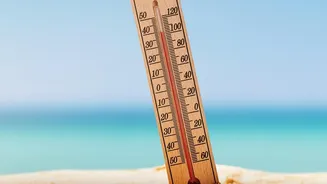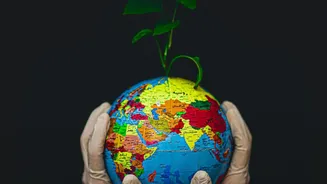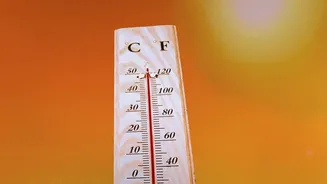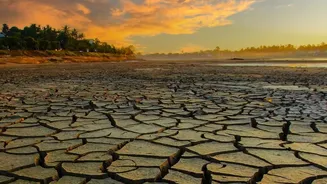




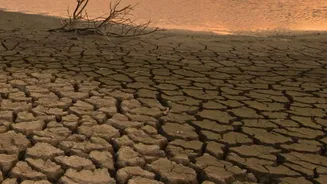
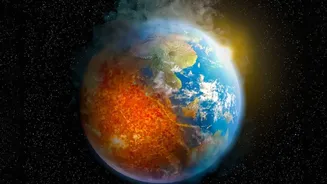
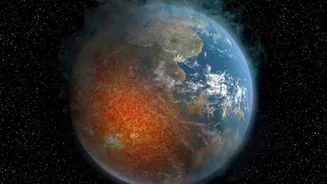
The world has run out of time to prevent a temporary breach of the critical 1.5°C warming limit, according to a stark new UN report. Due to decades of insufficient action, a temperature 'overshoot' is now seen as inevitable.
A Sobering Diagnosis from the UN
The latest United Nations Environment
Programme (UNEP) 'Emissions Gap Report' delivers a blunt assessment: the chance to limit global warming to 1.5°C without at least a temporary overshoot has been lost. The report, titled 'The Point of Return', concludes that years of inadequate progress on cutting greenhouse gas emissions have made it unavoidable that the planet's temperature will exceed this key threshold, which was the central ambition of the 2015 Paris Agreement. The conversation has now shifted from preventing the breach to minimising its length and severity. The goal is to limit the peak warming to between 1.7°C and 1.8°C and establish a credible path to bring temperatures back down by the end of the century.
The Promise-vs-Reality Gap
A central problem highlighted by recent UN reports is the vast chasm between what countries have promised and what they are actually doing. A separate 2026 UNFCCC synthesis report on national climate plans, known as Nationally Determined Contributions (NDCs), found that current pledges are 'substantially off track'. Even if all current national plans are fully implemented, they would only cut global emissions by about 6% to 9% below 2019 levels by 2035. To put the world on a path for the 'lowest possible' overshoot, those cuts would need to be around 60%. Specifically, the UNEP report calls for slashing emissions by 18% by 2030 and 45% by 2035 compared to 2025 levels. Many major economies lack the concrete policies needed to meet even their existing targets.
Why 1.5°C is Not Just a Number
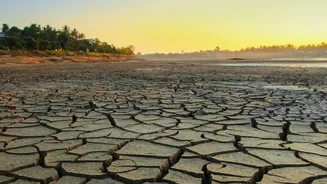
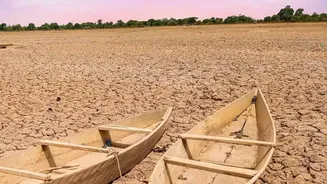
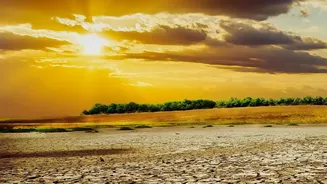
The 1.5°C target is not an arbitrary figure; it is a critical tipping point identified by scientists. Every fraction of a degree of warming beyond this point dramatically increases the risks of devastating and, in some cases, irreversible climate impacts. We are already witnessing the consequences of the current warming of about 1.2°C, with more intense heatwaves, floods, droughts, and wildfires plaguing nations worldwide. Exceeding 1.5°C, even temporarily, will accelerate sea-level rise from melting ice sheets, threaten water supplies as glaciers disappear, and risk the collapse of vital ecosystems like coral reefs. The economic costs are also staggering, with climate-related damages already costing the 55 most vulnerable economies over $500 billion in the last two decades.
Impacts for India
For India, a country highly vulnerable to climate change, the implications of a stalled global response are profound. The failure to curb emissions globally means India will face more extreme weather events, threatening its agricultural sector, water security, and coastal communities. A farmer in Vidarbha facing drought or a fisher on the Odisha coast confronting rising seas directly experiences the consequences of this global ambition gap. The situation puts immense pressure on India to balance its developmental needs, such as providing affordable energy and creating jobs, with the urgent necessity of adapting to a warmer world and contributing to a shrinking global carbon budget.
Is There Still a Path Forward?
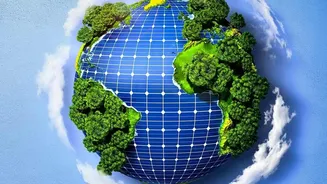
While the report's findings are grim, UN officials insist that it is not a message of surrender. Instead, it is a call for an immediate and radical acceleration of action. The focus must be on making the overshoot as short and shallow as possible. Key recommendations include tripling renewable energy capacity by 2030, rapidly phasing out fossil fuels, halting deforestation, and making deep cuts to other potent greenhouse gases like methane. There are some bright spots; the growth in renewable energy capacity has significantly exceeded expectations from a decade ago. However, progress in transitioning away from fossil fuels and stopping deforestation remains alarmingly slow. The coming years are critical to organise, finance, and deliver the transition that has been discussed for so long.