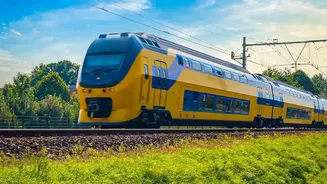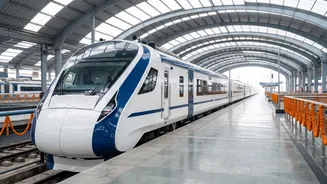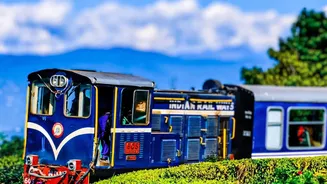





The annual scramble for Diwali train tickets is a familiar story for millions. But beyond the fully booked regular services lie the festival special trains. Here is your definitive guide to finding these extra trains and getting home for the festivities.
Monitor Official Announcements Like a Pro
Indian Railways doesn't announce all its festival special trains in one go. Instead, various railway zones release lists of new services throughout September and October, based on demand. To stay ahead, your first stop should be the official sources. Follow the X (formerly Twitter) handles of the main Indian Railways account and, more importantly, the zonal railways relevant to your route (e.g., Northern Railway, Central Railway). Press releases detailing new train numbers, schedules, and booking dates are posted here first. Bookings for these trains often open just a few weeks or even days before departure, so constant monitoring is key. Announcements for 2026 have already begun, with services announced for routes connecting major hubs like Delhi, Mumbai, Uttar Pradesh, and Bihar.
Master the IRCTC Website and NTES App
The IRCTC website and mobile app are your primary booking tools. When searching for trains, don't just look for your usual express service. Special trains often have numbers starting with '0' or '9'. Use the 'Find Trains' feature but be flexible with your dates; a day or two before or after the peak rush can make all the difference. For real-time information, the National Train Enquiry System (NTES) app is indispensable. It provides live train status, updated schedules, and information on cancellations or diversions. Passengers are consistently advised to use the NTES portal for the most accurate and up-to-date information before and during their journey.
Be Flexible with Stations and Dates
If your primary route is fully booked, a little flexibility can go a long way. Instead of searching for a train from a major terminus like New Delhi (NDLS), try searching from other major stations in the same city, such as Anand Vihar Terminal (ANVT). Similarly, consider booking a ticket to a major station near your hometown rather than the exact destination. The same logic applies to dates. The heaviest rush typically occurs in the two to three days immediately preceding Diwali. If your travel plans allow, shifting your journey by even 24 or 48 hours can significantly increase your chances of finding an available seat on either a regular or a special service.
Understand Your Last-Resort Options
If general and special train quotas are exhausted, you still have a few options, though they require speed and a bit of luck. The Tatkal quota opens one day in advance (10 a.m. for AC classes, 11 a.m. for non-AC), but seats vanish in seconds during the festive season. Premium Tatkal offers a better chance at a higher, dynamically priced fare. For both, having passenger details pre-saved in your IRCTC 'Master List' and using a fast payment method like UPI is crucial. Another option is the VIKALP scheme, where waitlisted passengers can opt to be accommodated in any other train on the same route, though the boarding and destination stations might be different.
Look Out for 'Clone' Trains
On extremely high-demand routes, Indian Railways sometimes operates 'clone' trains. These are duplicate services that run shortly after a scheduled train with the same number, specifically to accommodate waitlisted passengers of the original train. These are primarily 3AC trains and will have fewer stops than the parent train to ensure a quick journey. Passengers on the waiting list are automatically considered for these trains, and they receive an update on their PNR status about four hours before the original train's departure. While not announced far in advance, this scheme can be a welcome surprise for those stuck on a long waitlist.