





The Forgotten Green Skill
We talk a lot about green living. We dutifully separate our waste, carry reusable bags, and switch to bamboo toothbrushes. These are all good, necessary steps. But they mostly happen at the end of a product’s life. The most powerful green skill isn’t
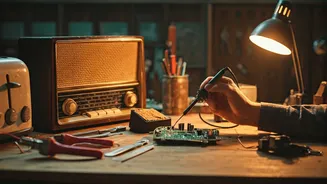
about better disposal; it’s about preventing disposal in the first place. It’s the art of repair. Repair is the quiet, humble, and radical act of mending, fixing, and restoring what is broken. It’s a skill our grandparents knew intimately, born from necessity and a respect for their possessions. In our world of one-click shopping and next-day delivery, we have been conditioned to see broken items not as a puzzle to be solved, but as garbage-in-waiting. Learning to repair flips that script entirely. It challenges the very foundation of our throwaway culture, making us active participants in the lifecycle of our belongings rather than just passive consumers.
The True Cost of 'New'
Every time we toss a glitchy phone or a T-shirt with a small hole, we contribute to a global crisis. The textile industry, for example, is a colossal polluter, and a huge percentage of clothing is discarded after only a few wears. These garments clog our landfills for centuries, leaching dyes and microplastics into the soil and water. It’s a similar story with electronics. The global mountain of e-waste grows every year, filled with valuable materials that are difficult to recover and toxic substances that pose a serious environmental hazard. In India, this problem is visible in the overflowing landfills on the outskirts of our cities. While recycling programmes are essential, they can’t keep up with the sheer volume of consumption. Repair intervenes at the source. Fixing a charging port on a phone prevents a complex piece of technology from becoming hazardous waste. Mending a tear in a pair of jeans prevents the 2,700 litres of water it took to make them from going to waste.
More Than Just Saving Money
The economic case for repair is obvious. Fixing something is almost always cheaper than buying a replacement. But the benefits run much deeper. There is a profound sense of satisfaction and empowerment that comes from fixing something with your own hands. It’s a small victory against the entropy of the universe, a declaration that you have agency and competence. This process is also a form of mindfulness. In a world of constant digital distraction, the focused, tactile work of mending a seam or diagnosing a faulty connection can be incredibly calming. It forces you to slow down, observe, and problem-solve. It reconnects you to the physical world and the objects you own, transforming them from disposable commodities into cherished items with a history—a history that you are now a part of. It’s a quiet rebellion against the planned obsolescence that companies build into their products.
Your First Steps into Mending
The idea of repairing a complex electronic device can be intimidating, but you don’t have to start there. The journey of a thousand repairs begins with a single fix. Start small. Learn to sew a button back onto a shirt—it’s a five-minute task that can save a favourite garment. Progress to patching a small hole or hemming a pair of trousers. For electronics, begin with simple swaps, like replacing the battery in a remote control or a watch. The internet is your greatest ally. YouTube has millions of free, step-by-step video tutorials for almost any repair imaginable, from fixing a zipper to replacing a cracked phone screen. Don’t forget the experts in your own community. Seek out the local tailor, the neighbourhood electronics repair shop, or the cobbler. Watching them work, or even just having a conversation, can demystify the process and build your confidence. These small businesses are the backbone of a true circular economy.