





What’s Driving the Great Migration?
Several powerful forces are converging to rewrite India's tourism map. The post-pandemic world has left travellers with a deep-seated desire for open spaces and less crowded experiences. This, combined with the rise of remote and hybrid work models, has given
birth to the 'workation' or 'bleisure' trend, where professionals blend business with leisure, often for extended stays. Digital connectivity has made this possible, with improved 4G/5G networks and better roads making smaller towns more accessible than ever. A 2026 report noted a significant rise in intercity travel, largely fuelled by improved road infrastructure. Furthermore, social media has transformed from a platform for showcasing popular spots to a tool for discovering hidden gems, with influencers and travellers alike championing authentic, off-the-beaten-path journeys. This shift is also supported by a massive expansion in infrastructure; India has nearly doubled its number of operational airports in recent years, opening up previously hard-to-reach regions.
The Search for Something Real
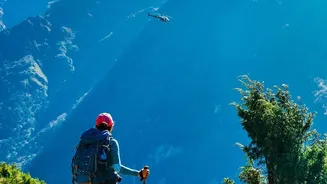
Today’s Indian traveller is increasingly sophisticated. They are trading the over-commercialized, 'seen-it-all' vibe of major tourist hubs for something more genuine. It’s a move away from passive sightseeing towards active, immersive experiences that offer a real connection to local culture, cuisine, and traditions. This evolving preference is part of a broader behavioural shift noted by India's Culture and Tourism Minister, who stated that the expanding middle class is now prioritising travel and experiences over traditional savings. This new mindset is especially prevalent among younger demographics like Gen Z and Millennials, who seek personal growth, mental wellness, and unique stories to tell. The result is a boom in what some are calling 'micro-tourism'—short, frequent trips to nearby, lesser-known locations. Travel platforms are seeing bookings for such getaways skyrocket, often made just a week or two in advance.
The Rise of Spiritual and Wellness Hubs
One of the most significant trends within this movement is the explosive growth of spiritual and wellness tourism. Cities that were once viewed primarily as pilgrimage sites are now rebranding as holistic wellness destinations. Travellers are flocking to places like Rishikesh, Dharamshala, and Varanasi not just for religious purposes, but for yoga retreats, meditation, and Ayurvedic therapies that promise to heal mind, body, and spirit. The Indian wellness travel market is projected to grow significantly, reaching an estimated US$43.76 billion by 2031. This demand is being driven by a desire to disconnect from a hectic, digitally overloaded world and find inner peace. The trend is so pronounced that the hospitality industry is responding with 'faith-intelligent' hotels designed to cater specifically to the needs of the spiritual traveller, offering more than just a room but an experience that complements their journey.
Spotlight on Emerging Cities
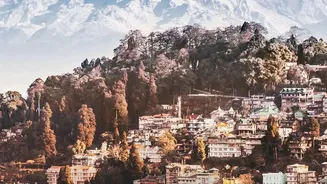
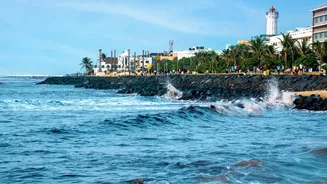
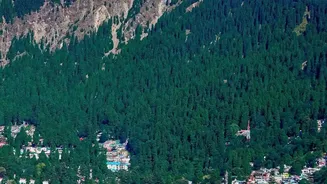
This decentralization of tourism is bringing a host of Tier-2 and Tier-3 cities into the limelight. For instance, accommodation searches for destinations like Dharamshala and Uttarkashi have seen remarkable growth, indicating a preference for slower, nature-focused holidays. Beyond the hills, cities across the country are benefitting. Corporate travel is also pivoting, with nearly 60% of business-related bookings now involving non-metro locations, particularly in manufacturing hubs. This influx of both leisure and business travellers is creating a ripple effect. It's not just about hotel bookings; the demand for foreign currency in Tier-2 and Tier-3 cities now accounts for over half of the national total, signalling a broad-based economic shift. This trend supports local economies, promotes a more even distribution of tourism revenue, and encourages sustainable practices that help preserve the unique character of these rising destinations.