




A World Without an Atmosphere
On Earth, a footprint left on a sandy beach or in dusty soil is temporary. Wind will blow it away, and rain will wash it clean. These simple acts of erosion are driven by our planet's weather, which is a product of its thick, dynamic atmosphere. The Moon,
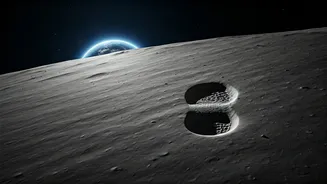
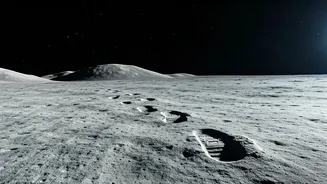
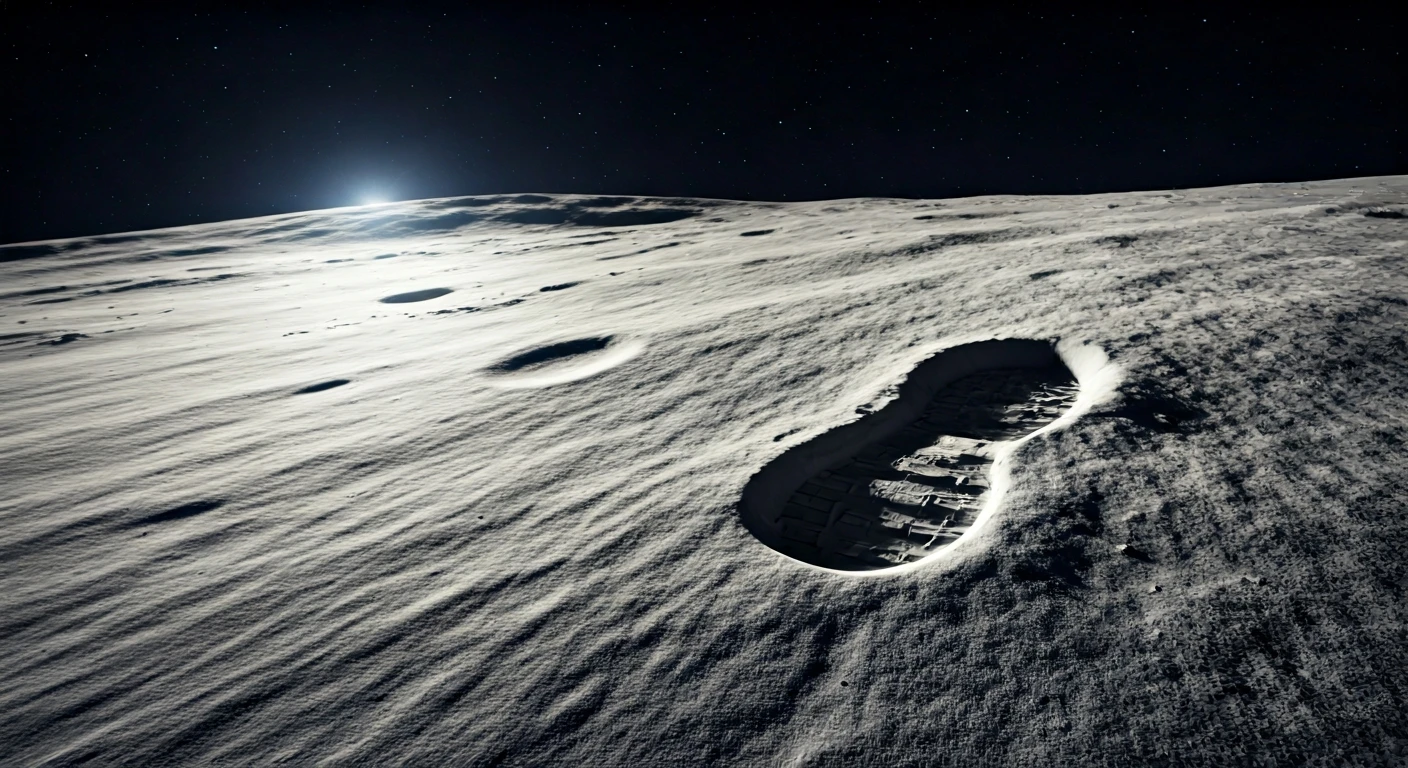
however, has no such protection. It is, for all practical purposes, in a vacuum. Its atmosphere is so thin—about 10 trillion times less dense than Earth's—that it's technically called an 'exosphere'. Without a significant atmosphere, there is no air to move. This means there is no wind to scatter dust, no rain to wash away impressions, and no clouds to shield the surface. The silence is absolute, and the stillness is eternal. This fundamental difference is the primary reason why the marks of human exploration remain exactly as they were left.
The Peculiar Nature of Lunar Soil
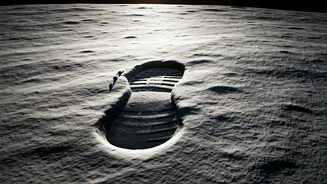
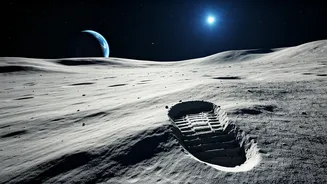
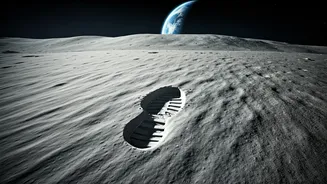
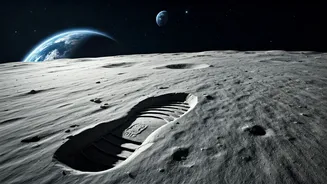
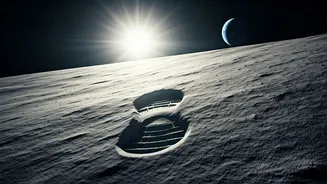
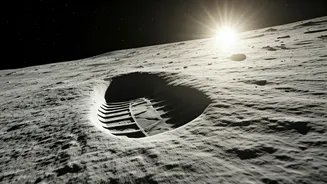
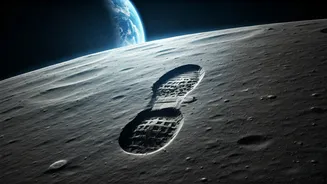
The material the astronauts stepped on isn't soil in the way we understand it. It’s called regolith, a blanket of fine, grey dust and broken rock fragments covering the entire lunar surface. This material was created over billions of years by the relentless bombardment of micrometeorites. Unlike sand on Earth, whose grains are worn smooth by wind and water, lunar regolith particles are sharp, jagged, and interlocking. Think of microscopic shards of glass. When an astronaut’s boot pressed down, these angular particles were compacted and locked together, holding the detailed tread pattern with incredible fidelity. The lack of moisture and organic material means there's nothing to cause the impression to slump or decay from within. It’s the perfect medium for creating a long-lasting cast.
The Slow Agents of Erasure
While the headline's spirit is true, 'fully unchanged' isn't the complete picture. The footprints are not being eroded by weather, but they are subject to an incredibly slow process of degradation. The same force that created the regolith—micrometeorite impacts—continues today. The Moon's surface is constantly pelted by a fine shower of space dust. Each tiny impact acts like a microscopic sandblaster, slowly softening the sharp edges of the footprints over immense timescales. This process is known as 'space weathering'. Additionally, the surface is constantly bathed in solar wind and cosmic radiation, which also contribute to the very slow breakdown of surface features. However, these forces are incredibly weak compared to Earth's weather.
A Monument for Millions of Years
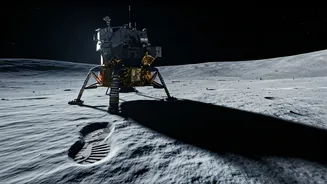
So, how long will they last? Scientists estimate that the Apollo footprints will remain recognisable for millions of years. The rate of erosion from micrometeorites is estimated to be about 1-2 millimetres every million years. Given that the bootprints are a few centimetres deep, they are in no danger of disappearing anytime soon. They will long outlast any monument ever built on Earth. A direct hit by a larger meteorite is the only thing that could obliterate one of the landing sites in an instant, but the odds of that are astronomically low. For all intents and purposes, these footprints are among the most permanent structures humanity has ever created. They are silent testaments, preserved by the very void that makes the Moon so different from our world.