






The Golden Rule: Declutter First
Before any new storage solution is considered, a ruthless edit is non-negotiable. The goal isn't just to make space, but to simplify your life. A popular method is to sort every item into one of four boxes: Keep, Donate, Store, or discard. Be honest about
what you truly wear. If an item hasn't been worn in a year, it's likely just occupying prime real estate. This initial step is the foundation of a smarter wardrobe; without it, you're merely organizing clutter. Grouping clothes by occasion rather than just type can also prevent the weekly mess that comes from searching for the right outfit.
Think Vertically, Not Just Horizontally
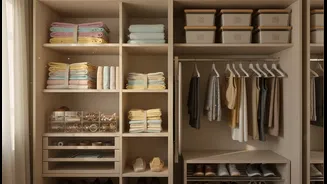
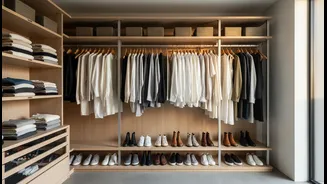
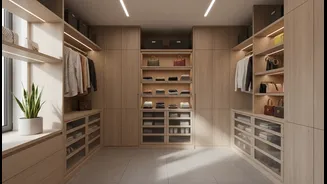
In small Indian homes, floor space is a luxury. The most effective strategy is to utilize vertical space. Instead of standard wardrobes that leave a gap below the ceiling, consider floor-to-ceiling units. This upper loft area is perfect for stowing away seasonal items like heavy quilts, woollens, or suitcases that you only need occasionally. Inside the wardrobe, add stackable bins, fabric storage boxes that act like drawers, and hanging shelf organizers. These tools can double the usable space on a single shelf and help categorize items like t-shirts, accessories, or innerwear.
Smart Solutions for Renters
Renters face the unique challenge of needing solutions that are effective but not permanent. Freestanding modular units are an excellent choice as they can be dismantled and moved. Beyond that, think in terms of smaller, non-invasive additions. Over-the-door hooks and hanging organizers can hold everything from handbags to daily wear without a single nail. Tension rods can be installed inside wardrobes to create a second hanging level for shirts or folded trousers. Foldable fabric organizers are also ideal; they collapse flat when not in use and can be scaled up or down as your needs change.
Investment Pieces for Small-Home Owners
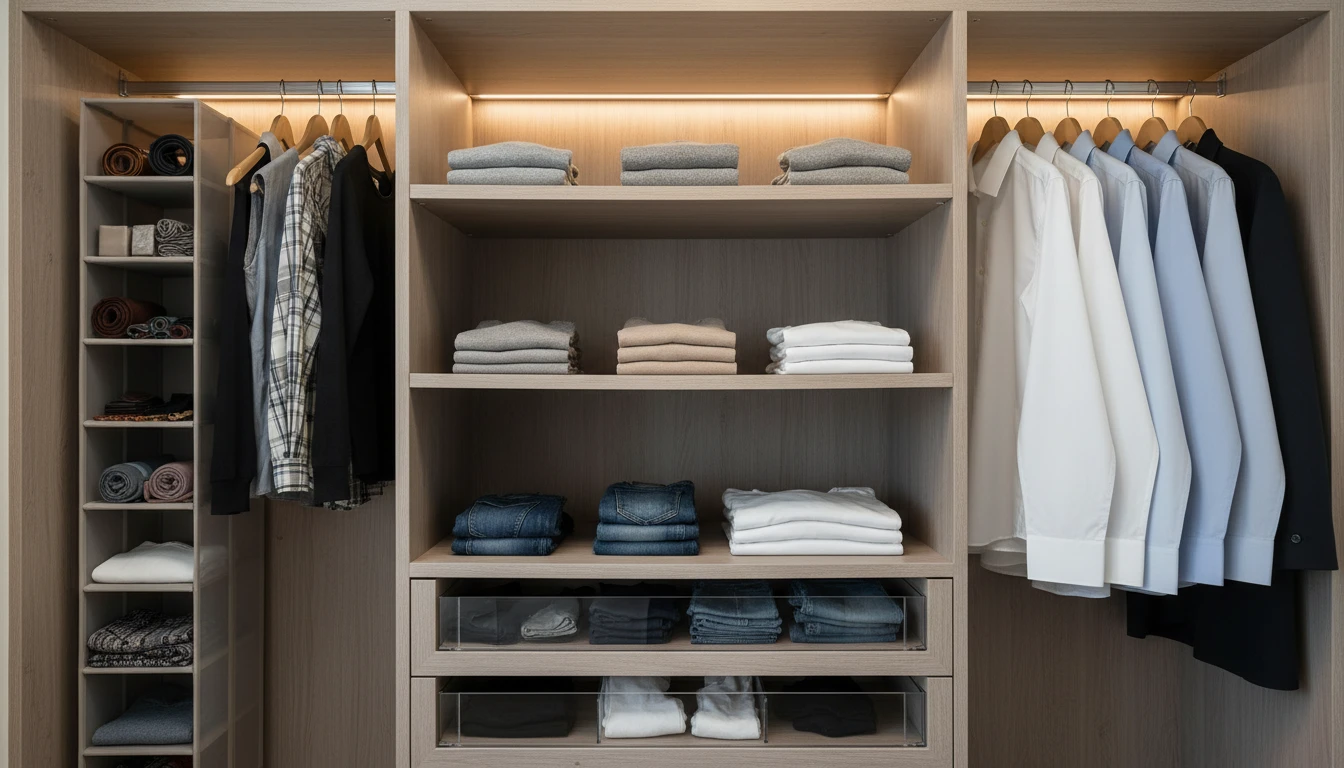
If you own your home, you can invest in more permanent, high-impact solutions. Modular wardrobes are a game-changer, allowing you to customize interiors with a mix of drawers, shelves, and hanging rods tailored to your specific clothing collection. Sliding door wardrobes are particularly effective in compact bedrooms, as they don't require clearance space for doors to swing open. Incorporating mirrors onto wardrobe doors is another classic trick that makes a small room feel larger and brighter by reflecting light.
Tackling the Family Wardrobe
For young families, the challenge multiplies with children's clothing, toys, and school items. The key is creating systems. Use clear-window boxes or labelled bins for different categories of kids' clothes, making it easier to find things. Fabric boxes that act as pull-out drawers are perfect for small items like socks, accessories, or innerwear that tend to get lost. Since children's needs change quickly, flexible storage is key. As they grow, adjustable shelves and modular components can be reconfigured. Grouping clothes by category (all woollens together, all daily wear together) rather than by person can also streamline the process of finding and putting away clothes for the whole family.
Managing Occasion and Seasonal Wear
Indian households have a wonderful but space-consuming collection of sarees, lehengas, and festive wear. These are often bulky and rarely used. The best strategy is to move them out of the primary wardrobe. Store these items in breathable fabric bags to protect them from dust. Vacuum-sealed bags are a brilliant solution for compressing bulky winter wear or blankets, allowing them to be stored under the bed or in the upper lofts of your wardrobe. Beds with hydraulic storage offer a vast, hidden space perfect for stashing these seasonal items, keeping your daily-use wardrobe free and accessible.