



The Countertop Crew: Always Room Temperature
Some produce items are best left out of the refrigerator entirely. Cold temperatures can damage their texture, dull their flavour, and halt the ripening process permanently. Tomatoes are a prime example; refrigeration makes them mealy and tasteless. Similarly,
potatoes, onions, and garlic should be stored in a cool, dark, and dry place like a pantry, but not the fridge. The cold, moist environment of a refrigerator can cause potatoes to turn sweet and gritty, and encourages onions and garlic to sprout or become mouldy. Whole melons like watermelon and cantaloupe also develop better flavour if left on the counter, though they should be refrigerated after being cut.
Ripen First, Then Chill
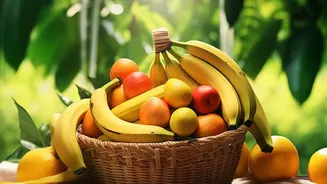
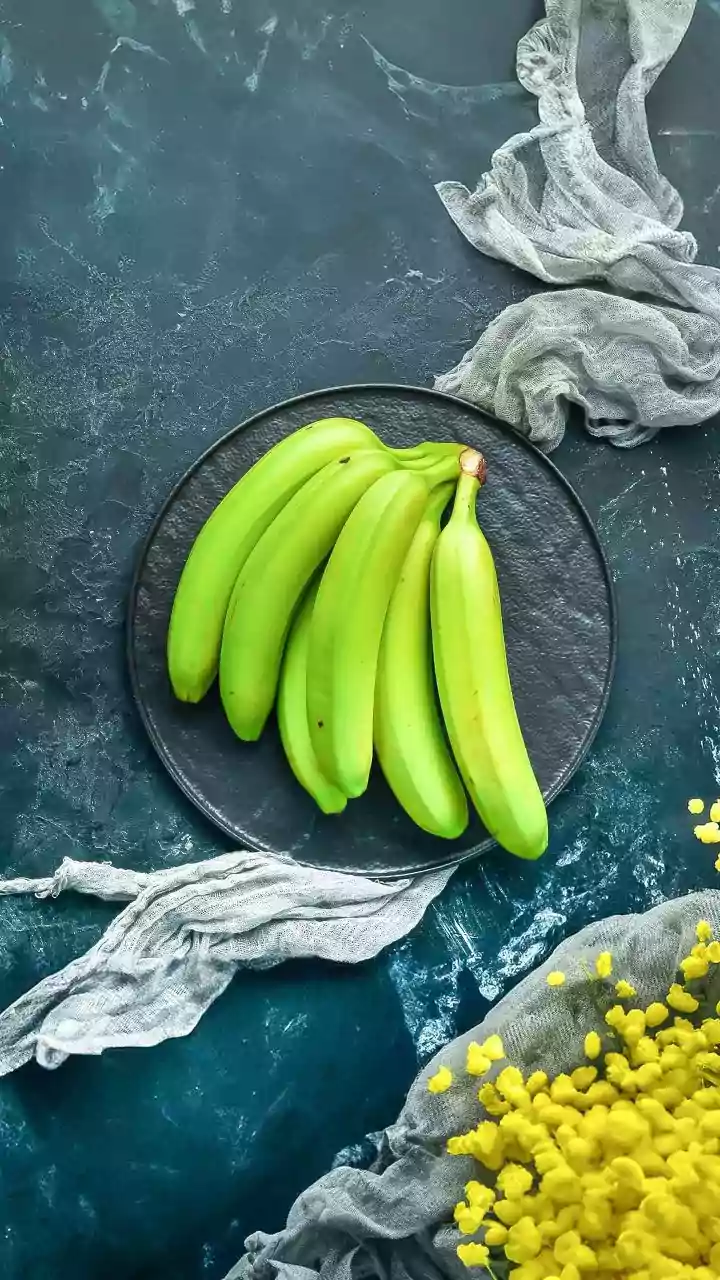
Many fruits are what experts call 'climacteric,' meaning they continue to ripen after being picked. This group benefits from a two-step storage process. Leave them at room temperature until they reach your desired ripeness, and then move them to the refrigerator to slow down the process and extend their life for a few more days. This category includes popular items like avocados, bananas, peaches, plums, nectarines, and pears. You can tell they are ripe when they yield slightly to gentle pressure near the stem and have a fragrant aroma. Bananas are a special case: while the cold will turn their skins black, the fruit inside remains edible and can be perfect for smoothies or baking.
Straight to the Fridge
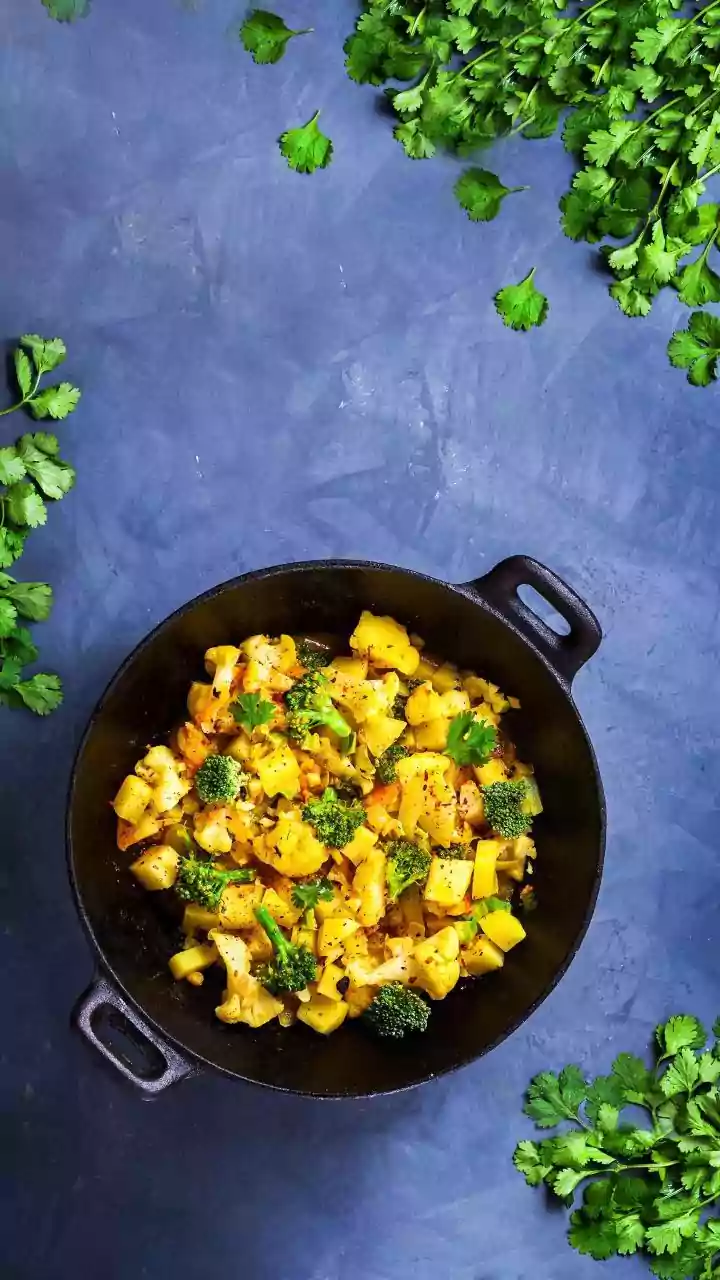
On the other end of the spectrum are the items that need to be refrigerated from the moment you get them home. This group includes most vegetables and berries. Delicate items like strawberries, raspberries, blueberries, and blackberries should be stored in the fridge in dry, covered containers to prevent mould and preserve their texture. It's best not to wash them until just before you're ready to eat. Leafy greens, broccoli, cauliflower, carrots, and green beans also belong in the crisper drawer to maintain their crispness and prevent wilting. Grapes and cherries should also be stored in the fridge in the bag or container they came in. For these items, the cold is essential for preservation from the start.
The Ethylene Gas Factor
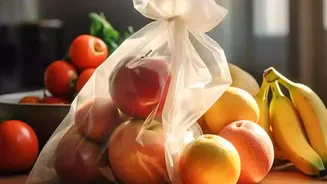
A key reason for separating certain produce is ethylene, a natural, odourless gas that some fruits release as they ripen. This gas acts as a ripening hormone for the fruit that produces it, but it can cause other sensitive items to spoil prematurely. Major ethylene producers include apples, ripe bananas, avocados, and stone fruits like peaches. Ethylene-sensitive produce includes leafy greens, carrots, cucumbers, broccoli, and asparagus. Storing ethylene-producing fruits away from sensitive vegetables can prevent issues like bitter carrots, yellowing broccoli, or wilted greens. If you need to ripen something faster, like a hard avocado, you can place it in a paper bag with an apple or banana to trap the ethylene gas and speed up the process.