





From Sightseeing to 'Sight-Tasting'
There is a significant shift in how Indians are choosing to explore their own country. The focus is moving from the visual to the visceral, where the richness of a place is measured by the depth of its flavours. Culinary tourism is no longer a niche interest;
it's a primary motivator for travel. Reports show a remarkable trend: a substantial number of travellers now select their holiday destinations based on the local food culture. This growing appetite, particularly among millennials and Gen Z, is for authenticity over familiarity. They are not just looking for a meal, but an experience that tells a story about a region's history, geography, and people. As a result, food has become a core pillar of travel planning, standing alongside accommodation and sightseeing.
Beyond Butter Chicken and Biryani
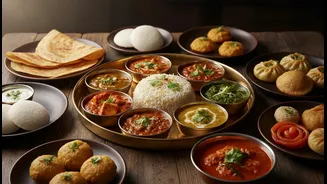
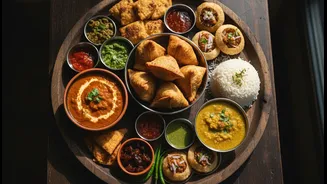
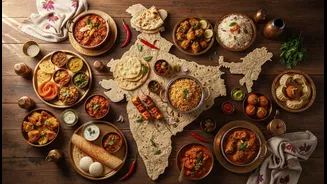
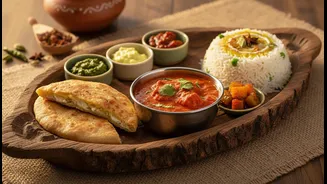
This culinary curiosity is leading travellers far beyond the well-trodden Golden Triangle. While staples like Butter Chicken and Biryani are beloved, there's a growing hunger for the vast, unexplored universe of Indian regional food. Travellers are now designing itineraries around tasting fiery Kathiyawadi thalis in Gujarat, soulful Siddu in Himachal Pradesh, and the distinct flavours of Jadoh rice in Meghalaya. Journeys are being planned to experience the pepper-infused Pandi Curry of Coorg, the coconut-rich seafood of Kerala, and the unique, slow-cooked dishes of the Nawabi kitchens in Bhopal. This exploration is revealing the incredible diversity of our national palate, where cuisine changes every few hundred kilometres, shaped by local ingredients, climate, and centuries of tradition.
The Rise of the Culinary Host
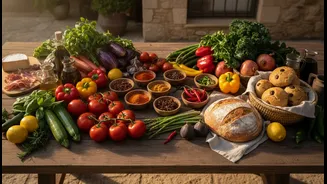
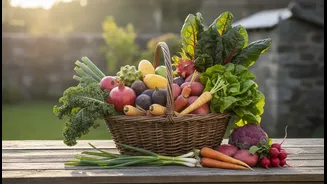
Facilitating this deep dive into regional food are homestays and farm stays, which have become the epicentres of this movement. Unlike impersonal hotels, these establishments offer a direct connection to local life. Hosts are not just providing a room; they are acting as cultural ambassadors, sharing generations-old family recipes and cooking techniques. Many of these homestays operate on a farm-to-table model, with guests enjoying meals made from produce grown right outside their window. From learning to cook traditional Saraswat dishes at a plantation in Goa to savouring a Himachali dham served on traditional pattals, these stays turn a meal into an intimate and memorable cultural exchange.
An Immersive Cultural Experience
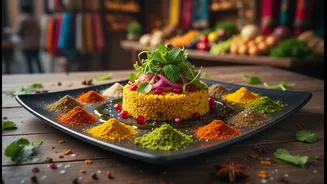
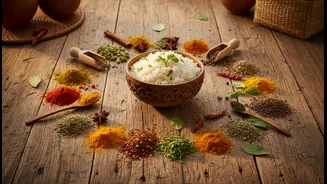
The trend extends well beyond the dinner table. True culinary travel is about immersing oneself in the entire food ecosystem of a region. It involves guided food walks through the bustling gullies of Old Delhi or Lucknow, and visits to local markets to learn about indigenous spices and produce. Cooking classes, whether in a state-of-the-art kitchen or a rustic home, have become a sought-after activity, allowing travellers to take a piece of the culture home with them. Many hospitality operators now curate specific food and beverage tours, from spice garden explorations in Kerala to coffee tasting on a Coorg estate. These activities offer a deeper understanding and appreciation of the journey food takes from the farm to the plate.