


The Sun’s Final Act
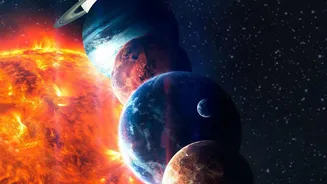
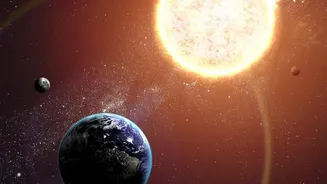
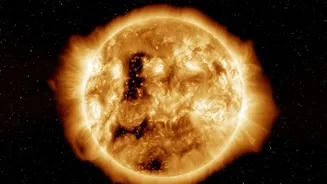
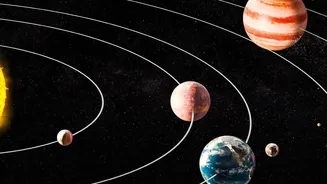
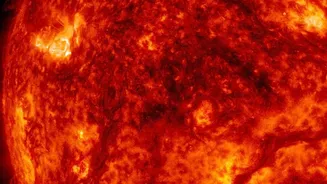
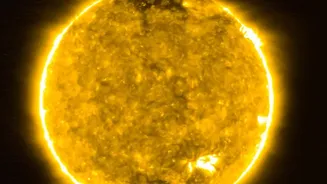
The end for a star like our Sun is a two-part drama. First, it will swell into a red giant, a phase where its expanding outer layers will engulf and destroy the inner planets, including Mercury, Venus, and almost certainly Earth. After this fiery expansion,
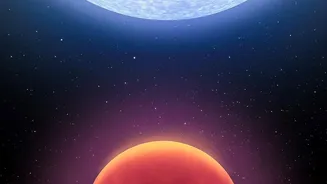
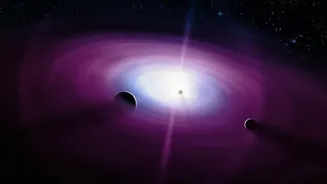
the star's core will collapse under its own gravity, leaving behind a dense, Earth-sized remnant known as a white dwarf. This stellar corpse will be incredibly hot but will have only about half of the Sun's original mass. That sudden loss of mass is the critical factor for what happens next, as it dramatically weakens the gravitational glue holding the solar system together.
A Solar System Unbound
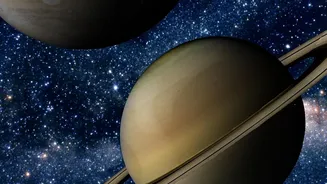
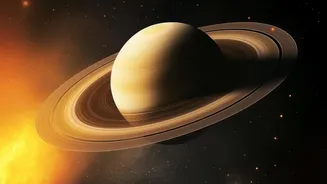
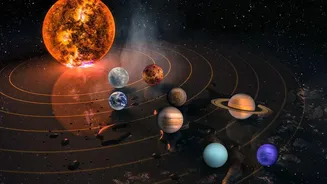
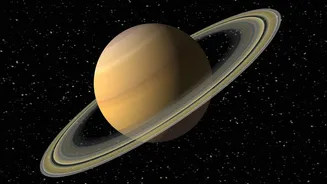
With the Sun's gravitational pull significantly reduced, the surviving planets will begin to drift outward. Jupiter, Saturn, Uranus, and Neptune, having survived the red giant phase, will see their orbits expand. Imagine swinging a ball on a string and suddenly letting half the string go; the ball flies into a wider, slower arc. The same principle applies here. Jupiter's current 5-year orbit could stretch to 10, and Saturn's 30-year journey could extend to 60. But this gentle expansion is just the beginning of a much more violent cosmic rearrangement.
A Cosmic Game of Pinball
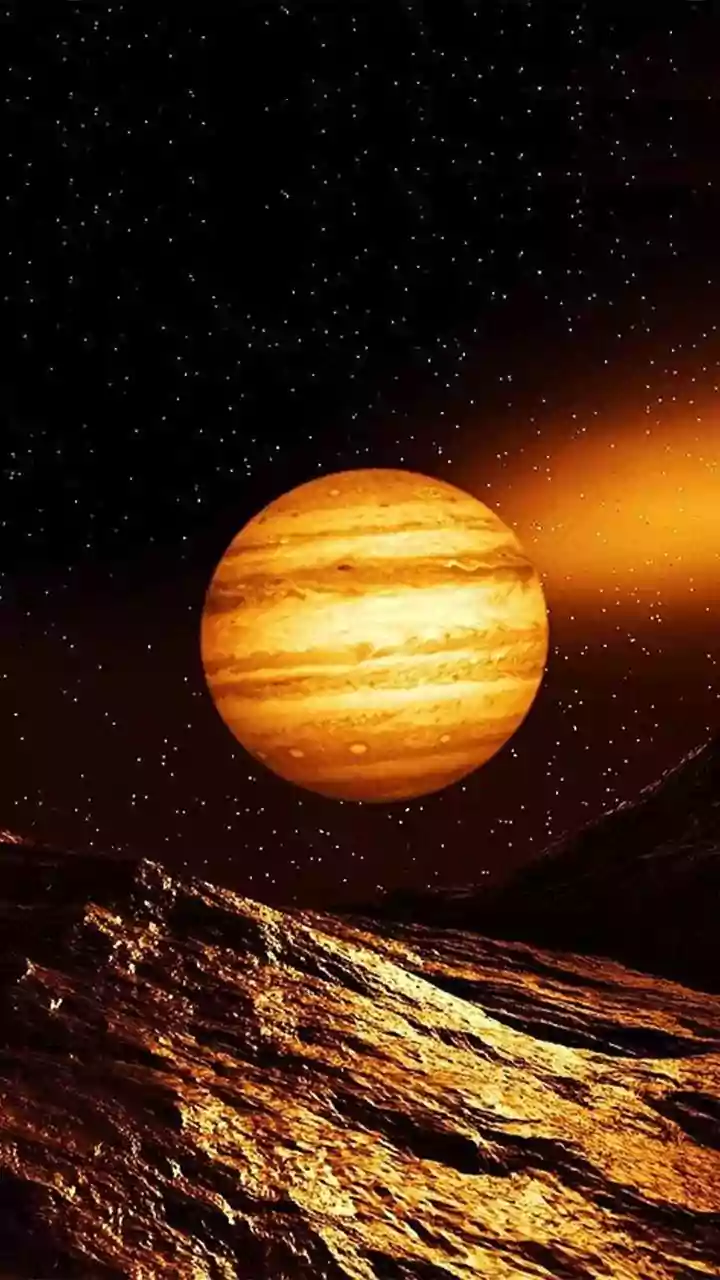
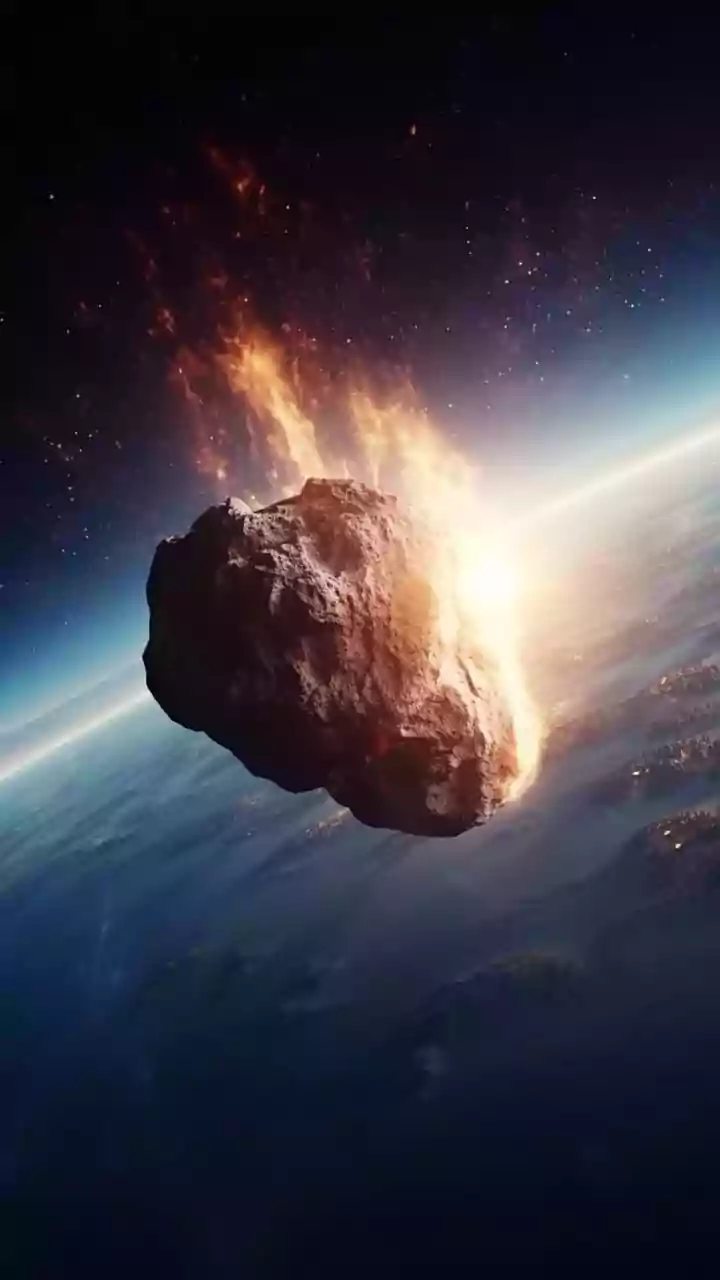
Recent simulations exploring this post-Sun future paint a chaotic picture. As the giant planets migrate into their new, wider orbits, their delicate gravitational balance will be shattered. The powerful influence they exert on each other will likely trigger a period of 'dynamical instability'. Research published in The Astronomical Journal suggests this will turn the outer solar system into a giant game of gravitational pinball. In this scenario, planets will tug and pull at one another unpredictably. The most probable outcome? Most of the giant planets, including Jupiter, will be ejected from the solar system entirely, flung into the lonely darkness of interstellar space.
Searching for Stability
While ejection seems to be the most common fate, it's not the only possibility. The same simulations show a small chance that the remaining planets could, against all odds, settle into a new, stable configuration. This would be a solar system profoundly different from the one we know today, with a few remaining giants orbiting their faint, dead star at vast distances. The ultimate fate depends on the precise alignment and interaction of the planets in the millions of years following the Sun's transformation. It is a delicate dance where one wrong step can lead to being thrown out of the system forever.
Clues from a Stellar Ghost
This area of study isn't just about predicting our own distant future; it's also a powerful tool for understanding other planetary systems. Astronomers studying existing white dwarfs have found many of their atmospheres are 'polluted' with heavy elements like iron and magnesium. A recent study from the University of Warwick explains why: in these systems, surviving giant planets are gravitationally nudging asteroids and planetary fragments into the white dwarf. As this material falls onto the star, it leaves a chemical fingerprint in its light. This allows scientists to perform a 'planetary autopsy', determining the composition of worlds that were destroyed billions of years ago.