




The Inevitable Physics of Falling
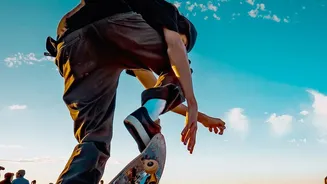
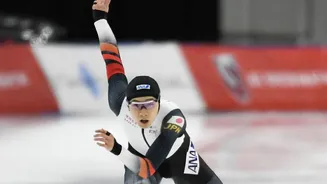
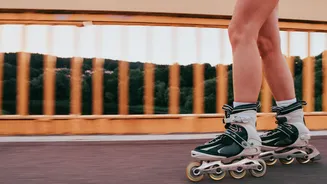
Skating, whether on a board or with wheels strapped to your feet, is an exercise in controlled momentum. But with speed and movement comes the undeniable risk of falling. The human instinct during a fall is to throw out your hands to break the impact.
This reflex is precisely why wrist injuries, including sprains and fractures, are among the most common ailments for skaters. Studies have shown that a significant percentage of all skating injuries involve the wrist. Beyond the wrists, common injuries include fractures to the arms and collarbones, scrapes, bruises, and serious head injuries like concussions. The hard, unforgiving nature of pavement means that even a low-speed tumble can lead to significant harm. Understanding this physical reality is the first step in appreciating the role of safety equipment.
Your First Line of External Defense
Protective gear is an intelligent response to the physics of falling. Each piece is engineered to absorb and dissipate impact that would otherwise be directed at your bones and joints. A proper skate helmet is designed with special foam that compresses on impact, protecting your skull. Wrist guards are particularly critical; they feature rigid splints that prevent the wrist from bending backward during a fall, drastically reducing the risk of fractures. In fact, research shows that wearing wrist guards can lower the risk of wrist injury by a staggering 87%. Similarly, elbow and knee pads use a hard outer shell and inner foam cushioning to protect these high-impact zones from both fractures and painful abrasions, allowing skaters to even slide out of a fall safely.
The Tai Chi Philosophy: Internal Balance
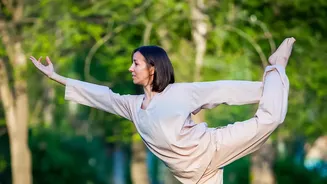
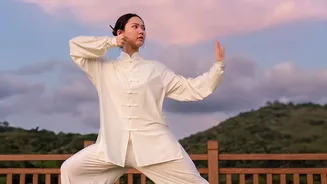
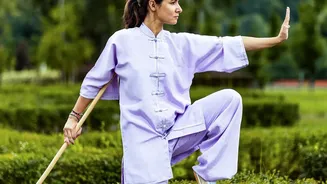
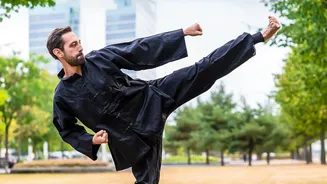
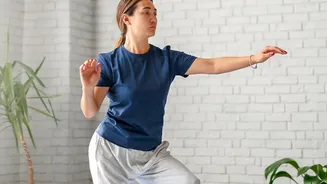
Now, consider Tai Chi. This ancient practice is renowned as a 'gold standard' for balance training and fall prevention, particularly among older adults. It involves slow, smooth, and continuous movements that build strength in the body's deep stabilizing muscles. Practitioners learn to be mindful of weight transference, rooting themselves to the ground and developing a profound awareness of their body's position in space. This integration of mind and body enhances coordination, improves posture, and builds the confidence to move without fear. Studies have shown that regular Tai Chi practice can significantly reduce the risk of falls by improving a person's ability to anticipate and recover from a loss of balance. This is a form of protection that is built from the inside out.
Bridging the Gap: Gear Enables Skill
Here is where the two worlds connect. Protective gear in skating is not a substitute for skill, just as a seatbelt is not a substitute for learning how to drive. Instead, the gear provides the confidence needed to practice and develop the 'internal' skills of skating—the balance, coordination, and body awareness that are the sport's equivalent of Tai Chi. When beginners are fully protected, they are less afraid to push their boundaries and, as a result, often learn faster. Experienced skaters wear gear when trying new tricks for the same reason: it allows them to focus on technique without the debilitating fear of injury. The gear acts as an external support system that enables the development of internal mastery. It allows you to practice how to fall correctly—by rolling or sliding on your pads rather than catching yourself with stiff arms.
How to See Your Protective Gear
Thinking about safety through the lens of Tai Chi reframes the purpose of your helmet and pads. They are not a sign of fear or inexperience. Rather, they are a sign of intelligence and a commitment to longevity in your chosen activity. Wearing them is an acknowledgment of the physical risks involved and a proactive step to manage them. It is a tool that grants you the freedom to be more present, more confident, and more focused on the joy of movement—principles that lie at the heart of Tai Chi itself. Modern protective equipment is more comfortable, breathable, and less restrictive than ever, making the choice to wear it even easier. It's an investment not just in preventing injury, but in accelerating your own skill and long-term enjoyment.