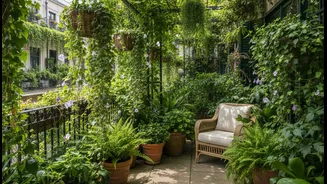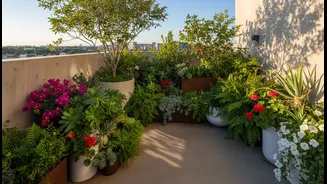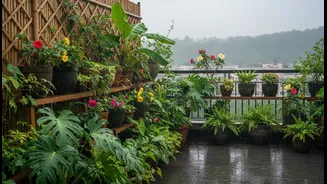





The Science of a Cool Terrace
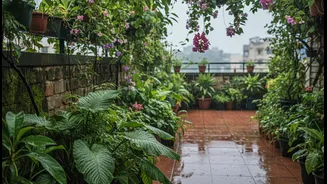
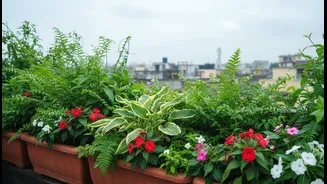
Before we dive into the specific plants, it’s helpful to understand how they create a cooling effect. The magic happens through two main processes: shading and evapotranspiration. Broad, dense leaves provide natural shade, preventing surfaces like concrete
and tiles from absorbing and radiating heat. More importantly, plants release water vapour from their leaves in a process called transpiration. This process uses heat from the surrounding air, acting like a natural air conditioner and gently lowering the ambient temperature. During the humid monsoon, plants that thrive in moisture and have lush foliage are your best allies in creating a comfortable, cool retreat.
Holy Basil (Tulsi)
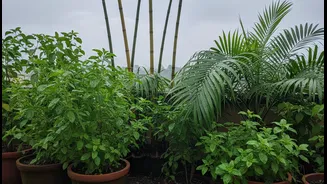
A staple in many Indian households for its spiritual and medicinal properties, Tulsi is also a fantastic plant for cooling small spaces. Its dense, bushy foliage, when planted in clusters, can create a noticeably cooler corner on a terrace. Tulsi releases a pleasant fragrance and is known for its air-purifying qualities, absorbing certain toxins from the atmosphere. During the monsoon, ensure your Tulsi pot has excellent drainage to prevent waterlogging, as it prefers moist but not soggy soil. It thrives in the warm, humid conditions of the season but still needs a few hours of sunlight to flourish.
Bamboo
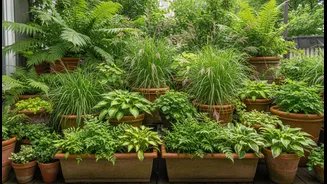
For creating significant shade and a natural privacy screen, few plants are as effective as bamboo. Its dense canopy can dramatically reduce sun exposure on walls and floors, which can help keep adjacent indoor rooms cooler. When choosing bamboo for a terrace, opt for clumping varieties like Bambusa multiplex, as they are less invasive and more manageable in large containers. Bamboo is a hardy plant that enjoys the monsoon moisture but requires a large, sturdy pot with good drainage to support its growth. While it loves sun, many varieties appreciate some partial shade, especially in hotter climates, making them versatile for different terrace orientations.
Areca Palm
With its graceful, feathery fronds, the Areca Palm is a popular choice for adding a tropical vibe. It's also a powerhouse of evapotranspiration, acting as a natural humidifier that releases significant moisture into the air, thereby cooling its surroundings. This quality makes it particularly effective in the often dry indoor air of air-conditioned rooms, but on a terrace, it contributes to a fresher, cooler atmosphere. Areca Palms thrive in the bright, indirect light and high humidity characteristic of the Indian monsoon. They prefer their soil to be consistently moist, so the rainy season is ideal for their growth, but ensure the pot allows excess water to drain freely.
Ferns
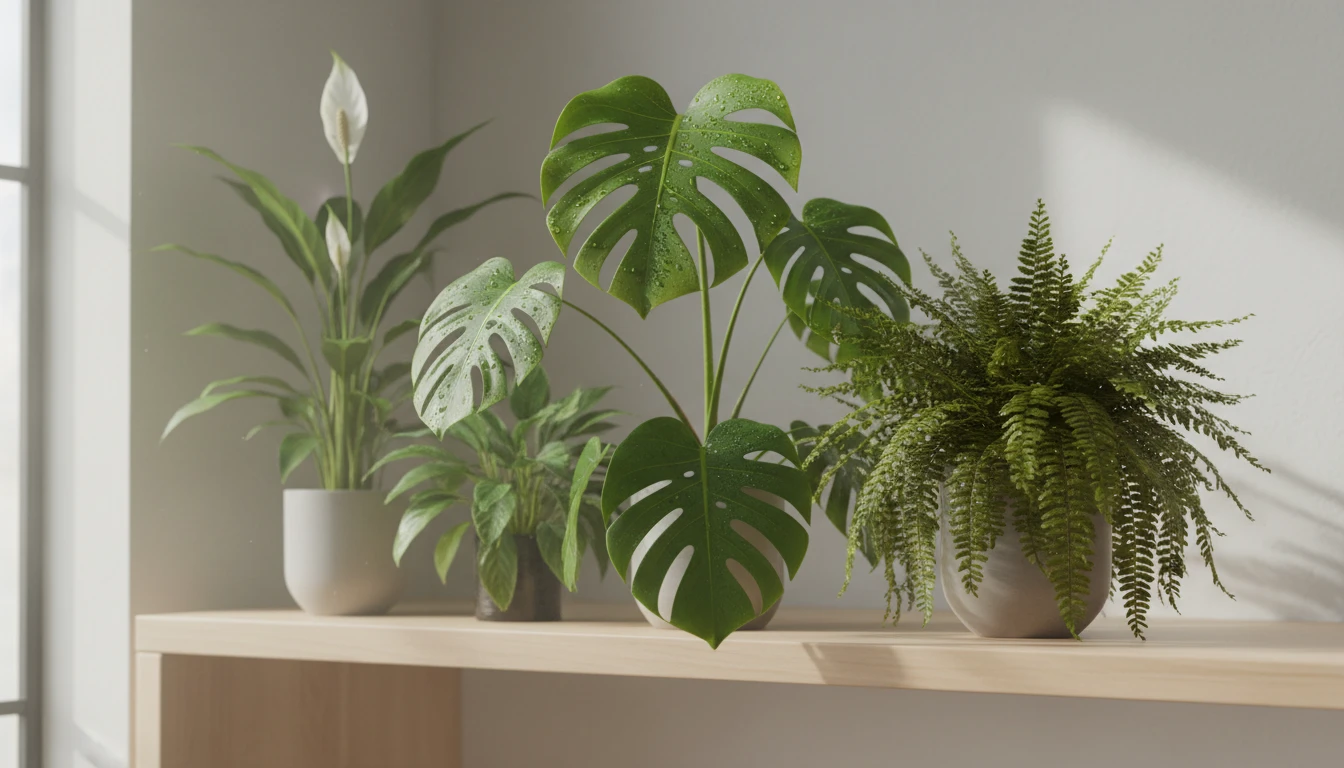
Ferns are the quintessential plants for humid, shady spots. Their lush, delicate fronds are highly effective at releasing moisture into the air through transpiration, which creates a cooling effect in their immediate vicinity. Varieties like the Boston Fern or Sword Fern are perfect for Indian monsoons, as they adore high humidity and indirect light. You can place them in hanging baskets or in pots on the floor to create layers of green. They add a soft, natural aesthetic but require good air circulation to prevent fungal issues in the constantly damp monsoon weather.
Spider Plant
The Spider Plant is an incredibly resilient and fast-growing option that is perfect for hanging baskets along balcony railings or walls. Its arching leaves create a lovely cascading effect and provide a surprising amount of shade and coverage. Like other leafy greens, it contributes to cooling through transpiration. Spider plants are also celebrated for their air-purifying abilities, effectively filtering common indoor pollutants. They are remarkably easy to care for, tolerating a range of conditions, but thrive in the bright, indirect light of a monsoon-season terrace. Their low-maintenance nature makes them a great choice for beginner gardeners.