




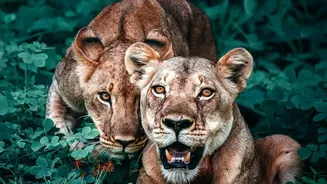
A Historic Homecoming
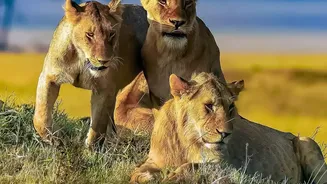
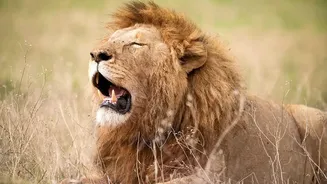
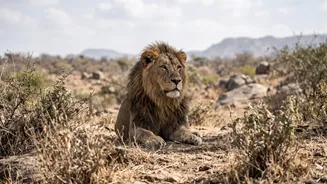
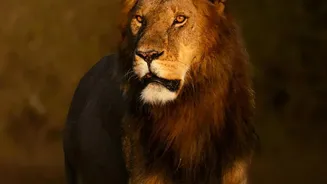
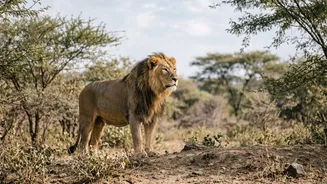
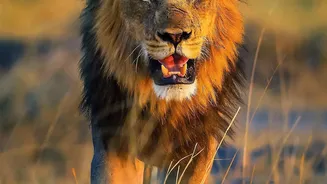
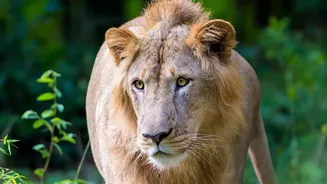
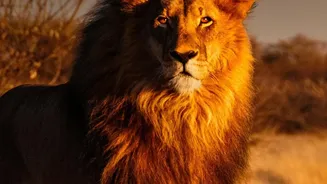
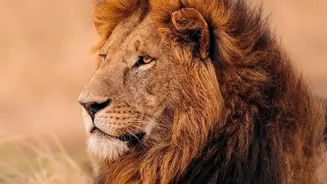
After being absent since 1879, the Asiatic lion is once again inhabiting the forests of the Barda Wildlife Sanctuary. This milestone began in January 2023 with the natural dispersal of a male lion into the sanctuary, which is located about 100 kilometres
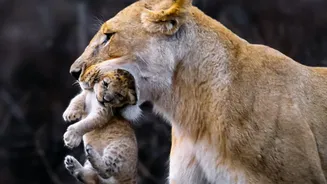
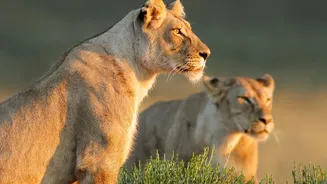
from the famous Gir National Park. Following this, the Gujarat Forest Department introduced five females to help establish a breeding population. As of October 2026, the sanctuary is home to a growing pride of 17 lions, including adults and cubs, signifying a successful recolonisation. This development is a major step for Project Lion, a national initiative to conserve the species by establishing new populations and reducing the risks associated with having all wild lions concentrated in a single location.
The Science of Tracking
To understand how these lions are adapting, a team of researchers from the Gujarat Forest Department and academic institutions launched a comprehensive study. They fitted six lions—the original male and the five translocated females—with radio collars. Between January 2023 and July 2025, these collars generated over 169,000 GPS locations, providing an unprecedented look into their new lives. This data allows scientists to map the lions' home ranges, which average around 70 square kilometres, and understand their habitat preferences. The research has shown that the lions are not just passing through; they are establishing territories, forming social structures, and actively using the sanctuary's mixed forests and grasslands.
What's on the Menu?
A crucial part of ensuring the lions' long-term survival in Barda is understanding their diet and the availability of prey. Analysis of lion scat has revealed that the big cats are primarily hunting wild animals, with wild pigs making up a significant portion (55%) of their diet. Other wild prey includes nilgai and spotted deer. However, the study also found that domestic animals, like cattle, constitute about 17% of their food source, highlighting the need to manage human-wildlife interactions. To bolster the natural prey base and reduce reliance on livestock, the Forest Department has been actively translocating herbivores. In 2025-26 alone, 441 spotted deer (chital) were moved from Gir to Barda, supplementing a long-running program of releasing captive-bred spotted deer and sambar into the sanctuary.
Why Barda Matters for Lions
The success of India's conservation efforts has seen the Asiatic lion population in Gujarat grow significantly, from 674 in 2020 to an estimated 891 in 2025. This welcome increase brings a new challenge: a need for more space. Concentrating the entire global wild population of a species in one area, like Gir, makes them vulnerable to threats like disease outbreaks or natural disasters. The establishment of a viable second population in Barda acts as a crucial insurance policy. Forest and Environment Minister Arjun Modhwadia noted that Barda can serve as a population buffer for lions dispersing from Gir. With dedicated monitoring by eight full-time trackers and proactive management, Barda is transforming from a historical habitat into a secure future stronghold for Gujarat's iconic lions.