





The Numbers: A Troubling Start to the Monsoon
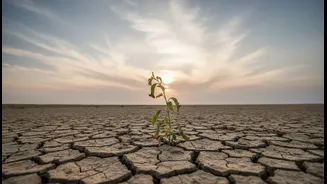
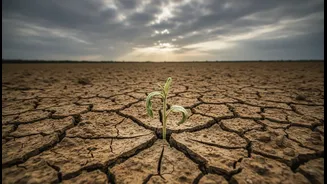
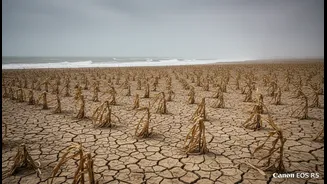
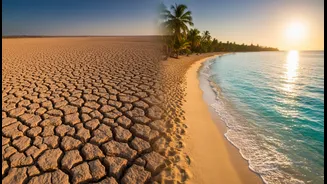
The 2026 southwest monsoon arrived in Goa on time but with little force. For the first three weeks of the month, rainfall was alarmingly sparse, with the state recording a massive 71% deficit by June 20. A frantic spell of heavy showers in the final week provided
some relief, but it wasn't enough to close the gap entirely. Goa ended June with an overall rainfall deficit of around 30-34%. The weak trend has continued, and as of early July, the seasonal deficit since June 1 remains significant at over 26%, with the India Meteorological Department (IMD) noting that the monsoon has weakened again over the state.
The Real Impact: Critically Low Dam Levels
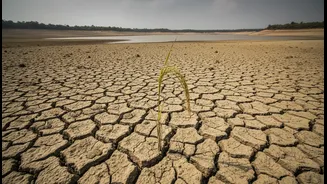
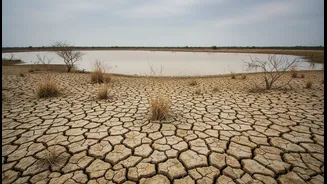
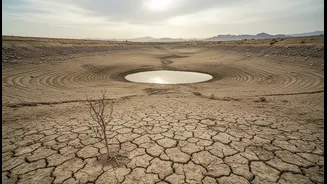
The most critical consequence of the weak monsoon is the state of Goa's reservoirs, which are vital for supplying drinking water throughout the year. As of early July, dam levels are far below their normal marks for this time of season. For instance, the Selaulim reservoir, which supplies much of South Goa, was only 37% full, a stark contrast to previous years when it would typically be overflowing by the first week of July. The situation at other dams is equally concerning, with the Anjunem reservoir at just 15% capacity. This delayed replenishment poses a serious risk for water availability next summer, as the water stored now must last until the 2027 monsoon. While officials have stated there is no immediate, widespread water shortage, localised issues have already begun to surface in areas like Bethora, prompting intervention from the Chief Minister.
A Guide for Goa Residents
For residents, the current situation calls for proactive water conservation. While the taps may still be running, the low reservoir levels are a clear warning sign for the future. Government officials have already urged the public to use water judiciously, suggesting simple but effective measures like avoiding the use of potable water for washing cars, cleaning floors, or extensive gardening. It is crucial to stay informed about any advisories issued by the Public Works Department (PWD) or Water Resources Department (WRD) regarding potential water restrictions. Given the unpredictability, treating water as a precious resource now can help mitigate more severe shortages later in the year. Fixing leaks at home and adopting water-saving habits can collectively make a significant difference.
Advice for Travellers to Goa
If you are planning a trip to Goa, there is no need to cancel, but it is wise to adjust your expectations. The 'off-season' monsoon charm, characterized by verdant landscapes and gushing waterfalls, may be slightly subdued this year due to the inconsistent rainfall. While the state is still green and beautiful, some waterfalls may not be at their full, spectacular flow. A more practical concern is water availability. Before booking, consider checking with your hotel or guesthouse about their water situation, specifically whether they have backup water storage tanks. While major hotels are unlikely to be affected, smaller establishments might face challenges. Remember, swimming in the sea is strictly prohibited and extremely dangerous during the entire monsoon season, regardless of the amount of rainfall.
A Note for Tourism Businesses
For hotels, restaurants, and other tourism-related businesses, the water situation presents both a challenge and an opportunity for responsible operations. This is a critical time to audit water usage and implement robust conservation measures. This can include installing water-saving fixtures, reusing treated greywater for gardening, and training staff on conservation practices. Transparent communication with guests is also key. Informing them about the water situation and encouraging them to participate in conservation efforts can build goodwill and manage expectations. The long-term health of Goa's tourism industry is intrinsically linked to the health of its environment and resources, making sustainable water management a vital business practice, not just a temporary measure.
Looking Ahead: A Cautious July Forecast
Unfortunately, the immediate forecast offers little comfort. The IMD has predicted that rainfall for July 2026 is likely to be 'below normal' for many parts of India, including the region encompassing Goa. Furthermore, temperatures are expected to be above normal, leading to warmer and more humid conditions. This combination of less rain and more heat will put further strain on the already low water reserves. With the monsoon expected to remain in a 'rather dry mode' for the coming days, the message for everyone in Goa is clear: every drop counts.