






Why Visit Wayanad After the Rains?
The post-monsoon period, from October to November, is arguably the best time to experience Wayanad. The landscape, freshly washed by months of rain, is at its most vibrant. Waterfalls like Soochipara and Meenmutty are full and spectacular, the tea and coffee
plantations are a dazzling green, and the air is crisp and clean. This season strikes a perfect balance; the relentless downpours have ceased, but the region retains its lush, monsoon charm. The weather is pleasant, with clearer skies and moderate temperatures, making it ideal for sightseeing and outdoor activities without the peak season crowds that arrive in December.
Getting There from Bengaluru and Kochi
Wayanad is well-connected by road, making it a straightforward drive for weekenders. From Bengaluru, the journey is around 280 km and takes approximately six to seven hours, often passing through the scenic Bandipur or Muthanga forests. For those coming from Kochi, the distance is about 260-280 km, with a travel time of six to eight hours. The most popular route from Kochi takes you through Kozhikode and up the winding Thamarassery Ghat road, which offers breathtaking views. KSRTC and private buses are also readily available from both cities, offering an affordable alternative to driving.
Finding Your Perfect Budget Homestay
To truly soak in Wayanad's charm, skip the conventional hotels and opt for a budget-friendly homestay. These accommodations offer an authentic experience, often set within family-run plantations or farms. You can find numerous options in areas like Kalpetta, Vythiri, and near Mananthavady, with prices often starting from ₹800–₹1500 per night. Many homestays provide delicious, home-cooked Kerala cuisine, which adds to the experience and helps keep food costs down. Look for properties that offer plantation walks or have views of paddy fields to make your stay even more memorable. Booking in advance is wise, but the post-monsoon season generally offers more availability and better rates than the peak winter months.
The Serene Thrill of Bamboo Rafting
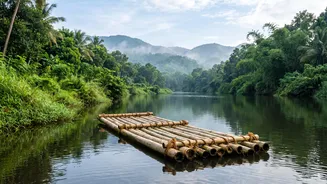
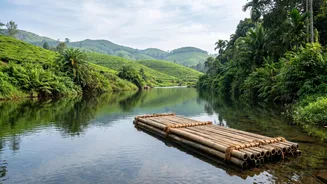
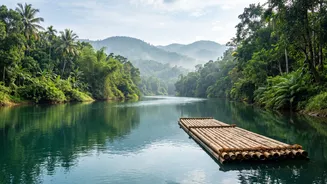
A quintessential Wayanad experience is bamboo rafting on the serene Kabini River, especially at Kuruva Island (Kuruvadweep). This 950-acre protected river delta is a cluster of uninhabited islands known for their dense forests, rare birds, and orchids. Visitors are ferried across the river on bamboo rafts operated by the forest department, a peaceful journey that sets the tone for exploring the island's walking trails. The rafting itself is a gentle activity, allowing you to glide silently through the calm waters surrounded by pristine nature. Kuruva Island typically closes during the heavy monsoon (June-September) due to high water levels and reopens as the rains subside, making the post-monsoon period the ideal time to visit. Entry fees are charged, and there's a separate, affordable fee for the rafting experience.
Beyond the Raft: Other Pocket-Friendly Activities
Wayanad is packed with low-cost attractions. A trek to the prehistoric Edakkal Caves costs very little and offers a glimpse into history with its 8,000-year-old rock carvings. Pookode Lake is another beautiful spot where you can enjoy a peaceful walk or a pedal boat ride for a nominal fee. For stunning views, head to Lakkidi View Point, which overlooks the hairpin bends of the ghat road. Banasura Sagar Dam, India’s largest earthen dam, is another must-visit, offering beautiful vistas, especially after the monsoon. Many of these activities are either free or have minimal entry fees, making it easy to enjoy a full weekend without stretching your budget.