


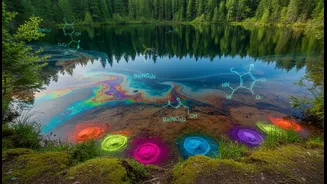


The Glow of Celebration, The Shadow of Pollution
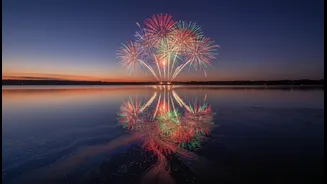
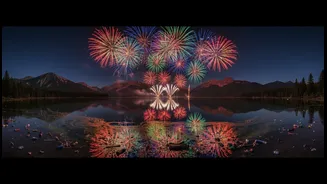
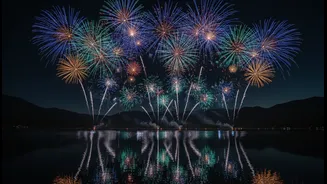
From national holidays to local festivals, lighting up the night sky with brilliant explosions is a universal sign of celebration. Displays launched over water are particularly popular, as the reflections double the beauty of the light show. For decades,
the primary environmental concerns focused on air quality and noise pollution. However, a growing body of scientific evidence is shifting the focus to what happens after the show is over, when gravity pulls the chemical remnants of each explosion down into the ecosystems below. Recent studies indicate that this fallout may be altering the very chemistry of our water bodies in ways that are only now being fully appreciated.
An Unseen Chemical Cocktail
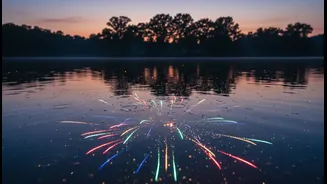
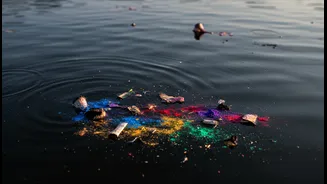
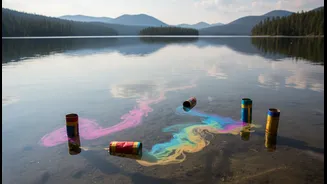
A firework is a complex package of chemical compounds. To achieve the spectacular colours, manufacturers use metallic salts: strontium for red, copper for blue, and barium for green, among others. The powerful launch and explosion are fueled by propellants and oxidizers, a key component of which is often perchlorate. When a firework explodes, it disperses these metals and compounds, along with leftover fuel and packaging, over a wide area. When this happens over a lake or river, these materials fall directly into the water, releasing a chemical cocktail that includes heavy metals and other potentially harmful substances.
The Perchlorate Problem
Perchlorate is of particular concern to environmental scientists. It is highly soluble in water, meaning it dissolves easily, but it is also very stable, allowing it to persist in the environment for long periods. Studies conducted on lakes after major fireworks displays have shown dramatic, short-term spikes in perchlorate concentrations, sometimes reaching levels over 1,000 times higher than the baseline. While these levels often decrease over several weeks or months as the water mixes and dilutes, the repeated annual shock to the system is a major worry. In humans and wildlife, perchlorate is known to interfere with the thyroid gland's ability to absorb iodine, which can disrupt metabolic functions and development.
A Ripple Effect Through the Food Web
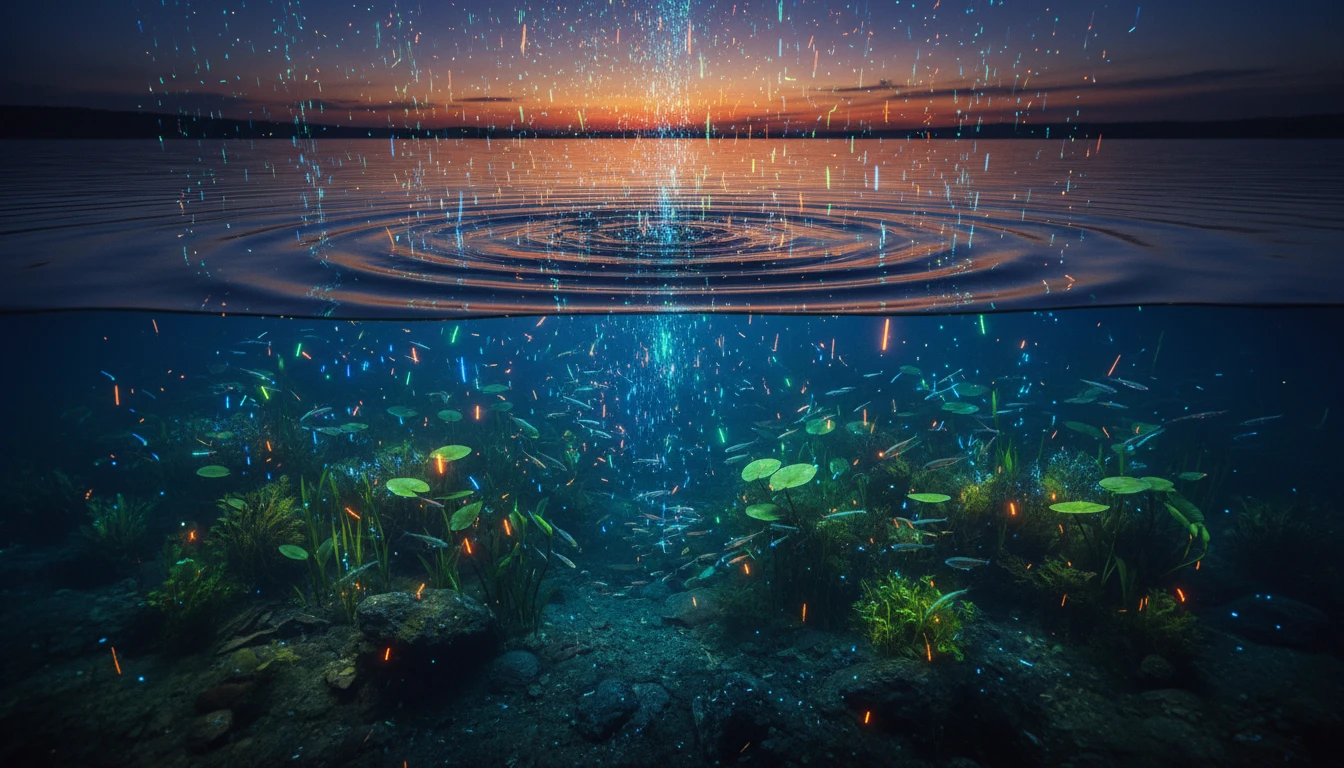
The impact isn't limited to a single chemical. Recent lab studies have shown that firework residue can profoundly alter water chemistry. It leaches metals like potassium and manganese and sulfur-containing organic compounds into the water. This sudden change can disturb the delicate balance of microbial communities that form the foundation of the aquatic food web. If microorganisms at the bottom are affected, the impact can ripple upwards, affecting the plankton, insects, and fish that rely on them for food. Fish in contaminated areas can accumulate perchlorate in their bodies, passing the problem up the food chain.
Rethinking the Tradition
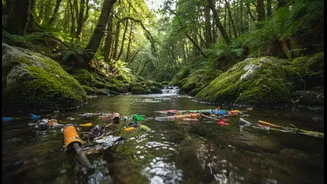
The growing awareness of these environmental impacts is prompting a conversation about the future of fireworks. Some manufacturers are developing “eco-friendly” or “green” fireworks that use nitrogen-based compounds instead of perchlorate and reduce the quantity of heavy metals. These options, however, are often more expensive and not yet widely available for large-scale public displays. Other alternatives are gaining popularity, including spectacular drone light shows and laser displays, which offer stunning visuals without the chemical fallout. While they may lack the traditional bang and smell of gunpowder, they eliminate the associated water and air pollution. For now, the most immediate and effective measure is the thorough cleanup of all debris after a show to prevent it from washing into waterways.