
Monsoon Trekking: A Guide to Safe Adventure
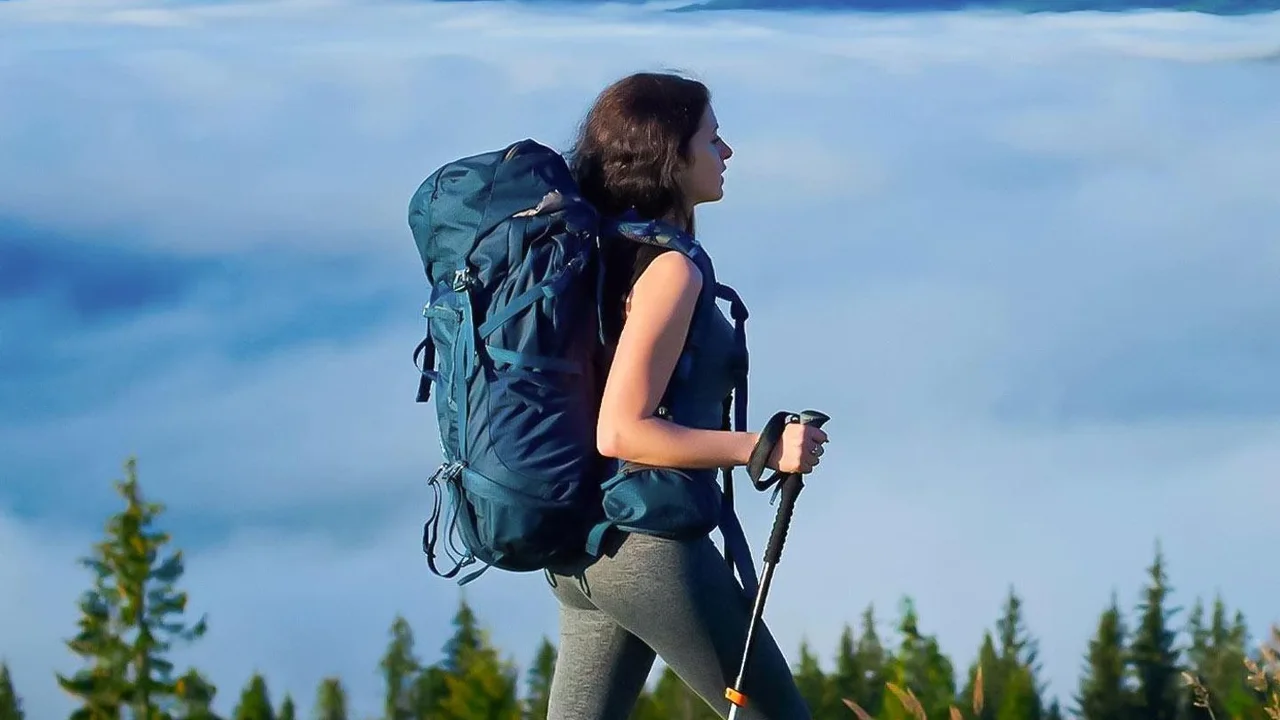
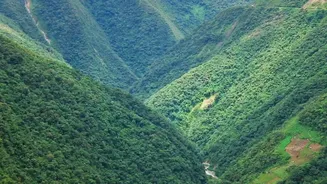
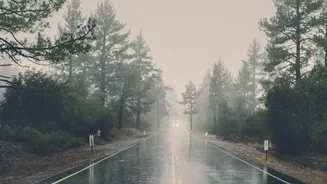
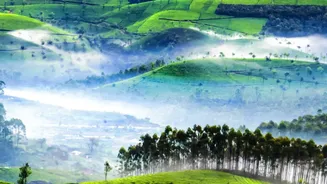
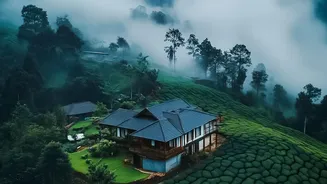
Trekking in the Himalayas during monsoon is a magical experience, but it demands respect and preparation. The landscape is brilliantly green, waterfalls are in full flow, and the clouds create a mystical atmosphere. However, this beauty comes with challenges
like slippery trails, unpredictable rain, and the risk of landslides. It is crucial to choose a trail known to be safe during this season. Always pack waterproof gear, including a high-quality jacket, pants, and a cover for your backpack. Sturdy, high-traction, waterproof trekking shoes are non-negotiable. It is highly recommended to trek with a certified local guide who understands the terrain and weather patterns. Start your treks early in the day as weather often worsens in the afternoon. Always check the latest weather advisories and road conditions before you set out.
Valley of Flowers: A Carpet of Colour
Undoubtedly the most famous monsoon trek in India, the Valley of Flowers is a UNESCO World Heritage Site that comes alive only during this season. From mid-July to mid-August, the valley floor is covered with more than 500 species of wildflowers, including the rare Blue Poppy and the sacred Brahma Kamal. The trek itself is rated easy to moderate, with a well-paved trail from Govindghat to the base village of Ghangaria, making it accessible even for beginners with a reasonable level of fitness. The trail runs alongside the gushing Pushpavati River, and the entire experience feels like walking through a paradise painted by nature. Given its popularity, it's a living mosaic of colour that is an absolute must-see during the monsoon.
Dayara Bugyal: The Rolling Green Meadows
Known as one of India's most beautiful alpine meadows, Dayara Bugyal transforms into a vast, rolling carpet of emerald green during the monsoon. The trek is considered easy to moderate and is another great option for beginners. The trail starts from the village of Raithal and winds through dense oak and rhododendron forests before opening up to the magnificent meadows. While the walk itself is rewarding, the panoramic views of snow-capped peaks like Bandarpoonch and Kalanag, when the monsoon clouds part, are truly spectacular. Trekking here in mid-August also offers a chance to witness the local 'Andhuri Utsav' or Butter Festival, a unique cultural experience. Though the trail can be slippery, parts of it are stone-paved, which helps during the rains.
Nag Tibba: A Perfect Weekend Escape
For those in and around Delhi looking for a quick and rewarding adventure, the Nag Tibba trek is a perfect choice. As one of the quickest and most accessible treks in the Garhwal region, it can be comfortably completed over a weekend. At 9,915 feet, it is the highest peak in the lower Himalayan range of Uttarakhand. The trek, rated as easy, takes you through dense forests that are vibrant and full of life during the monsoon. From the summit, on a clear day, you can witness stunning panoramic views of Himalayan peaks like Swargarohini, Bandarpoonch, and Srikanth. Its accessibility and rewarding views make it extremely popular for long weekend trips.
Chopta and Tungnath: A Spiritual Ascent
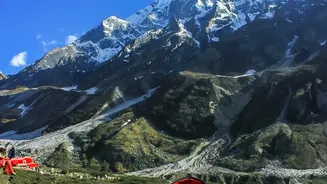
The trek from the lush meadow of Chopta to the Tungnath temple is a beautiful journey that combines nature with spirituality. Chopta, often called the 'Mini Switzerland of India', is surrounded by dense forests. The path leads to the Tungnath temple, the highest Shiva temple in the world. From Tungnath, a further climb leads to the Chandrashila peak, which offers breathtaking 360-degree views of the Himalayan ranges, including prominent peaks like Nanda Devi and Chaukhamba. While some advise against monsoon travel here due to slippery paths, many find the lush greenery and mystical, cloudy atmosphere worth the effort, provided proper care is taken. The temple remains open through the monsoon, making it a viable and deeply rewarding trek.