





Right Oil for the Right Job
The true value of an oil shines when it’s used correctly. A key factor here is its ‘smoke point’—the temperature at which it starts to break down, smoke, and release harmful compounds. Using an oil past its smoke point not only ruins the taste of your
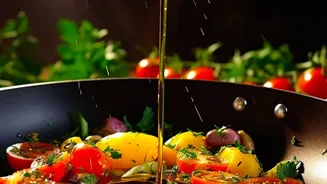
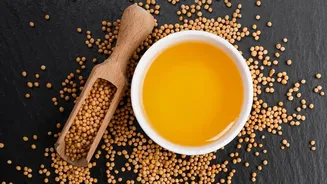
food but can also be unhealthy. For high-heat Indian cooking methods like deep-frying samosas or making a tadka, you need an oil with a high smoke point. Kachi ghani mustard oil (smoke point around 250°C) and groundnut oil (around 230°C) are excellent choices. They can handle the intense heat without breaking down. Refined sunflower and rice bran oils also have high smoke points suitable for frying. On the other hand, oils like unrefined sesame oil or extra virgin olive oil have lower smoke points and are better suited for light sautéing, dressings, or drizzling over dishes.
The Art of Proper Storage
Even the most expensive oil is worthless if it goes bad. The biggest enemies of cooking oil are heat, light, and air, which cause it to become rancid. Rancid oil has an unpleasant smell and bitter taste, and it's not good for your health. To protect your oil, always store it in a cool, dark place, like a kitchen cabinet far from the stove. Never keep your oil bottle on the countertop next to the gas burner, as the constant exposure to heat will speed up its decay. Always ensure the cap is tightly sealed to keep air out. While buying in bulk might seem economical, it’s only a good deal if you can use the oil before it spoils. For most households, buying a smaller container that you will use within a few months is a smarter way to ensure freshness and value.
Look Beyond the MRP: Unit Price is Key
When you're at the store, it's easy to be swayed by a seemingly low price on a bottle or pouch. However, the best way to determine true value is to calculate the unit price. This means figuring out the cost per litre or per 100 ml. For example, a 5-litre can priced at ₹900 might seem more expensive than a 1-litre bottle at ₹190. But the unit price tells a different story: the can costs ₹180 per litre, while the bottle costs ₹190 per litre. To find the unit price, simply divide the total price by the total quantity. Many supermarkets now include this information on the shelf label, but it’s a simple calculation you can do on your phone. This simple habit helps you compare different brands and pack sizes accurately, ensuring you are paying for the oil, not just for fancy packaging.
A Mix for Health and Flavour
Ultimate value also comes from the health benefits your family receives. Relying on a single type of oil, no matter how healthy it claims to be, can lead to an imbalance of fatty acids. Health experts suggest rotating between different types of cooking oils to get a wider spectrum of nutrients. For instance, you could use groundnut oil for frying, mustard oil for making curries and pickles, and sesame or coconut oil for specific regional dishes. Each oil brings its own unique fatty acid profile, vitamins, and flavour. Mustard oil is rich in certain omega-3s, while sunflower oil provides Vitamin E. By rotating oils, you not only enhance the taste of your meals but also invest in your family's long-term health, which is the greatest value of all.