





A New Era for Overnight Travel
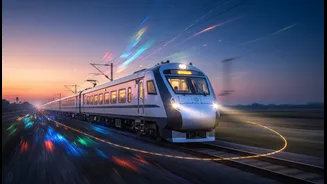
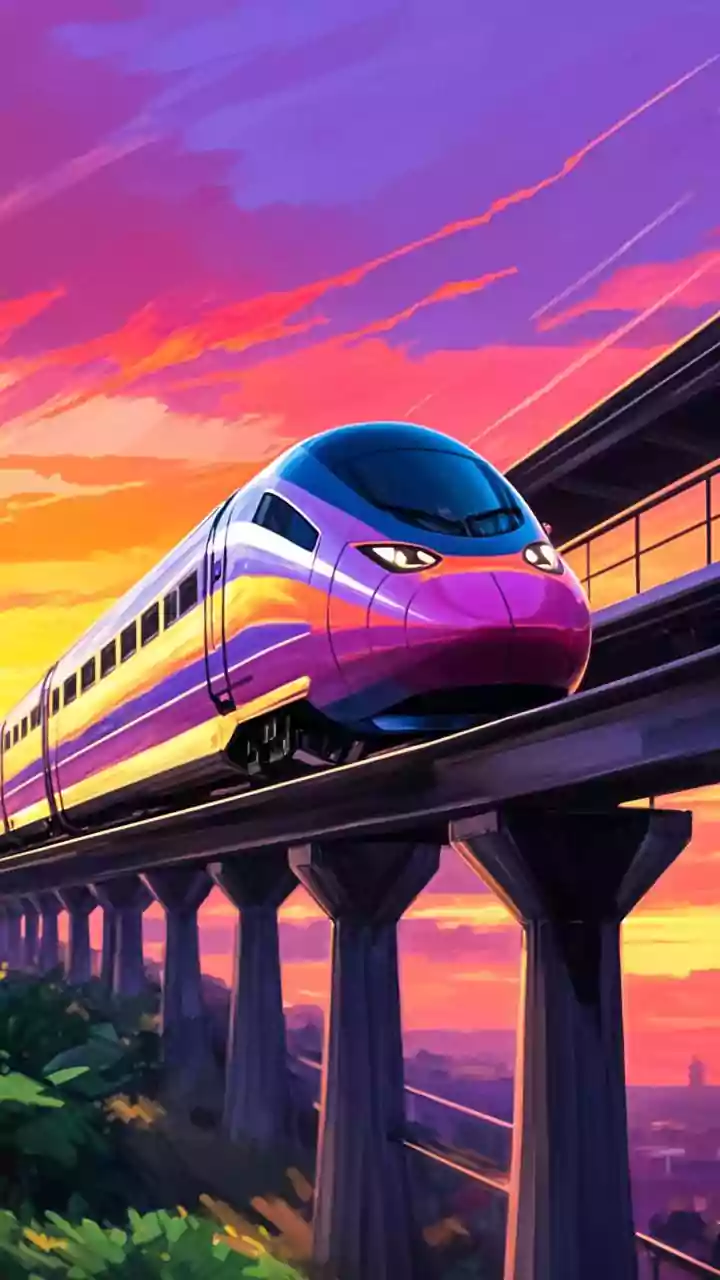
The Vande Bharat Express, which has already revolutionized daytime intercity travel with its speed and modern amenities, is now venturing into the realm of long-distance overnight journeys. The Vande Bharat sleeper is Indian Railways' first ground-up
reimagining of the sleeper train since the iconic Rajdhani Express was introduced decades ago. Designed for routes covering 800 to 1,200 kilometres, these trains aim to provide a premium, high-speed alternative to the existing fleet, fundamentally changing how Indians travel between major cities while they sleep. The first commercial service was launched in January 2026, and demand has been exceptionally high, with tickets selling out almost instantly.
Smarter by Design
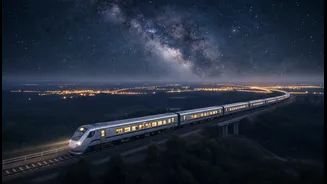
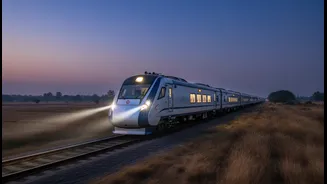
So, what makes these trains 'smarter'? The improvements are comprehensive. Each 16-coach trainset is designed to run at a top speed of 160 kmph, significantly faster than most conventional overnight trains. This is achieved through a distributed power system, similar to the chair-car version, which allows for quicker acceleration and deceleration, cutting down overall journey times. Passengers will notice a smoother, jerk-free ride. The coaches feature automatic plug doors for reduced noise, sensor-based lighting and water taps, bio-vacuum toilets, and wide windows for a better viewing experience. Safety is also enhanced with the indigenous Kavach anti-collision system.
Redefining Passenger Comfort
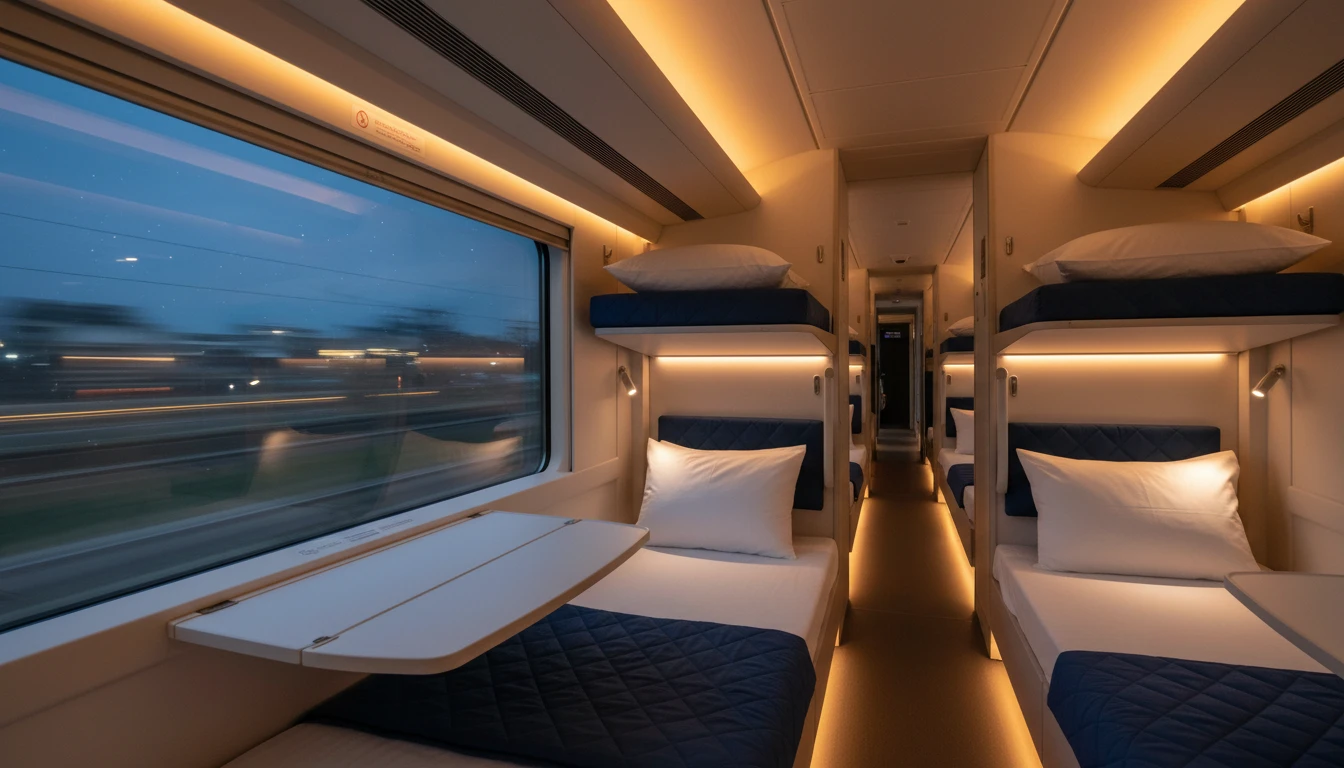
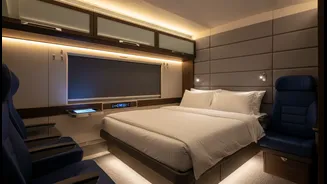
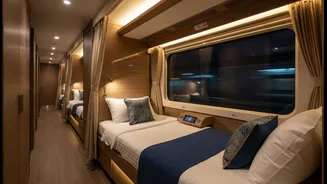
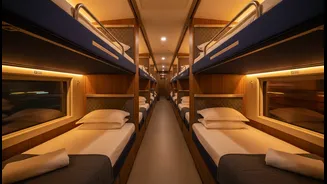
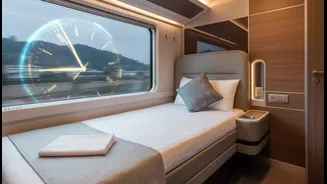
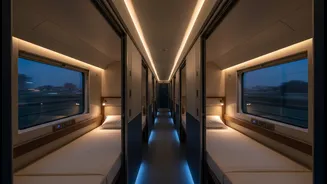
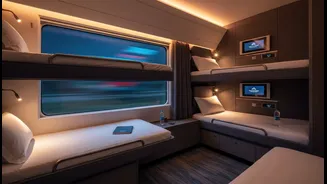
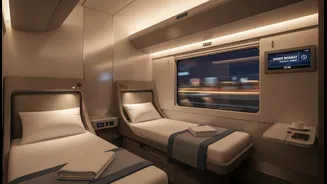
The real game-changer is the focus on passenger comfort. The train is configured with a mix of AC First, AC Two-Tier, and AC Three-Tier coaches, accommodating up to 823 passengers. The interiors have been designed for a premium feel. The berths themselves have been improved with better cushioning. Each berth has its own reading light and USB charging ports. The designers have also focused on details like improved ladder designs for accessing upper berths and ambient floor-level lighting that makes navigating the aisle at night easier without disturbing other passengers. The aim is to provide a hotel-like level of comfort on wheels, a significant step up from the functional but aging design of current sleeper coaches.
The Rollout: Routes and Timelines
The first Vande Bharat sleeper service was inaugurated in January 2026. As of mid-2026, several key routes are operational. On July 17, 2026, the second Vande Bharat sleeper, named the Sant Ravidas Express, was launched, connecting Varanasi in Uttar Pradesh with Chheharta near Amritsar in Punjab. This tri-weekly service is crucial for connecting eastern Uttar Pradesh with Punjab, serving pilgrims, business travellers, and families on a high-demand corridor. Other routes, such as a highly anticipated Bengaluru-Mumbai service, are expected to be introduced soon, though some trains are awaiting final clearances before they can begin commercial operations. While there have been some reported delays in the broader manufacturing plan involving private consortiums, Indian Railways is pushing forward to expand the network.
A Worthy Successor to the Rajdhani?
For years, the Rajdhani Express has been the gold standard for long-distance train travel in India. The Vande Bharat sleeper is positioned not just as an alternative, but as its successor. It aims to beat the Rajdhani on its own terms: speed, comfort, and punctuality. On several routes, they are already cutting journey times by a few hours. While fares for the Vande Bharat sleeper are about 10-15% higher than a comparable Rajdhani ticket, the immediate sell-out of tickets suggests that passengers are willing to pay a premium for a significantly upgraded experience. As more of these modern trainsets are rolled out, they are set to become the new benchmark for premium overnight travel across the country.