





The Tandoor Barrier
For decades, the single biggest obstacle between a home cook and a perfect naan has been heat. Traditional clay tandoors reach temperatures upwards of 480°C, cooking the bread in seconds. This intense, dry heat creates the signature bubbly texture and slight
smokiness that a conventional home oven, which typically maxes out around 250°C, simply cannot replicate. The bread would often turn out dense, dry, or more like a pita than the fluffy, chewy naan from your favourite restaurant. This heat gap meant that no matter how good your dough was, the final result was always a compromise.
A New Generation of Kitchen Tools
The game is changing thanks to modern appliances that are closing the temperature gap. High-heat countertop pizza ovens, originally designed for Neapolitan pizza, have become a secret weapon for home-style naan. These ovens can reach 400-500°C, providing the blistering heat needed for a rapid rise and authentic char. Furthermore, some companies now offer compact, home-use tandoors that make the real deal more accessible. Even without these specialized gadgets, home cooks are getting clever, using inverted cast-iron woks (kadhais) or heavy tawas on the stovetop to mimic the intense, direct heat needed for cooking.
Knowledge Is Power (and Fluffier Bread)
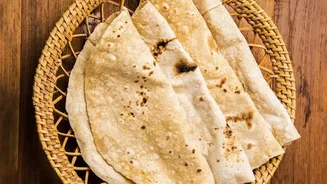
Technology isn’t just about hardware; it's also about information. The internet has democratised culinary knowledge. A decade ago, finding a reliable naan recipe was difficult. Today, YouTube, Instagram, and food blogs are filled with step-by-step video tutorials from professional chefs and experienced home cooks. These resources demystify the process, offering visual cues on everything from dough consistency to the precise technique of flipping a tawa over an open flame to char the top of a tandoori roti. Online cooking classes now specifically teach the art of Indian bread-making, breaking down complex techniques into manageable steps for intermediate cooks.
Better Building Blocks for Your Breads
The quality of your bread depends heavily on the ingredients, and these too have become more accessible. Specialised bread flour, with its higher protein content, provides the gluten structure needed for a chewier, more elastic dough and is now easier to find from various manufacturers in India. Similarly, reliable, fast-acting instant yeast, which can be added directly to flour without pre-activation, has made the leavening process more foolproof for home bakers. Many modern recipes also incorporate ingredients like yogurt or baking powder to ensure a soft, pillowy texture even without a tandoor, making the process more forgiving.
Mastering the Stovetop Method
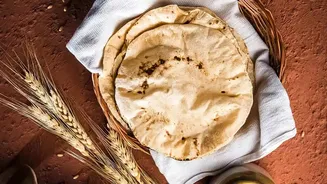
Even with a standard kitchen setup, you can achieve fantastic results. The key is to use a heavy-bottomed cast-iron tawa or skillet. Get it screaming hot before you even think about putting the dough on it. For naan or tandoori roti, many cooks use a clever trick: they brush one side of the rolled dough with water and slap it water-side-down onto the hot pan. The steam helps it stick. After a few moments, you can flip the entire pan upside down over a gas flame, allowing the direct heat to cook and char the top of the bread, simulating the tandoor's environment. It takes practice, but this technique is a game-changer for achieving that restaurant-style finish at home.