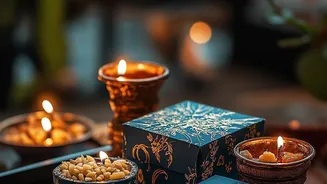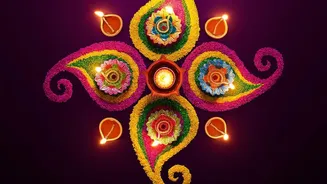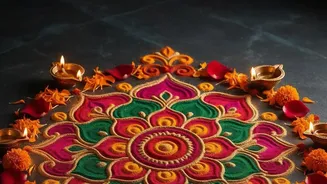


Diwali brings light, joy, and togetherness, but the aftermath often involves a significant amount of waste. Embracing upcycling for artisanal decor is a creative way to extend the festive spirit, reduce your environmental footprint, and honour tradition.
The Challenge of Festive Waste
The festival of lights, while a cornerstone of Indian culture, contributes to a noticeable surge in waste. Major cities can see waste production increase by up to 30% during this period. This includes everything from food scraps and gift packaging to single-use decorations like plastic garlands and disposable diya holders. Many of these items, often made from non-biodegradable materials, end up in landfills where they contribute to long-term pollution. This environmental cost runs contrary to the festival's spirit of renewal and prosperity, prompting a growing movement towards more mindful, sustainable celebrations.
Upcycling: A Creative Path to Sustainability
Upcycling is the art of turning waste materials or unwanted items into new products of better quality or for better environmental value. Unlike recycling, which breaks down materials to create a new product, upcycling is about creative reuse. Instead of discarding last year's decorations, you can give them a new life. This approach not only saves money and reduces landfill waste but also adds a unique, personal touch to your festive decor. It encourages a shift away from a 'use-and-throw' culture towards one that values longevity and creativity, aligning perfectly with the reverence for craftsmanship inherent in traditional decor.
Giving New Life to Earthen Diyas
Traditional clay diyas are a sustainable choice, but they often get discarded after the festival. Instead of throwing them away, they can be easily upcycled. After cleaning, plain terracotta diyas can be painted with vibrant, non-toxic colours to be used as decorative pieces year-round. They can be transformed into tiny planters for succulents, used as holders for floating candles in an urli, or glued together to create a unique wall hanging. Some creative individuals even reuse them to make DIY candle holders, extending their utility far beyond the five days of Diwali. This simple act of renewal keeps the festive glow alive in your home long after the celebrations have ended.
Reimagining Torans and Fabric Decor
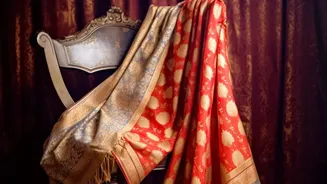
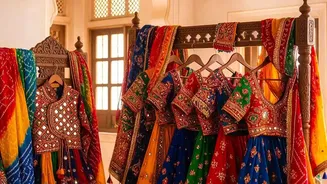
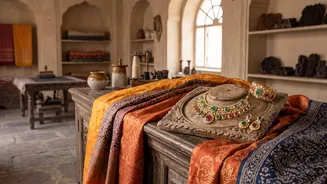
Torans, or decorative door hangings, are a welcoming symbol of Diwali. While fresh flower torans are beautiful, they are perishable. A sustainable alternative is to invest in or create torans from durable materials like fabric, beads, or bamboo. Old silk sarees or colourful dupattas, with their rich embroidery and mirror work, can be repurposed into stunning, one-of-a-kind torans, cushion covers, or table runners. Fabric scraps can be fashioned into decorative tassels or garlands. These fabric-based decorations can be carefully stored and reused for many years, becoming a cherished part of your family's festive traditions while cutting down on recurring waste.
The Broader Impact of Mindful Decorating
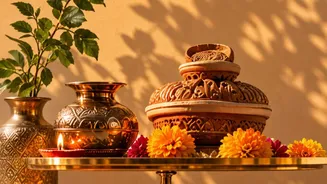
Choosing to upcycle and reuse traditional decor is about more than just reducing waste; it's a celebration of artistry and heritage. By investing in wellmade, handcrafted items from local artisans—such as brass urlis, wooden trays, or handwoven textiles—you support regional craft traditions and local economies. These durable, timeless pieces are designed to be treasured, not tossed. When you mend a toran, repaint a diya, or frame a piece of an old Banarasi saree, you are not just decorating your home. You are actively participating in a culture of preservation and respect for both the environment and the skilled hands that create these beautiful objects, making your Diwali celebrations truly meaningful.