






The Snack Aisle Gets a Makeover
For years, the post-workout snack was a predictable affair. It often involved a chalky protein shake or a bar with an ingredient list longer than a pharmacy receipt. These products promised muscle repair and energy renewal through isolated soy protein,
whey concentrates, and a cocktail of artificial sweeteners. But a growing contingent of health-conscious consumers, particularly younger Americans who prioritize transparency and whole foods, is looking for fuel that feels less like a science experiment and more like actual food. This quest has led them to the world of ancient grains, and right now, millet is having a major moment. It represents a pivot from high-tech, processed fuel to nutrient-dense, slow-release energy that aligns with a more holistic view of wellness.
So, What Exactly Is Millet?
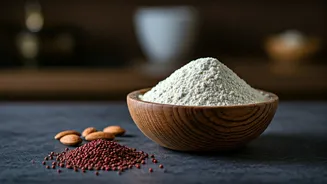
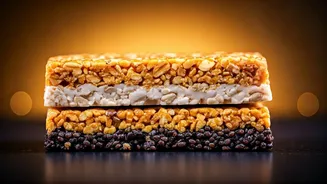
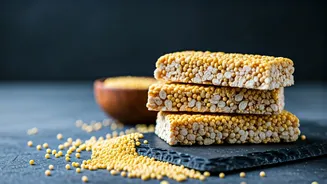
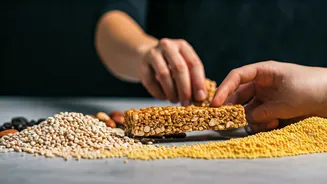
Despite its trendy resurgence, millet is anything but new. It's a group of small-seeded grasses that have been cultivated for over 7,000 years, serving as a staple food across Asia and Africa long before quinoa entered the American vocabulary. Often mistaken for a single type of grain, millet is a category that includes varieties like pearl, foxtail, and proso. It's naturally gluten-free, making it an easy choice for those with sensitivities. In the U.S., it was historically relegated to birdseed, but chefs and nutritionists are rediscovering its versatility and mild, nutty flavor. It can be cooked into a fluffy side dish like rice, a creamy porridge like oats, or ground into flour for baking. Its latest and most convenient incarnation? The humble, portable snack bar.
The Nutritional Punch for Active Bodies
The reason millet is catching on with the fitness crowd comes down to its impressive nutritional profile. Unlike sugary, simple-carb snacks that lead to a quick spike and crash, millet is a complex carbohydrate. This means it digests more slowly, providing a sustained release of energy that’s perfect for either pre-workout fuel or post-workout recovery. It’s also a good source of plant-based protein and fiber, which helps with satiety, keeping you feeling full and satisfied longer. Furthermore, millet is rich in essential minerals that active bodies crave. It’s packed with magnesium, which plays a crucial role in muscle function and energy production, and phosphorus, which is vital for bone health and repairing tissues after a tough workout. It's the kind of balanced, functional nutrition that supports performance without the jitters or crashes.
A Word of Caution: Read the Label
As with any health trend, the devil is in the details. The word “millet” on a package doesn’t automatically make a snack bar healthy. Many brands, eager to capitalize on the ancient grain craze, may still load their products with added sugars, syrups, and unhealthy fats to improve taste and shelf life. A so-called “healthy” millet bar can be a candy bar in disguise if it’s bound together with brown rice syrup and coated in a sugary yogurt glaze. The savvy consumer—the kind driving this trend—knows to flip the package over. Look for a short, recognizable ingredient list. Puffed millet, nuts, seeds, and dried fruit should be at the top. Be skeptical of bars where sugar, or one of its many aliases (like agave nectar, tapioca syrup, or cane juice), is a primary ingredient. The goal is minimally processed, not cleverly disguised junk food.
More Than a Grain, It's a Mindset
Ultimately, the move toward millet bars isn't just about a single ingredient; it’s about a broader philosophical shift in how we approach food and fitness. It signals a fatigue with the hyper-optimized, bio-hacking culture of the last decade and a return to simpler, more intuitive eating. Young consumers are increasingly demanding transparency from food companies and are drawn to brands with a story that revolves around sustainability and natural ingredients. Choosing a millet bar over a traditional protein bar is a small act of rebellion against the idea that performance fuel must be engineered in a lab. It’s a vote for agriculture over chemistry, for whole foods over fractionated ingredients, and for a type of wellness that feels both ancient and refreshingly modern.