



The Post-Pandemic Plant Boom
It began as a way to pass the time during lockdowns. Confined to our homes, many of us in India began looking for ways to bring the outdoors in. What started as a simple distraction quickly blossomed into a national passion. Nurseries, both local and
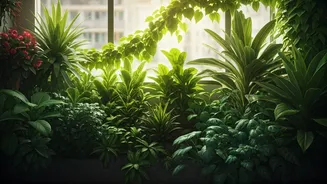
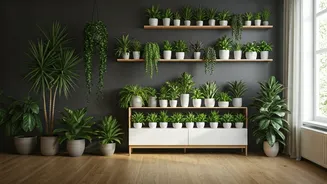
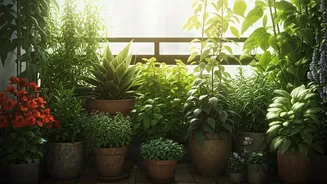
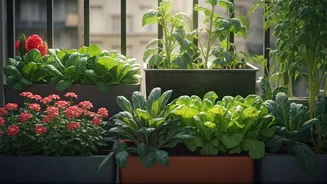
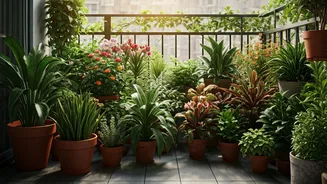
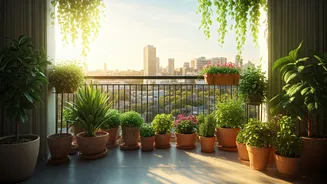
online, reported an unprecedented surge in demand for everything from flowering plants and decorative ferns to vegetable seeds and potting soil. This wasn't just a fleeting trend; it was a fundamental shift in how we relate to our living spaces. The home was no longer just a place to sleep, but a sanctuary to be nurtured. This ‘plantdemic’ turned balconies in Mumbai, windowsills in Delhi, and terraces in Bengaluru into miniature green oases, sparking a movement that has continued to grow long after restrictions have lifted.
More Than Just a Pretty Leaf
The appeal of gardening goes far deeper than aesthetics. At its core, this hobby is a powerful tool for wellness. The simple, repetitive acts of watering, pruning, and tending to a plant can be incredibly meditative, offering a welcome respite from the constant digital chatter of modern life. Numerous studies have linked gardening with reduced levels of stress and anxiety. The act of nurturing something and watching it grow provides a profound sense of purpose and accomplishment. In a world of instant gratification, a plant teaches patience. It doesn't grow overnight. This slow, tangible progress offers a grounding counterpoint to our fast-paced lives, improving mood and providing a quiet sense of stability when it's needed most.
The Rise of the 'Plant Parent'
This green wave is also being propelled by a vibrant online community. On platforms like Instagram, a new identity has emerged: the 'plant parent'. Millennials and Gen Z are proudly showcasing their 'plant babies', sharing tips on care, and trading advice on everything from pest control to the best sunlight exposure. Hashtags like #plantsofinstagram and #urbanjungle are filled with millions of posts from Indian users, creating a sense of shared enthusiasm and belonging. This digital community demystifies gardening, making it accessible even for those with no prior experience. Newcomers can find tutorials, ask for help identifying a wilting leaf, and celebrate the victory of a new shoot. This social aspect has transformed a solitary hobby into a connected, cultural phenomenon.
A Sustainable Slice of Home
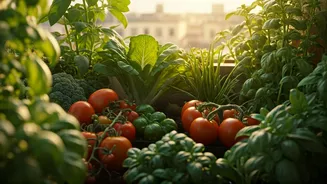
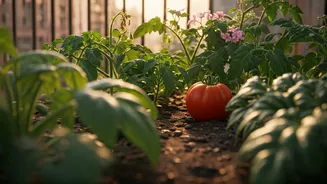
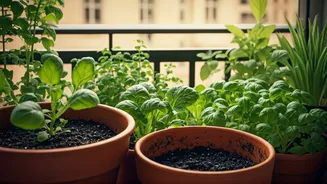
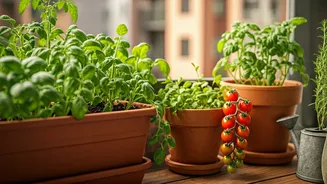
Beyond personal wellness, the gardening boom taps into a growing desire for sustainability. Even a small balcony garden can become a source of fresh, organic produce. Growing your own herbs like dhaniya, pudina, and curry leaves, or simple vegetables like tomatoes and chillies, reduces reliance on store-bought produce, cuts down on food miles, and eliminates plastic packaging. It fosters a deeper appreciation for where our food comes from. For those living in dense urban environments, cultivating plants also serves as a vital connection to the natural world. It’s a small but meaningful way to improve air quality, support local biodiversity (like bees and butterflies), and take a tangible step towards a greener lifestyle.
Getting Your Hands Dirty
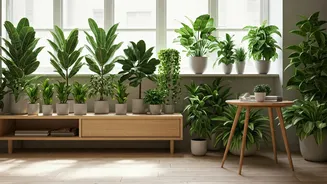
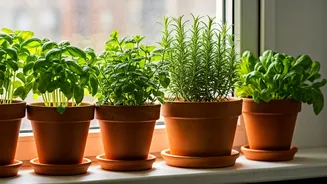
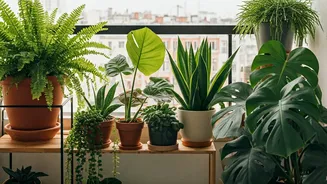
The beauty of this hobby is its low barrier to entry. You don’t need a sprawling garden to start. A few pots on a windowsill are enough. For beginners in India, hardy and low-maintenance plants are a great starting point. The ubiquitous money plant (Epipremnum aureum), the air-purifying snake plant (Dracaena trifasciata), and the resilient ZZ plant (Zamioculcas zamiifolia) are famously difficult to kill and thrive in a variety of indoor conditions. The holy basil, or Tulsi, is another staple, valued for both its cultural significance and practical uses. With countless online resources, local nurseries eager to offer advice, and a welcoming community, starting your own green journey has never been easier.