



The Galaxy's Most Valuable Resource
Water is the currency of space exploration. Finding it on the Moon is not just about quenching the thirst of future astronauts; it is about creating a launchpad to the solar system. Water (H2O) can be split into its core components: oxygen for breathable
air and hydrogen for powerful rocket propellant. This process, known as in-situ resource utilization (ISRU), means future missions could refuel on the Moon instead of hauling every drop from Earth, drastically reducing the cost and complexity of deep space travel. By harvesting lunar water, a permanent human presence on the Moon shifts from science fiction to a tangible engineering goal, and ISRO is positioning India at the forefront of this new frontier.
The Challenge of the Shadowlands
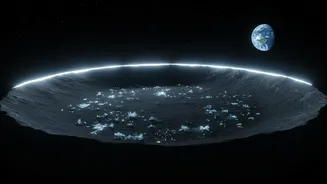
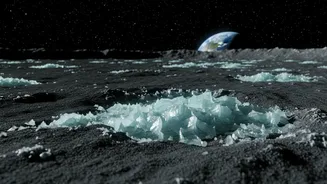
The most promising reserves of lunar water are found in the form of ice, locked within Permanently Shadowed Regions (PSRs) near the poles. These are craters where the sun never shines, creating some of the coldest spots in our solar system, with temperatures plunging below -200 degrees Celsius. This extreme cold preserves the ice but presents immense challenges. Probes must operate in total darkness, survive temperatures that can make steel brittle, and generate enough power to function far from the sun's rays. Furthermore, the ice is not a solid sheet but is likely mixed with lunar soil, or regolith, like tiny ice grains in a sea of dust, making extraction a complex task.
ISRO’s Blueprint for Extraction
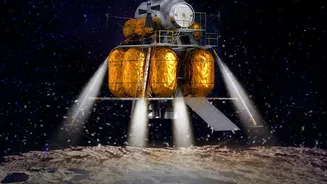
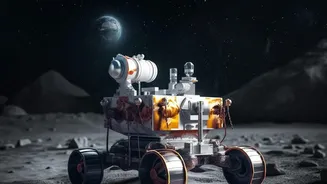
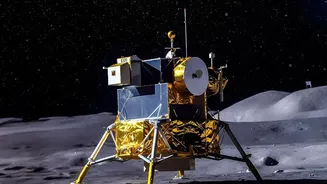
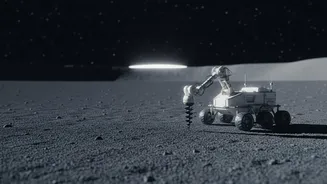
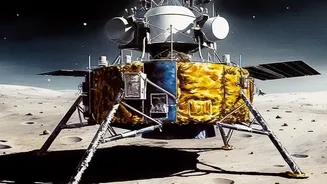
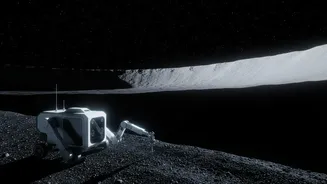
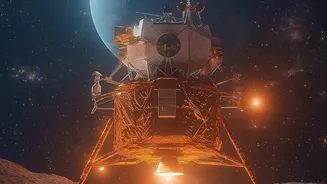
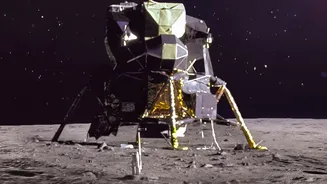
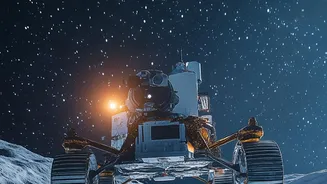
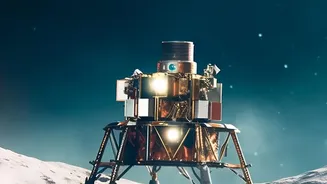
ISRO's strategy revolves around a series of advanced robotic missions, most notably the Lunar Polar Exploration Mission (LUPEX), a joint venture with the Japan Aerospace Exploration Agency (JAXA). Scheduled to launch no earlier than 2028, this mission will feature an ISRO-developed lander that will deliver a sophisticated JAXA-built rover to a polar region. This 350-kg rover is designed to endure lunar nights and is equipped with a drill capable of extracting samples from up to 1.5 meters below the surface. Instruments from ISRO, NASA, and ESA will be on board to analyze the composition of the soil and hunt for water ice deposits. This mission is a crucial reconnaissance step, mapping out where the most valuable resources are located.
From Icy Dust to Liquid Gold
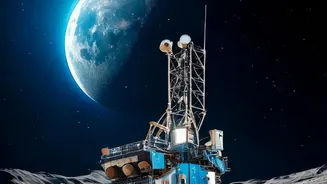
Once a promising deposit is identified, the real work begins. The most common proposed method involves excavating the icy regolith and heating it. A rover would drill or scoop the soil and transfer it to a processing unit. There, using focused solar energy or microwave heating, the material would be warmed inside a contained chamber. As the temperature rises, the ice turns directly into vapor—a process called sublimation. This water vapor is then captured and channeled into a condenser, where it cools and freezes into pure solid ice or condenses into liquid water. From there, an electrolysis plant, powered by solar panels, can split the water into hydrogen and oxygen. These can be stored as cryogenic liquids, ready to power rockets or life support systems.
Beyond LUPEX: A Lunar Future
LUPEX is considered a precursor to even more ambitious projects. The data it collects on the quantity and quality of lunar water will inform future ISRU demonstration missions. Building on the success of Chandrayaan-3 and the plans for the Chandrayaan-4 sample return mission, India is methodically building its capacity for long-term lunar operations. Successfully mining lunar water would not only solidify ISRO's status as a top-tier space agency but also provide India with a critical role in the burgeoning cislunar economy. It paves the way for a sustainable human presence, with the Moon serving as a vital outpost and refueling station for missions to Mars and beyond.